

Can a high pressure compressor be used for glass manufacturing applications?
In the realm of glass manufacturing, precision, quality, and efficiency are of utmost importance. The process involves various stages, from melting raw materials to shaping and finishing the glass products. Each step requires specific equipment and conditions to ensure the desired outcome. One such crucial piece of equipment that often comes into question is the high pressure compressor. As a high pressure compressor supplier, I am here to delve into the feasibility and benefits of using high pressure compressors in glass manufacturing applications.
Understanding the Glass Manufacturing Process
Before we explore the role of high pressure compressors, let's briefly understand the glass manufacturing process. The process typically begins with the melting of raw materials such as sand, soda ash, and limestone in a furnace at high temperatures. Once the raw materials are melted, the molten glass is shaped into the desired form using various techniques such as blowing, pressing, or rolling. After shaping, the glass is annealed to relieve internal stresses and improve its strength and durability. Finally, the glass is finished by cutting, polishing, and coating to achieve the desired appearance and functionality.
The Role of Compressed Air in Glass Manufacturing
Compressed air plays a vital role in several stages of the glass manufacturing process. It is used for a variety of applications, including:

- Blowing and Shaping: Compressed air is used to blow the molten glass into the desired shape. This is commonly done using blowpipes or molds. The high pressure and controlled flow of compressed air ensure that the glass is shaped accurately and efficiently.
- Cooling and Quenching: Compressed air is used to cool and quench the glass after it has been shaped. This helps to reduce the temperature of the glass quickly and prevent it from cracking or warping.
- Cleaning and Maintenance: Compressed air is used to clean the glass manufacturing equipment and remove any debris or contaminants. It is also used for maintenance purposes, such as lubricating moving parts and preventing corrosion.
- Automation and Control: Compressed air is used to power pneumatic actuators and control systems in the glass manufacturing process. This allows for precise control of the equipment and ensures consistent quality and performance.
High Pressure Compressors for Glass Manufacturing
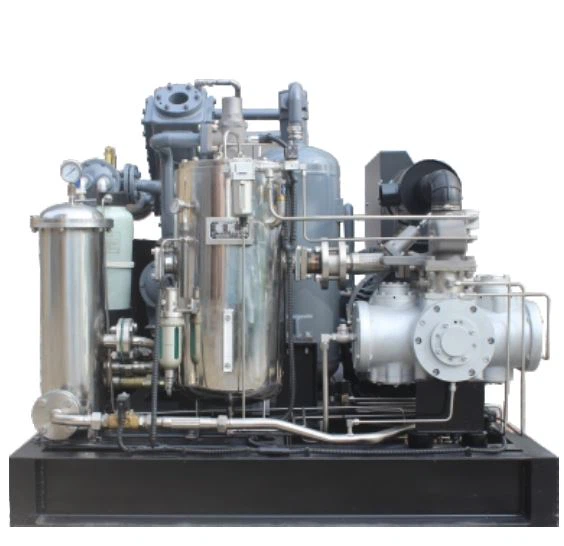
High pressure compressors are specifically designed to generate compressed air at high pressures, typically ranging from 10 to 100 bar or more. These compressors are capable of delivering a continuous supply of high-pressure air, which is essential for many glass manufacturing applications. There are several types of high pressure compressors available, each with its own advantages and disadvantages. Some of the commonly used high pressure compressors in glass manufacturing include:
- Oil-less Booster Compressor: Oil-less Booster Compressor are ideal for applications where oil-free compressed air is required. These compressors use a non-lubricated piston or diaphragm to compress the air, eliminating the risk of oil contamination. Oil-less booster compressors are commonly used in glass manufacturing processes where the glass products need to be free from oil residues, such as in the production of optical lenses and display panels.
- Screw Piston Booster Compressor: Screw Piston Booster Compressor combine the advantages of screw compressors and piston compressors to provide high-pressure compressed air with high efficiency and reliability. These compressors use a screw compressor to pre-compress the air and a piston compressor to further boost the pressure. Screw piston booster compressors are commonly used in glass manufacturing processes where high-pressure air is required for blowing and shaping the glass.
- 20 – 40 Bar Oil Free Piston Compressors: 20 – 40 Bar Oil Free Piston Compressors are designed to provide high-pressure compressed air at pressures ranging from 20 to 40 bar. These compressors use a piston to compress the air and are typically oil-free to prevent oil contamination. 20 – 40 bar oil free piston compressors are commonly used in glass manufacturing processes where high-pressure air is required for cleaning, maintenance, and automation.
Benefits of Using High Pressure Compressors in Glass Manufacturing
Using high pressure compressors in glass manufacturing offers several benefits, including:
- Improved Efficiency: High pressure compressors are capable of delivering a continuous supply of high-pressure air, which allows for faster and more efficient glass manufacturing processes. This can result in increased productivity and reduced production costs.
- Enhanced Quality: The high pressure and controlled flow of compressed air provided by high pressure compressors ensure that the glass is shaped accurately and efficiently, resulting in improved quality and consistency of the glass products.
- Reduced Maintenance: High pressure compressors are designed to be reliable and durable, requiring minimal maintenance. This can reduce downtime and maintenance costs, ensuring continuous operation of the glass manufacturing process.
- Oil-Free Operation: Many high pressure compressors used in glass manufacturing are oil-free, which eliminates the risk of oil contamination and ensures that the glass products are free from oil residues. This is particularly important in applications where the glass products need to be clean and pure, such as in the production of optical lenses and display panels.
- Energy Efficiency: High pressure compressors are designed to be energy-efficient, consuming less power compared to other types of compressors. This can result in significant energy savings and reduced operating costs.
Considerations for Using High Pressure Compressors in Glass Manufacturing
While high pressure compressors offer several benefits for glass manufacturing applications, there are also some considerations that need to be taken into account, including:
- Pressure and Flow Requirements: The pressure and flow requirements of the glass manufacturing process need to be carefully considered when selecting a high pressure compressor. The compressor should be able to deliver the required pressure and flow rate consistently and reliably.
- Air Quality: The quality of the compressed air is crucial in glass manufacturing applications. The compressor should be able to provide clean, dry, and oil-free compressed air to prevent contamination of the glass products.
- Noise and Vibration: High pressure compressors can generate noise and vibration during operation. This can be a concern in glass manufacturing facilities, where a quiet and stable environment is required. The compressor should be installed in a location that minimizes noise and vibration, or appropriate noise and vibration reduction measures should be taken.
- Maintenance and Service: High pressure compressors require regular maintenance and service to ensure their reliable operation. The compressor supplier should provide comprehensive maintenance and service support, including spare parts availability and technical assistance.
- Cost: The cost of the high pressure compressor and its installation, operation, and maintenance should be carefully considered. The compressor should be selected based on its performance, reliability, and cost-effectiveness.
Conclusion
In conclusion, high pressure compressors can be effectively used for glass manufacturing applications. They play a crucial role in several stages of the glass manufacturing process, including blowing and shaping, cooling and quenching, cleaning and maintenance, and automation and control. Using high pressure compressors offers several benefits, including improved efficiency, enhanced quality, reduced maintenance, oil-free operation, and energy efficiency. However, it is important to carefully consider the pressure and flow requirements, air quality, noise and vibration, maintenance and service, and cost when selecting a high pressure compressor for glass manufacturing applications.
As a high pressure compressor supplier, we offer a wide range of high pressure compressors suitable for glass manufacturing applications. Our Oil-less Booster Compressor, Screw Piston Booster Compressor, and 20 – 40 Bar Oil Free Piston Compressors are designed to provide high-pressure compressed air with high efficiency and reliability. We also provide comprehensive maintenance and service support to ensure the smooth operation of your glass manufacturing process.
If you are interested in learning more about our high pressure compressors for glass manufacturing applications or would like to discuss your specific requirements, please contact us. We would be happy to assist you in selecting the right compressor for your needs and providing you with a competitive quote.
References
- ASHRAE Handbook of Fundamentals. American Society of Heating, Refrigerating and Air-Conditioning Engineers.
- Compressed Air and Gas Handbook. Ingersoll Rand.
- Glass Manufacturing Technology. John Wiley & Sons.