

Water Cooled Chiller
Why Choose Us?
Rich Experience
One of more than 10 years profession supplier of refrigeration equipment and air compressor, Our products are widely used in different industries,perfect performance especially for plestic PET bottles.
Reliable Product Quality
We have advanced management experience,design,raw materials purchase, production flow and quality control to provide customers with guaranteed high-quality products.
Excellent Customer Service
Pre-sale service for free, product consulting, designing scheme. On-purcahse service Patiently, update production scheule, pacakge, shipping etc. After sales service timely, feedback within 24hours, provide solution ASAP.
Wide Range of Applications
Our chillers and air compressor are widely used in field of plastic, electroplating, leather, medicine, chemical, shoes, printing, fungus mushroom production environment project, agricultural cultivation, etc.
What is Water Cooled Chiller?
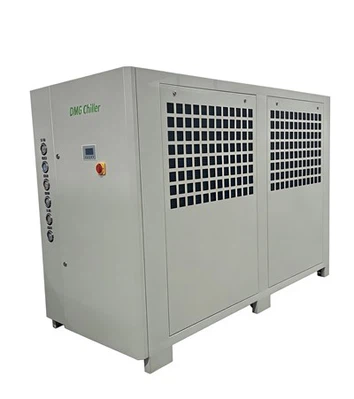
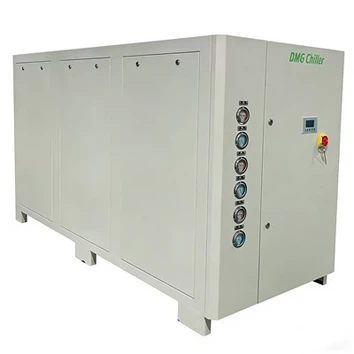
A water-cooled chiller is a type of cooling system that uses water as a refrigerant to cool down a building or a process. Unlike air-cooled chillers that use air to dissipate heat, water-cooled chillers use water to transfer heat away from the building or process. These chillers are commonly used in large commercial and industrial applications where the cooling demand is high.


Advantages of Water Cooled Chiller
Great Lifespan
First and foremost – water-cooled chillers are extremely durable and dependable, and they can last for a very long time. These units are located indoors and are not exposed to the elements. This means that you are not likely to receive any significant breakages and setbacks during your rental period, allowing you to focus your attention on the more important aspects of your operations.
Very Quiet Operations
Water-cooled chillers are extremely quiet during normal operations. The flow of water throughout the system creates far less noise than air. This results in reduced noise levels of water-cooled chillers. Quiet operation is paramount for various environments, such as schools and hospitals, where noise can easily disturb the occupants.
No Need for Open Space
Although water-cooled chillers are housed indoors, they do not need a large amount of open space to operate properly. Additionally, because technicians install water-cooled chillers indoors, this solution is ideal for those commercial properties that do not have access to sprawling outdoor areas required to accommodate air-cooled chillers.
Excellent Safety
In water-cooled chiller systems, water is the main refrigerant and there are usually no additions of various potentially harmful chemicals. This absence of artificial refrigerants makes water chillers the safest possible solution for cooling a commercial building or an industrial manufacturing facility.
Cost-Effectiveness
Water-cooled chiller systems use water to provide cooling. However, these systems recirculate the water they use, allowing them to minimize the use of water and provide a cost-effective alternative to air-cooled chillers. Also, they do not require water discharge monitoring and government-related annual permits.
In-Depth Process Control
Modern water-cooled chillers feature sophisticated process optimization controls that allow them to provide maximum cooling capacity at maximum energy efficiency. Also, such features allow these chiller systems to achieve zero downtime, ensuring continual operation at your desired level.
Types of Water Cooled Chiller
Centrifugal Chillers
Efficiency meets elegance in the realm of centrifugal chillers. With their compact design and high cooling capacity, these chillers stand as the pinnacle of water cooled cooling technology. By utilizing rotating impellers to compress refrigerant, centrifugal chillers deliver unmatched performance with finesse and flair.
Reciprocating Chillers
Harnessing the power of pistons and chambers, reciprocating chillers excel at compressing refrigerant to dissipate heat effectively. With a robust design and reliable performance, these chillers offer a tried-and-tested solution for a wide range of cooling applications. Whether it's industrial processes or commercial cooling, reciprocating chillers rise to the occasion with unwavering efficiency.
Scroll Compressor Chillers
Innovation takes center stage with scroll compressor chillers. By employing a unique combination of stationary and rotating spiral plates, these chillers compress refrigerant with unparalleled precision. With their efficient design and seamless operation, scroll compressor chillers offer a versatile solution for cooling challenges of all magnitudes.
Screw Driven Chillers
Small-scale cooling applications find their match in screw-driven chillers. With capacities ranging from 70 to 600 tons, these chillers offer a compact yet powerful solution for cooling needs. Whether it's water cooled or air cooled, screw-driven chillers deliver reliable performance with a focus on efficiency and versatility.
Application of Water Cooled Chiller
Manufacturing Facilities
One of the primary applications of water-cooled chillers is in manufacturing. These chillers help control temperatures during production processes, ensuring product quality and consistency. From food and beverage processing to plastic extrusion, water-cooled chillers play a critical role in maintaining the integrity of goods.
Pharmaceutical Industry
Precision is paramount in pharmaceutical manufacturing, and water-cooled chillers step up to the challenge. They maintain the controlled environments necessary for research, development, and production of medications, ensuring safety and efficacy.
Chemical Plants
Chemical processes often generate excess heat, which can be detrimental to both products and personnel. Water-cooled chillers help mitigate this risk by efficiently removing heat, enabling safer and more efficient chemical manufacturing.
Office Buildings
In commercial buildings, such as offices and hotels, maintaining a comfortable indoor climate is crucial. Water-cooled chillers are at the heart of HVAC (Heating, Ventilation, and Air Conditioning) systems, ensuring that occupants enjoy a cool and comfortable environment year-round.
Data Centers
Data centers are the backbone of the digital age, and they generate a tremendous amount of heat. Water-cooled chillers are instrumental in keeping servers and data storage equipment at optimal operating temperatures, preventing overheating and system failures.
Retail Spaces
Retailers rely on water-cooled chillers to create a pleasant shopping experience. Whether it's keeping perishable goods fresh or providing a comfortable atmosphere for customers, these chillers are essential to the retail industry.

Evaporator
The evaporator is the component that cools the water or other fluid. It is a heat exchanger that transfers heat from the fluid to the refrigerant. The refrigerant absorbs the heat, evaporates, and turns into a gas. The cooled fluid then circulates through the building to provide cooling.
Compressor
The compressor is the heart of the water-cooled chiller. It compresses the refrigerant gas, which increases its temperature and pressure. The high-pressure gas then flows to the condenser.
Condenser
The condenser is a heat exchanger that removes heat from the refrigerant gas. It releases the heat to the surrounding environment, typically through a water-cooled tower or a cooling tower. As the refrigerant cools, it turns back into a liquid and flows to the expansion valve.
Expansion Valve
The expansion valve is a metering device that regulates the flow of refrigerant to the evaporator. It reduces the pressure and temperature of the refrigerant, which allows it to absorb heat from the fluid in the evaporator.
Installation cost
Air cooled chillers are generally installed at a lower cost than water cooled chillers, mainly because there is no requirement for a cooling tower or the condenser water pumps that keep the system circulating.
Life cycle cost
While air cooled chillers have a lower upfront cost, water cooled chillers tend to operate at a lower cost over the long term. This is because air movement via fans requires more energy.
Maintenance costs
Water cooled chillers require more frequent maintenance due to the continuous flow of water causing scale, mineral deposits and corrosion, especially on the cooling tower. In contrast, air cooled chillers require less maintenance but have a shorter lifespan and may require replacement sooner.
Installation size
Smaller chiller systems are typically air cooled for cost reasons, while larger installations are mostly water cooled due to the lower long term operating costs and superior heat transfer properties.
Overall performance
Water cooled chillers provide superior cooling on a square foot basis due to the heat transfer qualities of water compared to air.
Water availability
One important factor to take into account is the availability and cost of water in the local area. If water is scarce or expensive, it may not be practical or economically feasible to use a water cooled chiller, making an air cooled chiller the better option. Whilst this is not typically an issue in the UK, it still needs addressing in the evaluation stage.
Night time ambient temperature
An air cooled chiller may also be a better option in areas where the night time temperatures drop significantly lower than daytime temperatures. This is because an air cooled chiller can take advantage of the cooler conditions to reduce energy consumption and operating costs, and is particularly relevant for applications that require 24 hour operation.
Available space
Air cooled chillers also have an advantage when space is limited or at a premium, since there is no requirement for a water cooling tower or mechanical room. However, they require significantly more space than water cooled chillers to achieve the same capacity, and there are portable water cooled chiller systems available for facilities with space constraints.
Airflow obstruction
Obstruction to continuous airflow will have a severely negative impact on the performance of air cooled chiller units - high walls and other buildings or structures close by could all be an impediment to the airflow required for an air cooled chiller to work properly.
Noise of operation
Due to the frequently running motors and fans, air cooled chiller systems are noisier in operation than water chiller units. This can cause issues, especially in densely populated residential areas.
How Does a Water Cooled Chiller Work?
The first step in chiller operation
The starting point of this cycle is where the water in the production process enters the evaporator to enter the chiller cycle. In this part of the cycle, the heat absorbed by the refrigerant first shows itself in the form of a liquid-to-gas phase change. As the refrigerant absorbs the heat of the water, the environment in contact with this part drops in temperature, so the water leaves at a lower temperature. This water enters the fan coils and brings cold air to the desired spaces.
Second stage
The gas refrigerant, which had reached the gas phase in the pre-liquid state, then enters the compressor. In the compressor, the gas condenses and the temperature and pressure increase so that it can enter the next stage with high pressure. This increase in pressure and temperature as it exits the compressor is important because the refrigerant needs to release heat from inside the condenser, so it must carry enough heat to the condenser.
Third level
The third step takes place inside the condenser. High-temperature gas enters the condenser. In the condenser, the gas refrigerant is converted to a high-pressure liquid that is saturated. This is a constant pressure process. On the other hand, since the condenser is present in another cycle between the cooling towers, water enters the cooling tower after the temperature rises for the water. Because cooling towers in water-cooled chillers have the main task of cooling the consumed water and the condenser uses this water as its driving material.
The fourth and final step
The expansion valve is the last stage that the refrigerant goes through. This milk, as its name implies, expands and reduces the refrigerant. These processes that take place on the refrigerant in the expansion valve cause the refrigerant to become a mixture of liquid and gas. Eventually, the same compound re-enters the evaporator to resume the cycle with hot water re-entering the evaporator from another direction.
Saving Money with Water Cooled Chillers – What to Know
Industrial water-cooled chillers help to maintain a consistent temperature in various industrial applications by removing heat from process water. Keep in mind that chillers aren't cooling the equipment; they're simply transferring heat! They are used in a wide range of industrial processes, including food and beverage, machine cooling, medical & pharmaceutical, plastics, and printing.
These chillers work to move unusable heat from one place to another in your process to protect the integrity of equipment, quality of end products, and applications. They are designed to cool water to a specific temperature, which is required for various industrial processes.
Water-cooled chillers are more energy-efficient than air-cooled chillers because they use water as a cooling source. With water being a better conductor of heat than air, it requires less energy to cool the same amount of heat. Water-cooled chillers also operate at lower temperatures, which further reduces energy consumption. This results in lower energy bills and long-term cost savings.
A chiller saves water and associated costs by recirculating and re-using the plant's own water supply. The cost of cooling water can add up quickly, especially with continuously running equipment. When a chiller is added into the system, it can bypass the costs and need for a monitored, municipal water supply and wastewater discharge which can contribute to substantial savings within productions budgets. With the latest developments in technology, capital investment payback can be achieved rather quickly over the course of the equipment lifetime.
Water-cooled chillers also require less maintenance than air-cooled chillers, this is because water is a cleaner and more efficient cooling source than air. These chillers also have longer lifespans because they operate at a lower temperature, which reduces wear and tear on the machine's components.
Using a water-cooled chiller can save your business money in several ways, including reduced energy consumption, lower maintenance costs, longer lifespan, and improved environmental performance. If you are considering a chiller for your facility, consider asking an expert about the benefits of a water-cooled chiller today!
Features of Water Cooled Chillers
Water cooled chillers are the epitome of precision cooling technology. With the ability to regulate temperatures with utmost accuracy, these marvels of engineering ensure that your cooling processes remain consistent and efficient. Whether it's a small-scale operation or an industrial powerhouse, water cooled chillers deliver unparalleled precision to meet your cooling needs.
From petite 20-ton models to colossal thousand-ton behemoths, water cooled chillers come in a wide array of capacities to suit every requirement. Whether you're cooling a small office space or an entire shopping mall, there's a water cooled chiller perfectly tailored to your needs. Embrace the versatility of water cooled chillers and never compromise on cooling capacity again.
At the heart of every water cooled chiller lies the art of heat dissipation. By harnessing the power of circulating condenser water cooled in cooling towers, these chillers excel at dissipating heat with unparalleled efficiency. Say goodbye to overheating woes and hello to uninterrupted cooling performance with water cooled chillers leading the charge.
One size does not fit all, and water cooled chillers understand this implicitly. With the ability to adjust condensing temperatures based on water temperature and flow rate, these chillers offer customizable temperature control to suit your specific needs. Whether it's precise cooling for sensitive equipment or maintaining optimal conditions for industrial processes, water cooled chillers provide tailored solutions for every scenario.
The Role of Water Treatment in Maximizing the Lifespan of Water Cooled Chillers
Corrosion Prevention
Corrosion caused by untreated water can damage chiller components, leading to reduced efficiency and frequent breakdowns. Implementing water treatment measures such as corrosion inhibitors helps protect the chiller's internal surfaces from corrosion, prolonging its lifespan.
Scale and Deposits Control
Untreated water often contains minerals and impurities that can form scale and deposits on chiller tubes and heat exchangers. Proper water treatment, including the use of scale inhibitors and regular cleaning, prevents the accumulation of scale, ensuring efficient heat transfer and reducing the risk of equipment failure.
Microbial Growth Prevention
Stagnant or untreated water provides an ideal environment for microbial growth, including bacteria, algae, and fungi. Effective water treatment methods like biocides and disinfection prevent microbial contamination, safeguarding the chiller against fouling and deterioration.
Filtration
Installing appropriate filters removes suspended solids and particulate matter from the water supply, preventing clogging and protecting chiller components.
Chemical Treatment
Corrosion inhibitors, scale inhibitors, and biocides are commonly used chemicals in water treatment for chillers. Regular monitoring and adjustment of chemical dosing ensure optimal protection against corrosion, scale formation, and microbial growth.
Water Testing and Analysis
Regular water testing helps identify any imbalances or contaminants in the chiller system. Conducting comprehensive water analysis allows for tailored treatment solutions to maintain water quality within recommended parameters.

Factors to Consider When Choosing a Water Cooled Chiller
Required Cooling Capacity
To choose a water cooled chiller that can fulfill the particular requirements of the application, it is crucial to ascertain the required cooling capacity. The quantity of heat that the chiller can remove from the system in a given amount of time is referred to as cooling capacity. British thermal units per hour (BTU/hr) or kilowatts (kW) are used to measure it. It will be easier to choose a chiller with the right cooling capacity if you are aware of the heat load of the process or equipment that has to be cooled.
Desired Temperature Range
Another crucial aspect to take into account is the required temperature range. Processes or equipment can be cooled to a precise degree using water cooled chillers. While some applications may only need modest cooling, others may need extremely low temperatures. It's crucial to pick a chiller that can consistently achieve and maintain the necessary temperature range.
Environmental Considerations
The water cooled chiller's performance and lifespan greatly depend on the environment in which it will be used. It is necessary to assess elements including ventilation, humidity, and ambient temperature. The chiller should have sufficient cooling capability to make up for the higher ambient temperatures if it will be used in a hot area. Similarly, filters or additional maintenance may be necessary for environments that are prone to dust or other impurities to prevent clogging and preserve optimal performance.
Budget
A significant aspect that must not be ignored is the budget allocated for the water cooled chiller's acquisition and continuing maintenance. Depending on their cooling capacity, features, and brand reputation, chillers fluctuate widely in price. It's crucial to establish a balance between the budget and the application's specific requirements. Although purchasing a high-quality chiller from a reputed manufacturer may cost more upfront, greater energy efficiency and dependability can result in long-term cost benefits.
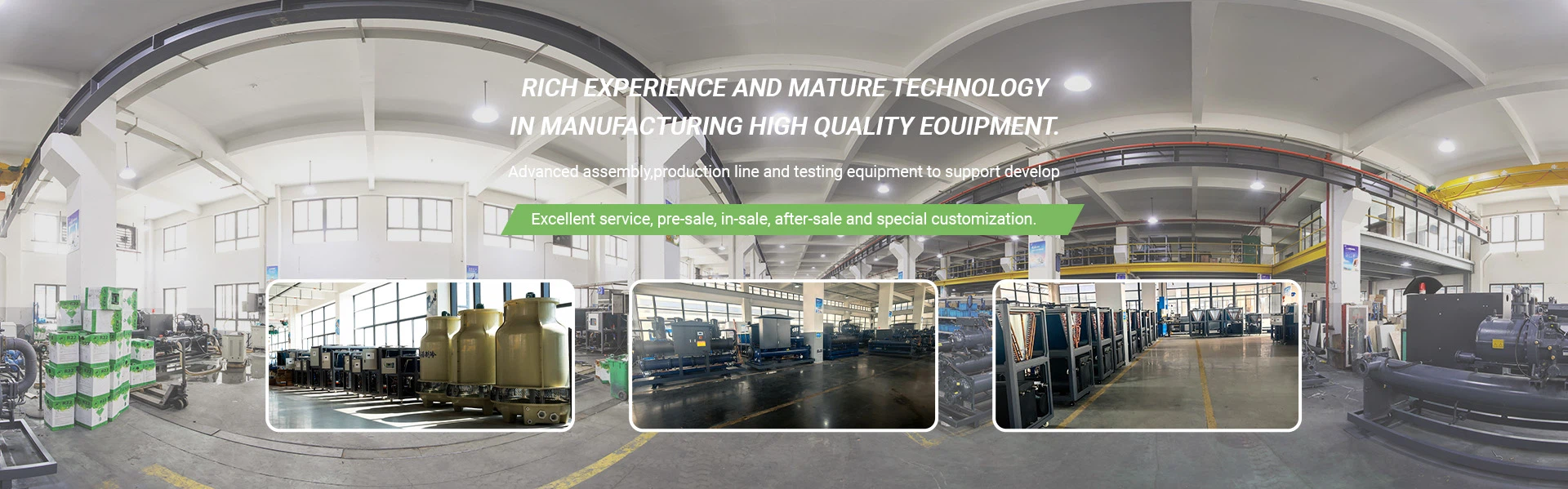
Our Factory
WENZHOU DMG MACHINERY Co., Ltd manily manufacture and export refrigeration equipment and air compressor with good reputation, Our customers are located all over the world including China, Southeast Asia, Middle East, USA, Europe as well as Africa and South America.

Ultimate FAQ Guide to Water Cooled Chiller
We're known as one of the most professional water cooled chiller manufacturers and suppliers in China. Please be free to buy customized water cooled chiller at competitive price from our factory. Contact us for more details.
water cooled chiller installation manual, water cooled chiller for warehouse, versatile water cooled chiller