

Air Dryer
Why Choose Us?
Rich Experience
One of more than 10 years profession supplier of refrigeration equipment and air compressor, Our products are widely used in different industries,perfect performance especially for plestic PET bottles.
Reliable Product Quality
We have advanced management experience,design,raw materials purchase, production flow and quality control to provide customers with guaranteed high-quality products.
Excellent Customer Service
Pre-sale service for free, product consulting, designing scheme. On-purcahse service Patiently, update production scheule, pacakge, shipping etc. After sales service timely, feedback within 24hours, provide solution ASAP.
Wide Range of Applications
Our chillers and air compressor are widely used in field of plastic, electroplating, leather, medicine, chemical, shoes, printing, fungus mushroom production environment project, agricultural cultivation, etc.
What is Air Dryer?
An air dryer is a system or piece of equipment that is used to remove moisture present in the air, particularly compressed air. Ambient air typically has a relative humidity of around 30 to 50%. Compressing air packs higher quantities of moisture in a small volume. This increases the relative humidity to 100% while the excess moisture that cannot be held condenses.


Advantages of Air Dryer
Prevents freezing
If vapor condenses into water, the water can freeze in the face of low temperatures. Freezing can lead to jams in moving components. It can also accumulate on process lines and interfere with process or product fluid movement.
Removes contamination
Contamination is a serious danger for industries using high-purity compressed air. Areas like plasma generation, food and pharmaceutical products manufacturing, laser cutting and welding, painting, coating and shot blasting all require pure compressed air to function. If water builds up, efficiency decreases, productivity slows or products get damaged.
Halts water buildup
Water will build up in small pockets within downstream equipment without moisture removal. Too much buildup can cause sensitive equipment to perform inaccurately, harming production quality and output.
Reduces microbial growth
The pharmaceutical and food and beverage industries use compressed air to mix and convey product. Water is prone to bacteria growth, and any water in your condensed air system can quickly lead to food and beverage spoilage or contamination. Additionally, small amounts of microbes in pharmaceutical plant products can result in entire batches being thrown out to avoid health risks.
Improves efficiency
If your facility uses air-powered equipment and tools powered by energy from compressed air systems, water will reduce its efficiency. It can damage internal components and reduce the power delivered, impacting production.
Inhibits corrosion
Water is excellent at corroding steel. Components like pipes, drums, vessels and tanks are typically made from steel and will begin to break down when moisture buildup turns to water and corrosion. When corrosion forms, process and product streams can quickly become contaminated.
Types of Air Dryer
Refrigerated Air Dryers
These air dryers are similar to the refrigerators found in our homes and are also most commonly used. It is like a refrigerator because it uses a cooling process in the same way to prevent moisture buildup but the difference is what it is cooling. Household fridges keep fresh food and produce cool while the refrigerated dryer ensures the air in power plants is kept as clean and dry as possible.
Desiccant Dryers
When air compressors intake air to compress, that air gets warmer as compression levels reach 100 pounds per square inch (psi) or higher. As the stream of compressed air cools, it creates vapor and moisture. Desiccant air dryers are one method of combating this moisture by adsorbing and reversing the cycle for applications requiring very dry or sterile air.
Chemical Air Dryers
Chemical air dryers use special chemicals like sodium and lithium that absorb the excess moisture of the compressed air, after which they are discarded together. Using an effective air filtration system with this dryer type is vital to avoid chemical build-up that could damage the dryer.
Membrane Air Dryers
These dryers remove dampness during food production by separating compressed air from gas using semi-porous membranes to filter through. They are energy-efficient since they do not require electricity and operate quietly. They are also more affordable than the other air dryers but constantly need cleaning and removing oil pollutants.
Deliquescent Air Dryers
Deliquescent air compressor dryers have a single tank and also use a desiccant, but they can only provide a PDP of 20-25 degrees Fahrenheit lower than the air temperature entering the dryer. When the compressed air enters the tank, it reacts with the desiccant material to produce a liquid effluent that needs to be drained out of the dryer and disposed of according to hazardous waste regulations.
Piping System Air Dryers
You can plumb your airlines to remove water from your compressed air. By using long lengths of metal piping built into two or more up-and-down patterns, the air is cooled as the piping absorbs the heat. Reacting to gravity, the water drops down to the bottom of the piping system into a ‘drip leg’ or ‘drop leg’ and is trapped by a water trap, a T-fitting and a ball valve.
Application of Air Dryer
Pneumatic tools and machinery
From construction and carpentry to automotive repairs and home improvements, one of the main uses of air dryers is to power pneumatic tools. For example, it is often used to power impact wrenches, nail guns, paint sprayers, and sanders. These tools are favoured for their high torque output, lightweight design, and durability.
Inflation and air pressure
An air dryer is a handy tool for inflating tyres or sports equipment. An air dryer can quickly and accurately inflate to the desired pressure, ensuring optimal performance and playability.
Painting
A professional-quality paint finish requires a consistent and controlled application. To achieve this, paint guns powered by air dryers are widely used in the automotive, woodworking, and furniture industries for spray painting. This is largely because the uniform flow of compressed air results in flawless coatings, less overspray, and improved efficiency.
Cleaning
With the help of an air gun or nozzle attachment, compressed air can dislodge dust and debris from hard-to-reach areas, such as computer keyboards, electronics, workshop machinery, and ventilation systems. This method offers a quicker and more efficient alternative to manual cleaning, maintaining a clean and dust-free environment.
Manufacturing and packaging
Air dryers are used to power pneumatic equipment in factories, such as for product handling and packaging. Compressed air ensures precision and increased productivity and also contributes to quality control by powering testing equipment and sorting systems.
Pharmaceuticals
Air dryers are used to power equipment and testing devices in the pharmaceutical manufacturing process. They facilitate precise ingredient handling, which ensures accurate measurements and consistent formulations. They also drive mixers, guaranteeing uniform distribution of active ingredients.
Food production
Air dryers are essential in the food industry, powering pneumatic systems for ingredient handling, mixing, cleaning, packaging, and quality control. They also facilitate efficient product conveyance, precise blending, and reliable sealing of food packages. Furthermore, they contribute to temperature control in refrigeration systems, ensuring food freshness and preventing spoilage.
Air Dryer Tips
Improve the quality of your intake air
The less polluted your intake air, the less your air compressor and air dryer will have to work to purify it. Contaminants can be liquid, solid or gas, and can enter the air before it’s processed by the machine, or inside the machine itself. There are two steps to minimize this contamination — promoting a clean workspace and introducing a filtration system to your compressed air cycle. If your industry requires heavily regulated air, you might also consider a lubrication-free compression system.
Use a compressed air storage system
Use a compressed air storage tank to store dried, filtered air once it has been compressed. This will help prevent additional moisture from re-entering the air, saving you time, energy and valuable resources.
Schedule preventive maintenance for your air compressor
An efficient air drying system means little if your compressed air machine is not working correctly. Schedule regular preventive maintenance checkups for your compressor and air dryer systems to avoid production setbacks. You should also create and implement a monitoring system that allows you to stay up-to-date on the status of your equipment and the quality of the air being produced. Taking preventive measures like these can alert you to possible concerns and have them adjusted before they turn into costly, more time-consuming repairs later.

How to Reduce the Carbon Emission of Your Air Dryer
Schedule an Air Audit
Your first step to reducing your carbon footprint is to schedule an energy or air audit to check whether you are using your system efficiently. Working with an experienced air audit specialist may help you understand what type of air dryer will work best for your operations and if your current system requires any repairs or maintenance.
Automate Your Monitoring System
A great way to maintain your compressed air system’s efficiency and health is by automating system monitoring. This system will monitor the compressor for any issues, such as a clogged filter, and send an alert to the relevant people. This ensures you know when maintenance is required to keep the compressor in condition for operational efficiency.
Check Filters and Dryers for Clogs
Unable to automate system monitoring? You may benefit from creating a schedule to check your filters and dryers instead. You can examine the various pressure gauges to check for clogs, and doing so will allow your machine to operate at high performance, helping you improve energy savings.
Avoid Draining the Air
Do you have the essential system drains installed? air dryers with zero-loss drains prevent the system from allowing air loss and decreasing efficiency. With these affordable and simple additions, companies can easily improve efficiency and reduce energy costs.
Install the Appropriate Piping
It’s important to install a piping system that can handle the airflow. Pipes made of steel, iron and other ferrous materials can often cause inefficiencies, drag and loss of energy. For example, cast iron pipes may rust over time when interacting with air and debris settling inside the pipes may decrease the space inside the pipe and lead to energy loss. Some equipment may even get contaminated and require frequent servicing. Aluminum piping may be a better solution because it helps reduce energy consumption and friction.
Upgrade to Energy-Efficient Technology
The best thing you can do to reduce carbon emissions is to choose a more energy-efficient air dryer to influence a healthier environment while reducing energy costs. One example of this includes an air dryer with variable speed drive (VSD) technology. This solution offers speed adjustability for less power consumption, superior efficiency and more consistent pressure in larger facilities.
Dew Point
Dew point is the temperature at which moisture condenses from the air. It is important to choose a compressed air dryer that can achieve a dew point low enough for your specific application.
Flow Rate
The flow rate of your compressed air dryer should match the flow rate of your compressor. If the dryer’s flow rate is too low, it will not be able to keep up with the moisture produced by the compressor.
Pressure
The compressed air dryer should be able to handle the pressure of your compressor. If the dryer is not rated for the same pressure as your compressor, it will not be able to effectively remove moisture.
Energy Efficiency
Compressed air dryers can consume a significant amount of energy, so it’s important to choose one that is energy-efficient.
Maintenance
Consider the maintenance required for the compressed air dryer. Some types of dryers, such as desiccant dryers, require more frequent maintenance than others.
Temperature
The compressed air dryer should be able to operate at the temperature range of your application.
Contaminants
It’s important to consider the types of contaminants that may be present in your compressed air. Based on your system, be sure to choose a dryer that can effectively remove them.
Cost
Compressed air dryers can be expensive, so it’s important to consider the cost and make sure it fits within your budget.
Space
Consider the space you have available for the dryer. Some dryers are larger than others and may require more room.
Warranty
Check the warranty offered by the manufacturer, this will ensure you have a reliable and durable product.
Investing in a larger compressor
Upgrade your air dryer to a larger one that can handle the capacity for the needed application, to avoid the pressure build-up that stimulates moisture formation in a small one that can not do the same job. Alternatively, make use of multiple smaller compressors.
Using an effective air filtration system
Using an air filtration system that effectively separates moisture and pollutants from the compressed air is beneficial in keeping your compressor in optimal working condition. Filters should be inspected, cleaned and replaced regularly.
Draining your compressor frequently
Your air dryer houses a draining unit that retains excess moisture and other contaminants. This should be emptied as often as possible to prevent rust, corrosion and moisture from accumulating.
Arranging preventative maintenance inspections
Regular preventative maintenance will ensure your air dryer stays in optimal condition for as long as possible. This is because the technicians can stay on top of any potential issues that may arise before further damage is caused. They can proactively fix the problem without disrupting operations if something is wrong.
Replacing excessively worn or damaged units
Your air dryer will eventually tire and lose effectiveness. This is especially concerning when surplus moisture can not be controlled despite attempts by maintenance technicians. Age and overuse may be good reasons for replacing your air dryer.
Safety Tips for Cleaning and Maintaining an Air Dryer
Receive the proper training
Anyone performing maintenance on an air dryer should have received the appropriate training to ensure they conduct maintenance tasks correctly and safely.
Follow the manufacturer's recommendations
To ensure safety in maintenance and operation, it's important to follow the care and maintenance recommendations of your compressor's manufacturer.
Disconnect power
Before performing maintenance work, shut off the machine and disconnect it from all power sources. Lock open the electrical switch for the compressor and tag it so no one starts it by mistake.
Clean the unit properly
Cleaning your air dryer regularly will improve its performance and extend its life. When it comes to cleaning carbon remnants from the various parts of an air dryer, it's safe to use soapy water or a lye solution, but you should never use anything flammable, such as kerosene. Following every cleaning, completely purge the air system.
Lubricate properly
Don't use oils with low flash points to lubricate compressor parts. These oils could combust due to the high temperatures produced by air dryers during operation. It's essential, however, to keep parts lubricated with the proper oils and to avoid over-lubrication to prevent corrosion.
Take steps to prevent rust
One of the most dangerous possibilities when it comes to air dryers is a rusty tank. Rust increases the unit's chances of combusting, putting anyone nearby in danger. To prevent rust due to the accumulation of liquid, use the underside valve to drain the tank daily. If a tank becomes rusted, don't attempt to repair it. A rusted tank requires replacement.
Handle tools safely
Before you install, remove, fine-tune or perform any kind of maintenance on your pneumatic impact tools or accessory parts, shut off the source of air, bleed the air pressure and disengage the air hose.
Report faulty equipment immediately
If you notice that repair work is needed that goes beyond regular maintenance, tag out the machine so no one uses it. Then, report the issue as quickly as possible so the machine can be repaired.

Shut down your air dryer
Turn off your air dryer, disconnect it from power and bleed any remaining air pressure before doing any troubleshooting or repair work. Make sure that the shutoff valve is always within reach in case something goes wrong during operation.
Follow safety procedures for hose malfunctions
If a hose malfunctions or comes apart at the coupling, you can prevent whipping with two components. One is an air fuse of the proper size, which you should install in the hose upstream. The other is a whip-inhibiting device that is placed along the coupling of a hose. If an air hose does start whipping around uncontrollably or another similar air hose problem occurs, don't try to stop and control it by grabbing the hose. To prevent injury, turn off the air source before touching the hose.
Use reliable parts
If a component becomes damaged or needs to be replaced for any reason, use only reliable, high-quality parts that are the correct size, material and type for your machine. Using the wrong parts or low-quality components can result in decreased air dryer performance, damage to your equipment and safety hazards.
Service Your air dryer System Strategically
Regular maintenance is one key consideration when you service air dryer systems. It is critical to protect your equipment by checking on crucial components and ensuring they can handle the day-to-day workload. When you’re preparing for the cold winter months, having a well-maintained system is essential to protecting your air dryer from damage. We recommend scheduling maintenance and inspections in late spring and late fall to prepare for the summer’s rising heat and the winter’s cold.
Inspect Insulation for Heat Leaks
When you conduct an overall maintenance check bi-annually, be sure to look for heat leaks in your system. If heat can escape from your equipment, it can potentially increase the risk of the systems freezing. Carefully inspect your equipment for any place where critical heat could get out.
Check Weatherstripping for Wear and Tear
To help protect your system, inspect your equipment for wear and tear. If your weatherstripping looks worn or damaged, you should replace it immediately to ensure it has sufficient insulation during the cold months.
Check Tanks for Condensation
During the winter months, your air dryer tanks can accumulate moisture and freeze in cold temperatures. To prevent this operating issue, you’ll want to schedule inspections a few times weekly to ensure your tanks are not experiencing condensation buildup. Monitor your equipment for a sudden increase in moisture, as it may indicate a secondary cause you’ll need to address to protect your system.
Winterize the Condensate Drains and Bowls
Another way to help protect your tanks is to winterize your equipment’s condensate bowls and drains proactively. Ensure your outdoor drains have heat trace tape on any exposed parts of the drain lines to shield them from below-freezing temperatures.
Adjust the Louvers
When heat escapes your air dryer, you can take advantage of louvers to help capture and recirculate it. During the winter, you’ll want to direct the heat toward the compressor to help keep the system warmer. You could also send it to a nearby room to help decrease energy bill costs. If you can’t control your compressor louvers by a thermostat, you can adjust them manually to use heat more effectively.
Try a New Heater Solution
If you cannot preheat lubricant to use with cabinet heaters, you may want to use ambient heaters to maintain a higher lubricant temperature. That way, you can help protect the compressor from motor wear. Whenever you use cabinet or ambient heaters, perform regular inspections to ensure they’re operating correctly and safely.
Use Heat Trace Tape
Along with using heat trace tape to protect exposed areas of your drain line, you can also consider using it in tandem with your indoor heaters. Add heat trace tape that protects exposed pipes and keeps them running correctly without ice buildup.
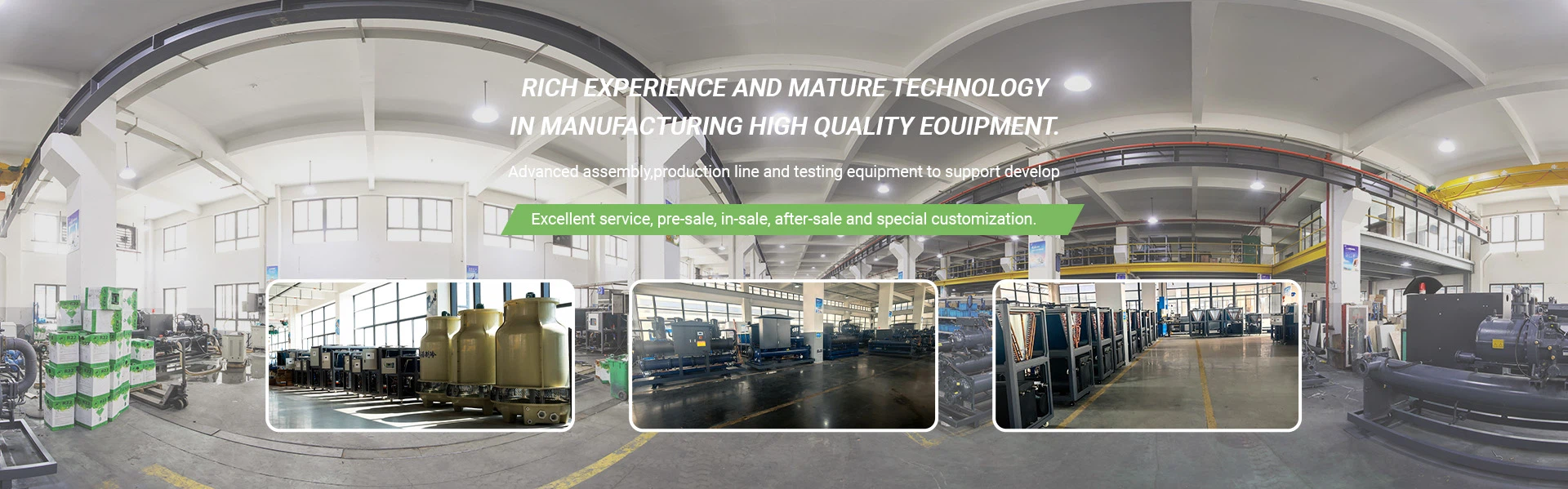
Our Factory
WENZHOU DMG MACHINERY Co., Ltd manily manufacture and export refrigeration equipment and air compressor with good reputation, Our customers are located all over the world including China, Southeast Asia, Middle East, USA, Europe as well as Africa and South America.

Ultimate FAQ Guide to Air Dryer
We're known as one of the most professional air dryer manufacturers and suppliers in China. Please be free to buy customized air dryer at competitive price from our factory. Contact us for more details.
remote controlled air dryer, Medium Pressure Air Purification System, two stage air dryer