

Cooling Tower
Why Choose Us?
Rich Experience
One of more than 10 years profession supplier of refrigeration equipment and air compressor, Our products are widely used in different industries,perfect performance especially for plestic PET bottles.
Reliable Product Quality
We have advanced management experience,design,raw materials purchase, production flow and quality control to provide customers with guaranteed high-quality products.
Excellent Customer Service
Pre-sale service for free, product consulting, designing scheme. On-purcahse service Patiently, update production scheule, pacakge, shipping etc. After sales service timely, feedback within 24hours, provide solution ASAP.
Wide Range of Applications
Our chillers and air compressor are widely used in field of plastic, electroplating, leather, medicine, chemical, shoes, printing, fungus mushroom production environment project, agricultural cultivation, etc.
What is Cooling Tower?
A cooling tower is a device that rejects waste heat to the atmosphere through the cooling of a coolant stream, usually a water stream, to a lower temperature. Cooling towers may either use the evaporation of water to remove heat and cool the working fluid to near the wet-bulb air temperature or, in the case of dry cooling towers, rely solely on air to cool the working fluid to near the dry-bulb air temperature using radiators.


FRP cooling tower
Advantages of Cooling Tower
Efficient system working
Cooling tower used with water treatment system removes all the hazardous chemicals from water and makes it decontaminated. This keeps the cooling tower parts clean and corrosion-free for a longer time, preparing the system to work at more optimum levels.
Less maintenance required
Due to clean and corrosion-free cooling tower parts, the frequency of the requirement of maintaining a cooling tower is reduced, and the maintenance cost is also reduced.
Life of the system extends
The water treatment system used in the cooling tower doesn’t allow the chemicals to deposit, which keeps the system corrosion-free and extends the life of the whole system.
Less energy consumption
With water treatment plants in cooling towers, the water is re-circulated again and again to ensure that the system is clean enough to work at its full capacity and less energy is used to achieve more output.
Saves water
Unfiltered water has a high chemical deposit content that has to be flushed through the rushing water to prevent corrosion in the system. Water lost in this process has to be constantly refilled to keep the system running which can constitute too many gallons of water each year. Using an effective filtration system can reduce the amount of blowdown required in the system and save a huge amount of water in the process.
Types of Cooling Tower
Based on air draft
Cooling towers based on air draft have two types: natural draft cooling tower and mechanical draft cooling tower.
Natural draft cooling tower
It relies on the natural arrangement to circulate air in the tower, which cools the water in the system. The difference in density of the moist air and cool air makes the moist air from the system escalate to the higher level of the tower while the cool air flows to the bottom layer of the tower, which creates a cycle of airflow.
Mechanical draft cooling tower
It uses fans to control the circulation of the air in the tower. Mechanical draft cooling towers are more efficient than natural draft cooling towers but are also more expensive and consume more power than natural draft cooling towers. Mechanical cooling towers can be classified into two types, namely, Induced cooling towers and Forced cooling towers.
Based on airflow pattern
Cooling towers based on airflow pattern have two types: Crossflow and counterflow.
Crossflow cooling tower
Air moves horizontally while the hot water flows in a downward direction in the crossflow cooling tower.
Counterflow cooling tower
Air moves upward, and water flows downward to cool down the air in the counterflow cooling tower.
Application of Cooling Tower
Heating, Ventilation, and Air Conditioning (HVAC)
HVAC is used for comfort cooling of residential and commercial areas. Heat generated from people, equipment (computers, servers, etc.), lighting, solar radiation, and outdoor ambient air is absorbed by the cooling system and rejected to the cooling tower.
Refrigeration
This is for cold storage in the food and beverage industry, pharmaceuticals, air and gas generation, etc. This is similar to an HVAC system where a refrigerating unit absorbs heat from a closed space and rejects that heat to the cooling tower.
Power Generation Plants
Power generation plants use steam as the working fluid. In order to generate power, water is heated to steam by coal, natural gas, or even nuclear radiation. This heat is then converted to mechanical energy. However, some of this heat cannot be converted to energy and must be removed to complete the steam cycle. This is where cooling towers come into play.
Industrial Plant (Oil and Gas, Petrochemicals, etc.)
This is similar to a power plant. Condensers, heat exchangers, and cooling jackets all absorb heat from processes. This heat is then carried by water to be rejected through the cooling tower.
Fill Material
Fill material is a critical component inside the cooling tower. It consists of a network of sheets or tubes designed to increase the surface area for water exposure to the airflow, facilitating efficient heat exchange.
Fans
Fans are used to circulate air through the cooling tower. They play a pivotal role in enhancing the rate of evaporation and, consequently, the cooling efficiency.
Water Basin
The water basin collects the cooled water after it has gone through the fill material. It ensures a constant supply of cooled water for recirculation.
Drift Eliminators
Drift eliminators prevent water droplets from being carried out of the cooling tower along with the air. This helps in conserving water and maintaining environmental compliance.
Pump
A pump is responsible for circulating water from the basin back into the industrial process or equipment. It maintains a continuous flow of cooling water.

How Can Cooling Tower Systems Help Businesses Save Money?
Think of it this way: Cooling tower systems are essential to many businesses, which means looking for efficiencies in operations and products can help impact the bottom line. Water consumption can be a major operating expense, and cooling towers can recycle about 98% of the water used in process cooling or air conditioning. If the unit is made from plastic and uses water instead of air as a cooling method, business owners can anticipate reduced energy costs, little-to-no maintenance, and extended product longevity, compared to older, metal systems.
That's a highly desirable scenario for any business to cut down on costs. Furthermore, many customers appreciate knowing that the businesses and industries that support communities are environmentally conscious and working toward sustainable practices. That may not be a money-saving factor, but it could boost consumer confidence. And that's good for business, too.
As you can see, there's a lot to learn about cooling tower systems. Not only do they perform a function many of us couldn't live without (that's air conditioning, of course), they're highly technological and, yes, cool. Perhaps knowing more about cooling towers will give you a greater appreciation for cool air.

Industrial cooling towerWater-cooled systems are primarily made from three materials: Metal, fiberglass, and plastic. As you know, metal can rust and corrode, and whatever’s inside of it can begin to leak over time. To no surprise, a metal cooling tower only has an average shelf life of up to only 15 years and requires maintenance with epoxy paint, sealants, and more. That maintenance can lead to downtime for your business. This is why metal is now being replaced with better technology. Fiberglass cooling tower manufacturers, although providing a better alternative to metal, are still prone to cracks and wear which can lead to long-term higher maintenance costs.
How Cooling Towers Work
Heat Absorption
Cooling towers receive hot water or fluid from the industrial process, such as a power plant or manufacturing facility. This hot water contains excess heat that needs to be dissipated to prevent equipment overheating.
Water Distribution
The hot water is distributed evenly over the fill material inside the cooling tower. This fill material is designed to maximize the water’s exposure to air, facilitating the cooling process.
Air Circulation
Cooling towers use fans or natural airflow to draw air into the tower. As the hot water flows over the fill material, a portion of it evaporates into the surrounding air. This phase change from liquid to vapor absorbs a significant amount of heat.
Heat Dissipation
As the water loses heat through evaporation, it becomes cooler. The cooled water collects at the bottom of the tower and is returned to the industrial process or equipment for further cooling. This cycle repeats continuously, maintaining the desired temperature.
Commercial cooling towerWith the increasing concerns about meeting green standards and improving ROI on capital equipment expenditures, there are some standards to consider.
A systematic approach to cooling tower greenness will improve sustainability, increase energy efficiency, add water conservation, and create a smaller carbon footprint; all while improving some cost ramifications involved in achieving such green goals. Businesses can save up to 40 percent on energy costs. While conventional cooling towers, often constructed with sheet metal cladding, are environmentally challenging and maintenance intensive, the alternative of using cooling towers with molded seamless plastic is immediately beneficial to both the environment and your bottom line.
Traditional metal towers, which last only a few years in many applications, encounter environmental and economic issues including increased chemical use, higher maintenance costs, replacement costs, and disposal requirements. Engineered HDPE plastic design cooling towers allow the most aggressive water treatment options available. This can allow users to run at higher cycles of concentration, thereby saving make-up water. This can save tens of thousands of gallons of water per year.
These water and chemical savings can be significant and help solve water issues as well as save on operating costs. Cooling towers of this counterflow design also keep water totally enclosed and free from sunlight, thereby lessening the occasion for biological growth, which requires less harsh water treatment chemicals. Get more details here about Delta’s sustainable technology and products.
Type of Cooling Tower
There are two types of cooling towers: wet and dry cooling towers. Wet Cooling Towers employ water and evaporation to reject heat, making them highly efficient yet water-consuming, while Dry Cooling Towers utilize air as a cooling medium, making them environmentally friendly but less efficient thermally.
Size and Capacity
The right cooling tower should match your facility's cooling load. An oversized tower leads to unnecessary costs, while an undersized one may not meet your cooling requirements.
Energy Efficiency
Consider towers with high energy efficiency to minimize operating costs and reduce your carbon footprint.
Maintenance and Durability
Choose a cooling tower that's easy to maintain and built to withstand the environmental conditions of your location.
Cost
Factor in the upfront and long-term operating costs when deciding on a cooling tower.
The Function of Cooling Towers
Delving deeper into their functionality, cooling towers act as heat rejection devices. They extract waste heat from the process fluid (usually water) used in various industrial processes and reject it into the environment, primarily the atmosphere. This process helps to bring down the temperature of the overheated water, thereby cooling it.
This works through the principle of evaporative cooling in the case of wet cooling towers. The hot process water is sprayed over a fill material, providing a large surface area. Air is drawn or blown through this fill, causing a small amount of the water to evaporate, which removes the heat.
In contrast, dry cooling towers work on the principle of convection, where the process fluid flows through a coil or heat exchanger, and the air is blown over the coil, transferring the heat from the fluid to the air.
By performing these functions, cooling towers serve as a critical node in an industry’s process cycle, maintaining optimal working conditions for the machinery, preventing overheating, and promoting efficient industrial functioning. Without them, industries would be at constant risk of operational inefficiencies, potential machinery breakdown, and heightened operational costs.
Maintenance Tips for Cooling Towers
Regular Inspection
Regular visual inspections are vital to identify potential issues early. Look for signs of corrosion, scale buildup, or leaks.
Cleanliness Matters
Clean the cooling tower basin, fill, and drift eliminators regularly. Remove debris, sediment, and biological growth to maintain optimal heat transfer.
Water Quality Control
Monitor and control the quality of water in the system. Implement water treatment programs to prevent scale, corrosion, and microbial growth.
Lubrication
Keep fan motors, bearings, and other moving parts well-lubricated. This reduces friction and extends the lifespan of critical components.
Fan Maintenance
Inspect fan blades for damage or imbalance. Ensure they are clean and properly aligned. Unbalanced fans can lead to vibration issues.
Vibration Analysis
Regularly conduct vibration analysis on the motor, fan, and gearbox. High vibration levels may indicate misalignment or worn-out components.
Motor and Drive Inspection
Check the condition of motors and drives. Loose connections or overheating can lead to motor failure and system shutdown.
Water Treatment Systems
Monitor and maintain water treatment systems such as chemical dosing pumps and filtration units. Ensure they are functioning correctly.
Temperature Control
Regularly check the temperature of the water entering and leaving the tower. Sudden temperature spikes could indicate a problem.
Emergency Procedures
Develop and regularly review emergency procedures for cooling tower shutdowns and restarts to minimize risks during critical situations.
Troubleshooting Steps for Cooling Towers
Inspect Water Flow
Check for blockages or restrictions in water flow, which can lead to reduced cooling efficiency.
Check for Leaks
Inspect the entire system for leaks, including pipes, valves, and the tower itself.
Assess Temperature Fluctuations
Investigate sudden temperature changes, which can indicate issues with water circulation or heat exchange.
Review Motor and Fan Performance
Analyze motor and fan performance data to identify irregularities or overloads.
Monitor Water Chemistry
Test water samples for chemical imbalances, such as high mineral content or pH levels.
Consult Manufacturer Guidelines
Refer to the manufacturer's maintenance and troubleshooting guidelines for specific recommendations.
Why Clean Your Cooling Tower?
Prevent the Growth Of Microorganisms
Microbial growth causes many problems for your system. In warm conditions, bacteria and algae flourish in uncleaned water. Biofilm, a physical film filled with bacteria, can cause micro-biologically inclined corrosion, and these mats of bacteria can also harbor disease-causing microbes, such as Legionella. In addition to the ongoing use of a bio-dispersant to break up this biofilm layer, a cooling tower cleaning can guard your system against these problems.
Decrease Water Treatment Costs
Not cleaning your system regularly will require more regular treatments to keep the water clean. Increasing the number of treatments will cut into your budget by addition of extra costs to maintenance. Skipping cleaning does not save you money, but it will cost you more in fixing damage to the system, ineffective operation, and getting more water treatments.
Prevent Scale Deposits
Cleaning your system and treating the water stops solid minerals from dropping throughout the system. Scale build-up can decrease water flow, impede cooling and make the system less efficient. Scale and corrosion occur through the natural evaporation of the water used in the system. When water evaporates, it leaves behind minerals that are in it as solids. Over time, these solids will rise in volume and sink to the interior surfaces of the cooling towers and system, creating scale and corrosion. Corrosion and scale decline the efficiency of the system, which is why preventing them through water treatment and tower cleaning is so critical.
Cooling Tower Installation: A Guide to Efficient Cooling
Site Preparation and Design
Proper site preparation is vital to support the cooling tower installation. This includes ensuring a stable foundation, adequate space for tower components, and compliance with local safety and environmental regulations. Collaborating with experienced professionals will help in designing a customized cooling tower system that fits the unique requirements of the facility.
Installation Process
The installation process of a cooling tower involves several key steps. To start, the designated site receives the equipment for installation. After that, the cooling tower has a meticulous assembly process and alignment of crucial components like fans, fill media, and water distribution systems. Throughout the installation phase, utmost attention is given to safety precautions and quality assurance measures. By doing so, that guarantees the optimal performance and long-term durability of the cooling tower system
Commissioning and Testing
After installation, thorough commissioning and testing are essential to verify the proper functionality and performance of the cooling tower system. This involves checking water circulation, fan operation, and overall system efficiency. To optimize the performance of the cooling tower, individuals make any necessary adjustments and fine-tuning.

Optimize the Cooling Tower Performance
Monitor the Water Flow Rate
Regularly check the water flow rate to ensure it's within the manufacturer's recommended range. Adjust the flow rate if necessary to maximize the cooling tower's heat exchange efficiency.
Adjust the Fan Speeds
Adjust the fan speeds based on the cooling demand to save energy and reduce operational costs. Variable speed fans can be particularly beneficial in maintaining optimal performance during fluctuating temperatures.
Manage the Water Treatment System
Implement a comprehensive water treatment program to control scale, corrosion, and microbiological growth in your cooling tower system. Regularly test the water quality and adjust the chemical dosing as needed. Proper water treatment not only prolongs the lifespan of your equipment but also maintains energy efficiency.
Steps to Right-Size the Cooling Tower
Determine the Cooling Load
The first step in right-sizing the cooling tower is to determine the cooling load of your facility. This can be done by calculating the heat load of each piece of equipment and adding them together. Once you have the total cooling load, you can determine the required cooling tower size.
Select the Cooling Tower
Now you can select a cooling tower that meets your specifications. It is important to select a cooling tower that is appropriately sized and has the necessary features to meet your cooling needs.
Optimize the Cooling System
After selecting the cooling tower, it is time to optimize the cooling system. This involves fine-tuning the operating parameters of the cooling tower to ensure it is operating at peak efficiency. Some of the optimization techniques include:
- Adjusting the water flow rate
- Reducing the fan speed
- Installing variable frequency drives
- Cleaning and maintaining the cooling tower
Benefits of Right-Sizing the Cooling Tower
Lower Operating Costs
By selecting the correct size of the cooling tower and optimizing the cooling system, you can significantly reduce your operating costs. An efficiently operating cooling tower consumes less energy, resulting in lower energy bills.
Improved Cooling Efficiency
Right-sizing the cooling tower ensures that it is capable of handling the cooling load, resulting in improved cooling efficiency. An efficiently operating cooling tower removes heat from the system more effectively, resulting in stable temperatures and improved process performance.
Extended Equipment Life
An optimally operating cooling tower can help extend the life of your equipment by reducing wear and tear. When equipment runs hot, it is more prone to failure, resulting in costly repairs and downtime.
Environmental Benefits
By reducing your energy consumption and operating costs, right-sizing the cooling tower also has environmental benefits. It helps reduce your facility’s carbon footprint, contributing to a more sustainable future.
Avoid These Issues When Starting a Cooling Tower
Improper Water Treatment
A cooling tower's lifeblood is water, and maintaining its quality is essential for optimal performance. Neglecting water treatment can cause scale buildup, corrosion, and the growth of harmful bacteria like Legionella. So, keep a close eye on your water chemistry and ensure you're using the appropriate water treatment products.
Forgetting to Clean the Cooling Tower
A dirty, pultruded FRP cooling tower is an inefficient cooling tower. Regular cleaning is essential to prevent the buildup of dirt, debris, and other contaminants that can impede airflow and reduce heat transfer efficiency. Make sure to schedule regular cleaning for your cooling tower.
Using Poor-Quality or Incompatible Parts
When it comes to FRP cooling towers in India, quality matters. Using subpar or incompatible replacement parts can lead to reduced efficiency, increased wear and tear, and even catastrophic failure. Always source your parts from reputable manufacturers and ensure they're compatible with your cooling tower model. And remember, you get what you pay for—investing in high-quality parts will save you money and trouble in the long run.
Insufficient Airflow
Airflow plays a crucial role in the cooling process, and insufficient airflow can seriously hamper your cooling tower's performance. Ensure your fans are functioning correctly and that there's adequate ventilation around the cooling tower. If you notice any issues with airflow, consult with an expert to identify and resolve the problem.
Overlooking Vibration and Noise Issues
Excessive vibration and noise can signal problems with your FRP cooling tower, such as imbalanced fans or damaged components. Not only can this be annoying, but it can also lead to accelerated wear and tear. So, if you notice unusual vibrations or noise, don't ignore it. Ensure to investigate of the cause and address the issue promptly.
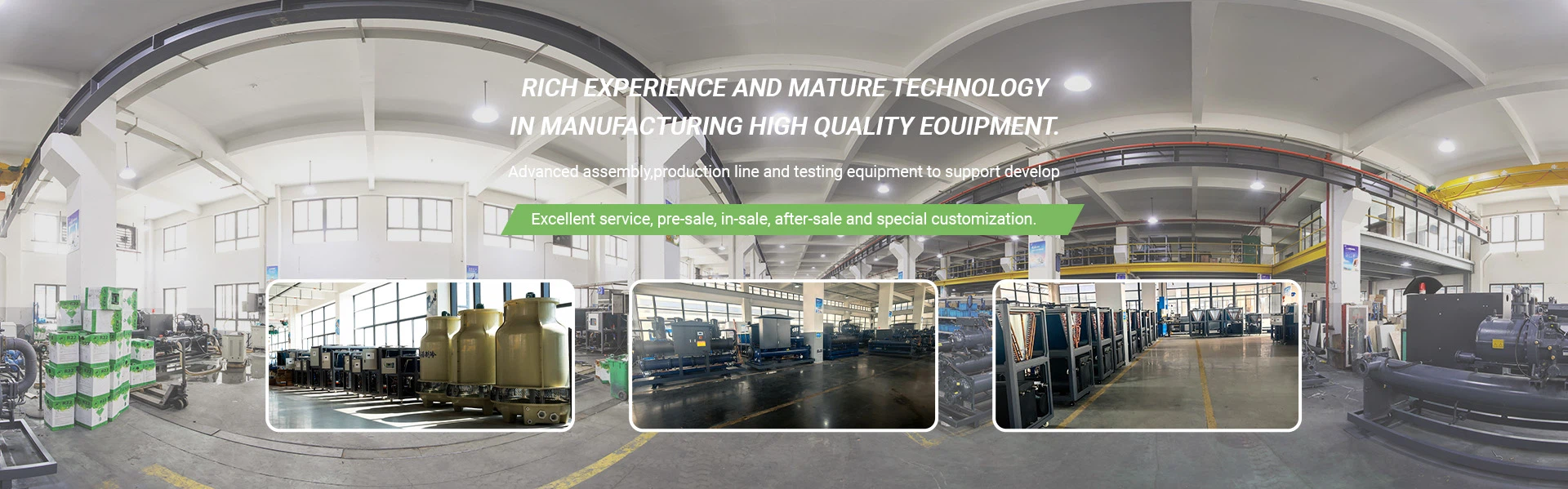
Our Factory
WENZHOU DMG MACHINERY Co., Ltd manily manufacture and export refrigeration equipment and air compressor with good reputation, Our customers are located all over the world including China, Southeast Asia, Middle East, USA, Europe as well as Africa and South America.

Ultimate FAQ Guide to Cooling Tower
We're known as one of the most professional cooling tower manufacturers and suppliers in China. Please be free to buy customized cooling tower at competitive price from our factory. Contact us for more details.
cooling tower for mines, Industrial Water Cooling Tower, cooling tower motor