

Hey there! I'm a supplier of water cooling chillers, and I've been getting a lot of questions lately about whether these chillers can be powered by renewable energy sources. So, I thought I'd sit down and write this blog to share my thoughts and knowledge on the topic.
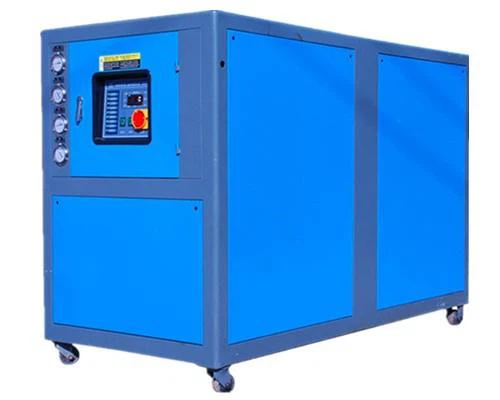
First off, let's talk about what a water cooling chiller is. Simply put, it's a machine that removes heat from a liquid through a vapor - compression or absorption refrigeration cycle. These chillers are used in a wide range of applications, from small commercial spaces to large industrial facilities. For example, our Water Cooled Scroll Chiller is great for medium - sized commercial buildings, while the Industrial Chiller Plant is designed for heavy - duty industrial use. And if you're looking for something that's air - cooled, our Scroll Air Cooled Water Chiller is a top - notch option.
Now, to answer the big question: Can a water cooling chiller be powered by renewable energy sources? The short answer is yes, it can. There are several renewable energy sources that can be harnessed to power these chillers, and each has its own set of pros and cons.

Solar Power
Solar power is one of the most popular renewable energy sources out there. It works by converting sunlight into electricity through photovoltaic (PV) panels. For water cooling chillers, solar power can be a great option, especially in areas with plenty of sunlight.
One of the main advantages of using solar power to run a water cooling chiller is that it's a clean and sustainable energy source. You're not relying on fossil fuels, which means you're reducing your carbon footprint. Plus, over the long run, solar power can save you a lot of money on energy bills. Once you've installed the PV panels, the energy from the sun is free!
However, there are also some challenges. Solar power is intermittent. It only generates electricity when the sun is shining, which means you might need to have a backup power source or an energy storage system, like batteries. Also, the initial cost of installing a solar power system can be quite high. You need to buy the PV panels, inverters, and other equipment, and have them installed by a professional.
Wind Power
Wind power is another viable option for powering water cooling chillers. Wind turbines convert the kinetic energy of the wind into electrical energy. In areas with strong and consistent winds, wind power can be a reliable source of energy.
The benefits of wind power are similar to those of solar power. It's a clean and renewable energy source, and it can help you save on energy costs in the long term. Wind turbines can be installed on - site at the location of the chiller, which reduces the need for long - distance transmission of electricity.
But just like solar power, wind power has its drawbacks. Wind is also an intermittent energy source. The amount of electricity generated depends on the wind speed, and there might be times when the wind isn't strong enough to produce sufficient power. Additionally, the installation of wind turbines can be complex and expensive, and they might face some opposition from local communities due to noise and visual impacts.
Geothermal Energy
Geothermal energy is a bit different from solar and wind power. It uses the heat from the Earth's interior to generate electricity or provide direct heating and cooling. For water cooling chillers, geothermal energy can be used in a geothermal heat pump system.
One of the major advantages of geothermal energy is its reliability. The temperature underground remains relatively constant throughout the year, which means you can have a stable source of energy. Geothermal systems also have a long lifespan and require less maintenance compared to some other energy systems.
However, geothermal energy systems can be very expensive to install. You need to drill wells and install pipes underground, which requires a significant upfront investment. And not all locations are suitable for geothermal energy extraction. You need to have the right geological conditions in the area.
Biomass Energy
Biomass energy is generated from organic materials, such as wood chips, agricultural waste, or dedicated energy crops. Biomass can be burned to produce heat, which can then be used to generate electricity or directly power a water cooling chiller through a steam - driven system.
The good thing about biomass energy is that it's a renewable resource, and it can help reduce waste by using organic materials that would otherwise be discarded. Biomass energy systems can also be more flexible in terms of location compared to some other renewable energy sources.
But there are downsides too. Biomass combustion can produce emissions, although modern biomass systems are designed to minimize these emissions. Also, the availability of biomass feedstock can be a challenge in some areas, and you need to have a reliable supply chain to ensure a continuous energy source.
Hybrid Systems
In many cases, using a hybrid system that combines multiple renewable energy sources can be the best approach. For example, you could combine solar power with a battery storage system and a backup generator that runs on biomass. This way, you can take advantage of the strengths of each energy source and overcome their individual weaknesses.
A hybrid system can provide a more stable and reliable power supply for your water cooling chiller. You can use solar power during the day when the sun is shining, store excess energy in batteries, and use the backup generator when needed.
The Future Outlook
As the technology for renewable energy continues to improve and the cost of these energy sources keeps coming down, I believe that more and more water cooling chillers will be powered by renewable energy in the future. Customers are becoming more environmentally conscious, and they're looking for ways to reduce their energy consumption and carbon emissions.
At our company, we're constantly researching and developing new solutions to make our water cooling chillers more compatible with renewable energy sources. We're working on improving the efficiency of our chillers so that they can operate with less power, and we're also exploring different ways to integrate renewable energy systems with our products.
Let's Talk!
If you're interested in using renewable energy to power your water cooling chiller, or if you have any questions about our products, I'd love to hear from you. Whether you're a small business owner looking for a compact chiller or an industrial manager in need of a large - scale chiller plant, we've got the expertise and the products to meet your needs. Don't hesitate to reach out and start a conversation about your cooling requirements and how renewable energy can be incorporated into your system.
References
- "Renewable Energy: Sources for Fuels and Electricity" by John Twidell and Tony Weir
- "Geothermal Heating and Cooling: Design of Geothermal Systems for Commercial and Institutional Buildings" by Curtis Williamson
- Various industry reports on renewable energy and water cooling chiller technologies