

Hey there! As a supplier of PLC Control Chillers, I've seen firsthand how crucial it is for these systems to handle load changes effectively. In this blog, I'll break down how a Programmable Logic Controller (PLC) manages load variations in a chiller, and why it's a game - changer for your cooling needs.
Understanding the Basics of Chillers and Load Changes
First off, let's get on the same page about what a chiller is and what load changes mean. A chiller is a machine that removes heat from a liquid via a vapor - compression or absorption refrigeration cycle. It's used in a wide range of applications, from industrial processes to commercial air - conditioning.
Load changes in a chiller refer to the fluctuations in the amount of cooling required. For example, in an industrial setting, the cooling demand might increase during peak production hours when more machinery is running, generating more heat. On the other hand, during off - peak hours, the load decreases significantly. If a chiller can't adapt to these load changes, it can lead to inefficient operation, higher energy costs, and even equipment damage.
The Role of a PLC in a Chiller System
A PLC is like the brain of a chiller system. It's a specialized computer that controls the operation of various components in the chiller, such as the compressor, condenser fans, and expansion valves. The main job of the PLC is to monitor the system's performance and make real - time adjustments to ensure optimal operation under different load conditions.
Monitoring System Parameters
The PLC constantly monitors a variety of parameters, including temperature, pressure, and flow rate. For instance, it measures the temperature of the chilled water leaving the chiller. If this temperature starts to rise, it indicates that the cooling load has increased. Similarly, changes in pressure can also signal a change in the load. By continuously collecting and analyzing this data, the PLC can accurately assess the current load on the chiller.
Controlling the Compressor
The compressor is one of the most important components in a chiller, as it's responsible for compressing the refrigerant and circulating it through the system. The PLC can control the compressor's speed and capacity based on the load. When the load is low, the PLC can reduce the compressor's speed, which saves energy. On the other hand, when the load is high, it can increase the compressor's capacity to meet the cooling demand. This is known as variable - speed drive (VSD) control, and it's a key feature in modern chiller systems.
Adjusting the Condenser Fans
The condenser fans play a crucial role in removing heat from the refrigerant in the condenser. The PLC can adjust the speed of the condenser fans based on the load. When the load is high, the fans can run at a higher speed to increase the heat transfer rate. Conversely, when the load is low, the fans can slow down, reducing energy consumption.
How PLC Handles Different Types of Load Changes
Gradual Load Changes
Gradual load changes are common in many chiller applications. For example, in a commercial building, the cooling load might increase slowly as the day progresses and more people enter the building. The PLC can handle these gradual changes by making small, incremental adjustments to the chiller's components. It can gradually increase the compressor's speed and the condenser fans' speed to match the rising load. This ensures a smooth and efficient operation of the chiller without any sudden spikes in energy consumption.
Sudden Load Changes
Sudden load changes can be more challenging to handle. For instance, in an industrial process, a piece of equipment might suddenly start or stop, causing a rapid change in the cooling demand. The PLC is designed to respond quickly to these sudden changes. It can use pre - programmed algorithms to immediately adjust the compressor's capacity and the speed of other components. For example, if the load suddenly increases, the PLC can quickly ramp up the compressor's speed to provide the additional cooling required.
Benefits of Using a PLC to Handle Load Changes
Energy Efficiency
One of the biggest benefits of using a PLC to handle load changes is energy efficiency. By adjusting the chiller's operation based on the actual load, the PLC can significantly reduce energy consumption. This not only saves money on energy bills but also reduces the environmental impact of the chiller system.
Equipment Protection
Proper load management also helps protect the chiller equipment. When the chiller operates at the right capacity for the load, it reduces the stress on the components. This can extend the lifespan of the compressor, condenser fans, and other parts, reducing maintenance costs and downtime.
Improved Comfort and Process Stability
In applications such as commercial air - conditioning and industrial processes, maintaining a stable temperature is crucial. The PLC ensures that the chiller can provide consistent cooling, even under changing load conditions. This leads to improved comfort for occupants in a building or better process stability in an industrial setting.
Our PLC Control Chillers: A Solution for Load Changes
At our company, we offer a range of PLC Control Chillers that are designed to handle load changes effectively. Our chillers are equipped with advanced PLCs that use the latest control algorithms to optimize performance.
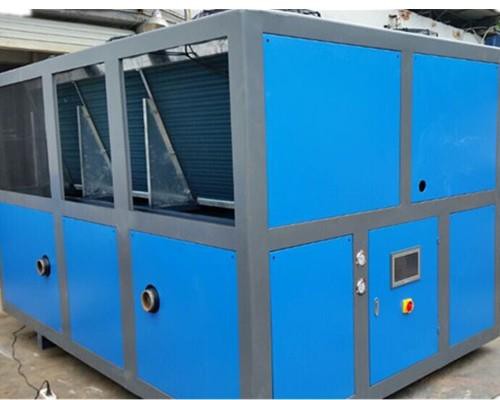
We have different types of chillers to suit various applications. For example, our Industrial Air Cooled Screw Chiller is ideal for industrial settings where there are often significant load changes. It can handle high - load conditions during peak production and operate efficiently during off - peak hours.
If you're looking for a specific capacity, our 100 Ton Air Cooled Chiller is a great option. It's designed to provide reliable cooling for medium - to large - scale applications, with the ability to adapt to different load requirements.
Contact Us for Your Chiller Needs
If you're interested in learning more about how our PLC Control Chillers can handle load changes in your specific application, don't hesitate to get in touch. We have a team of experts who can provide you with detailed information and help you choose the right chiller for your needs. Whether you're in the industrial, commercial, or any other sector, we're confident that our chillers can meet your cooling requirements and save you money in the long run.

References
- ASHRAE Handbook of Refrigeration.
- Chiller System Design and Control by CIBSE.
- PLC Programming for Industrial Automation by various industry publications.