

I. Introduction
As a dedicated screw water chiller supplier, I understand the critical role that these machines play in various industrial and commercial applications. A screw water chiller is a powerful and efficient cooling system, but like any complex equipment, it requires proper maintenance to ensure optimal performance, longevity, and cost - effectiveness. In this blog, I'll share some essential tips on how to maintain a screw water chiller properly.
II. Regular Inspection
- Visual Inspection: Conduct regular visual checks of the chiller. Look for any signs of physical damage such as cracks in the pipes, leaks in the refrigerant lines, or loose electrical connections. Pay close attention to the compressor, condenser, and evaporator. For instance, if there are oil stains around the compressor, it could indicate a refrigerant or oil leak. A small leak, if left unattended, can lead to a significant loss of refrigerant over time, reducing the chiller's cooling capacity and increasing energy consumption.
- Thermal Imaging: Use thermal imaging cameras to detect abnormal heat patterns. Hot spots in electrical components or the compressor can be early indicators of potential failures. For example, an overheating motor can cause insulation breakdown, which may eventually lead to a motor short - circuit. By identifying these hot spots early, you can schedule maintenance before a major breakdown occurs.
III. Refrigerant System Maintenance
- Refrigerant Level Check: Maintaining the correct refrigerant level is crucial for the chiller's efficiency. Low refrigerant levels can cause the compressor to work harder, leading to increased energy consumption and premature wear. On the other hand, overcharging the refrigerant can also reduce the chiller's performance and may even damage the compressor. Use proper refrigerant gauges to measure the pressure and temperature of the refrigerant at different points in the system. Compare the readings with the manufacturer's specifications to determine if the refrigerant level is correct.
- Refrigerant Leak Detection: Regularly check for refrigerant leaks. A small leak can gradually reduce the amount of refrigerant in the system, affecting its cooling capacity. There are several methods for leak detection, such as using electronic leak detectors or soap bubble tests. If a leak is detected, it should be repaired immediately, and the refrigerant should be replenished to the correct level.
IV. Compressor Maintenance
- Lubrication: The compressor is the heart of the screw water chiller, and proper lubrication is essential for its smooth operation. Check the oil level in the compressor regularly and ensure that the oil quality meets the manufacturer's requirements. Over time, the oil can become contaminated with debris, moisture, or refrigerant. If the oil is dirty or has a low viscosity, it should be changed according to the maintenance schedule.
- Vibration Analysis: Excessive vibration in the compressor can be a sign of mechanical problems such as misalignment, worn bearings, or loose parts. Use vibration sensors to monitor the compressor's vibration levels. If the vibration exceeds the normal range, further inspection and maintenance are required to prevent compressor failure.
V. Condenser and Evaporator Maintenance
- Cleaning: The condenser and evaporator coils are prone to dirt, dust, and debris accumulation. A dirty coil reduces the heat transfer efficiency of the chiller, which means the compressor has to work harder to achieve the desired cooling effect. Regularly clean the coils using a soft brush or a high - pressure air or water jet. For water - cooled condensers, also check the water quality and ensure that the water flow rate is within the recommended range.
- Fouling Prevention: In addition to physical dirt, chemical fouling can also occur in the condenser and evaporator. This can be caused by the presence of minerals, algae, or bacteria in the water. Use water treatment chemicals to prevent fouling and corrosion in the water - side of the heat exchangers.
VI. Electrical System Maintenance
- Electrical Component Inspection: Check all electrical components regularly for signs of wear, damage, or overheating. This includes the motor, contactors, relays, and circuit breakers. Tighten any loose electrical connections to prevent arcing, which can cause electrical fires.
- Power Supply Check: Ensure that the chiller is receiving a stable and correct power supply. Voltage fluctuations can damage electrical components and affect the chiller's performance. Use a voltage monitor to check the incoming power supply and install voltage stabilizers if necessary.
VII. Controls and Monitoring System Maintenance
- Control Panel Inspection: Inspect the control panel regularly for any signs of damage, such as a cracked display or malfunctioning buttons. Clean the control panel to prevent dust from interfering with the electrical contacts.
- Automated Monitoring: Many modern screw water chillers are equipped with automated monitoring systems. These systems can provide real - time data on the chiller's performance, such as temperature, pressure, and energy consumption. Regularly review the data from these monitoring systems to detect any abnormal trends early.
VIII. System Upgrades and Retrofits
- Energy - Efficiency Upgrades: As technology advances, there are often opportunities to upgrade the chiller to improve its energy efficiency. For example, upgrading the control system to a more advanced unit can optimize the chiller's operation and reduce energy consumption. Consider retrofitting the chiller with variable - speed drives for the compressor and pumps, which can adjust the speed according to the actual cooling load.
- Compatibility with New Refrigerants: With the growing concern for environmental protection, there is a trend towards using more environmentally friendly refrigerants. Check if your chiller can be retrofitted to use these new refrigerants. This not only helps to meet environmental regulations but also may improve the chiller's performance in some cases.
IX. Professional Maintenance and Training
- Scheduled Maintenance by Professionals: While some basic maintenance tasks can be carried out by in - house staff, it is recommended to have the chiller serviced by a professional technician on a regular basis. Professional technicians have the expertise and tools to perform comprehensive maintenance and troubleshooting.
- Training for Operators: Provide training for the chiller operators. Operators should understand the basic principles of the chiller's operation, how to perform routine maintenance tasks, and how to identify and report any abnormal conditions. Well - trained operators can help to ensure the proper operation and maintenance of the chiller.
X. Conclusion
Proper maintenance of a screw water chiller is essential for its long - term performance and reliability. By following these maintenance tips, you can not only extend the lifespan of the chiller but also improve its energy efficiency and reduce operating costs. If you are in the market for a new screw water chiller, we offer a wide range of products, including the 100 Ton Air Cooled Chiller, Water Cooled Screw Water Chiller, and Industrial Air Cooled Screw Chiller.
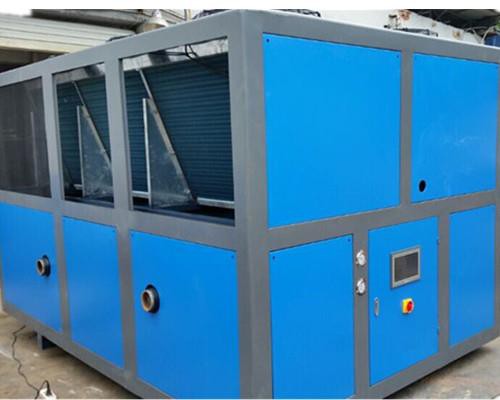

If you have any questions about screw water chiller maintenance or are interested in our products, feel free to contact us for a detailed discussion and purchasing negotiation. We are committed to providing you with high - quality products and excellent after - sales service.
References
-ASHRAE Handbook - Refrigeration
- Manufacturer's operation and maintenance manuals for screw water chillers