

Hey there! I'm a supplier of Oilless Air Compressors, and today I wanna share some tips on how to upgrade an old oilless air compressor. Whether you're a DIY enthusiast or a professional in an industrial setting, getting the most out of your equipment is always a plus.
Why Upgrade?
First off, you might be wondering why you should bother upgrading your old oilless air compressor. Well, over time, these machines can lose efficiency. The seals may wear out, the motor might not run as smoothly, and you could end up with lower air pressure than you need. Upgrading can boost performance, save energy, and even extend the lifespan of your compressor.
Assessing Your Compressor
Before you start upgrading, you need to take a good look at your compressor. Check for any visible signs of wear and tear, like cracks in the housing, loose belts, or leaks around the fittings. Listen to the compressor when it's running. Does it make any strange noises? A rattling sound could mean a loose part, while a high - pitched whine might indicate a problem with the motor.
You also need to figure out what your current compressor is capable of. Check the specifications for things like maximum pressure, air delivery rate (CFM - cubic feet per minute), and power consumption. This will give you a baseline to work from when you're considering upgrades.

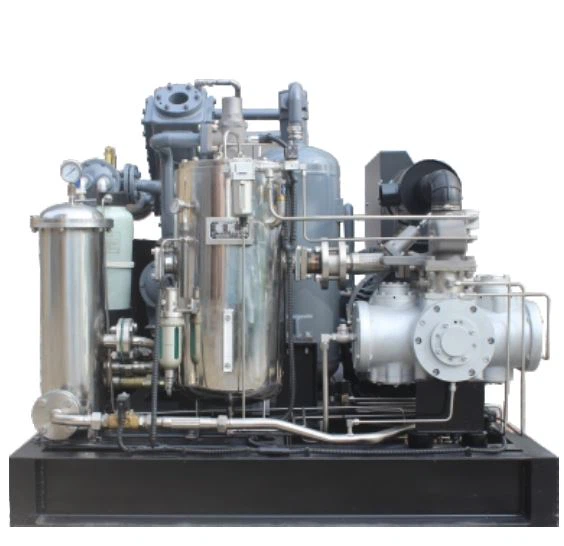
Upgrading the Motor
One of the most significant upgrades you can make to an old oilless air compressor is to replace the motor. An older motor might be less efficient, consuming more power to produce the same amount of air. Look for a high - efficiency motor that's the right size for your compressor. A motor that's too small won't be able to handle the load, while one that's too large will waste energy.
When you're shopping for a new motor, pay attention to the horsepower (HP) rating. The HP rating determines how much power the motor can deliver. You can find some great options at Oilless Air Compressor. Make sure to follow the manufacturer's instructions when installing the new motor. You'll likely need to disconnect the old motor, remove any mounting brackets, and then install the new one in its place.
Improving the Cooling System
Oilless air compressors generate a lot of heat when they're running. If the cooling system isn't working properly, the compressor can overheat, which can damage the components and reduce its lifespan. You can upgrade the cooling system by adding a larger or more efficient fan.
Some compressors come with built - in fans, but you might be able to find an aftermarket fan that's more powerful. You can also improve the ventilation around the compressor. Make sure there's plenty of space around it so that air can circulate freely. If possible, install the compressor in a well - ventilated area or near an exhaust fan.
Upgrading the Air Filter
The air filter in your oilless air compressor is crucial. It prevents dust, dirt, and other contaminants from entering the compressor and damaging the internal components. Over time, the filter can get clogged, which restricts the airflow and reduces the compressor's efficiency.
You can upgrade to a high - quality air filter that has a higher filtration rating. These filters are designed to trap smaller particles and last longer. You can find a wide range of air filters suitable for different types of compressors. Check out the options at 20 – 40 Bar Oil Free Piston Compressors. Replace the filter regularly according to the manufacturer's recommendations.
Upgrading the Pressure Switch
The pressure switch controls when the compressor turns on and off based on the air pressure in the tank. An old or faulty pressure switch can cause the compressor to run continuously or not turn on at all. Upgrading to a new pressure switch can improve the reliability of your compressor.
Look for a pressure switch with adjustable settings so that you can customize the cut - in and cut - out pressures. This allows you to fine - tune the compressor's operation to meet your specific needs. Installation is usually straightforward, but make sure to turn off the power before you start working on the switch.
Adding a Receiver Tank
If your old oilless air compressor doesn't have a receiver tank or if the existing tank is too small, adding a larger receiver tank can be a great upgrade. A receiver tank acts as a buffer, storing compressed air so that you have a steady supply when you need it.
It can also help to reduce the cycling frequency of the compressor, which means less wear and tear on the components. When choosing a receiver tank, consider the size and capacity. You'll need to make sure it's compatible with your compressor. You can find some great options at Oil Free Screw Booster Compressor.
Maintenance After Upgrades
Once you've completed the upgrades, it's important to keep up with regular maintenance. Check the compressor regularly for any signs of problems. Inspect the hoses and fittings for leaks, and make sure all the components are tight and secure.
Change the air filter as recommended, and check the oil level if your compressor has an oil - lubricated part (even though it's oilless, some models may have a small amount of oil in certain components). Also, keep an eye on the pressure and temperature gauges to make sure the compressor is operating within the normal range.
Conclusion
Upgrading an old oilless air compressor can be a cost - effective way to improve its performance and extend its lifespan. By following these tips, you can turn your old compressor into a reliable workhorse. Whether you're upgrading the motor, improving the cooling system, or adding a receiver tank, each upgrade can make a big difference.
If you're interested in any of the products or upgrades mentioned in this blog, or if you have any questions about oilless air compressors, don't hesitate to reach out. We're here to help you find the best solutions for your needs. Contact us to start a procurement discussion and get the most out of your oilless air compressor.
References
- Compressor Handbook, various editions
- Manufacturer's manuals for oilless air compressors