

As a supplier of Air Cooled Water Chillers, I often receive inquiries from customers about various aspects of our products, and one question that comes up quite frequently is whether it is easy to replace the refrigerant in an air cooled water chiller. In this blog post, I will delve into this topic in detail, sharing insights based on my industry experience and technical knowledge.
Understanding the Role of Refrigerant in an Air Cooled Water Chiller
Before discussing the replacement process, it's essential to understand the crucial role that refrigerant plays in an air cooled water chiller. The refrigerant is the working fluid that absorbs heat from the water being cooled and then releases it into the surrounding air. This heat transfer process is fundamental to the chiller's operation, enabling it to provide the necessary cooling for industrial processes or other applications.
There are several types of refrigerants commonly used in air cooled water chillers, such as R-410A, R-134a, and R-407C. Each refrigerant has its own unique properties, including boiling point, environmental impact, and efficiency. The choice of refrigerant depends on various factors, such as the chiller's design, operating conditions, and regulatory requirements.
Factors Affecting the Ease of Refrigerant Replacement
The ease of replacing the refrigerant in an air cooled water chiller is influenced by several factors. Let's take a closer look at some of the key considerations:
Chiller Design and Accessibility
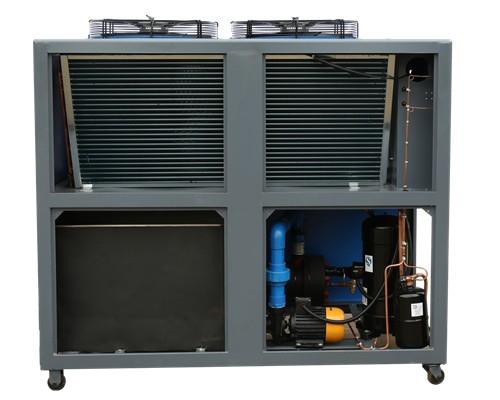
The design of the chiller itself plays a significant role in determining how easy it is to replace the refrigerant. Some chillers are designed with easy access to the refrigerant system components, such as the compressor, condenser, and evaporator. This makes it more convenient for technicians to perform maintenance tasks, including refrigerant replacement. On the other hand, some chillers may have complex designs or limited access points, which can make the replacement process more challenging and time-consuming.
Refrigerant Type and Quantity
The type of refrigerant used in the chiller can also affect the replacement process. Some refrigerants are more environmentally friendly and have lower global warming potential (GWP) than others. However, these refrigerants may also require special handling and equipment during replacement. Additionally, the quantity of refrigerant in the chiller system can vary depending on the chiller's size and capacity. Larger chillers typically require more refrigerant, which can increase the complexity and cost of the replacement process.
Regulatory Requirements
Refrigerant replacement is subject to various regulatory requirements, which can vary depending on the location and the type of refrigerant being used. In many countries, there are strict regulations governing the handling, storage, and disposal of refrigerants to protect the environment and human health. These regulations may require technicians to be certified and follow specific procedures when replacing the refrigerant. Failure to comply with these regulations can result in significant fines and penalties.

Technician Expertise
The expertise and experience of the technician performing the refrigerant replacement are also crucial factors. Replacing the refrigerant in an air cooled water chiller requires specialized knowledge and skills, including understanding the chiller's refrigeration cycle, handling refrigerant safely, and using the appropriate tools and equipment. A qualified technician will be able to diagnose any issues with the refrigerant system, determine the correct type and quantity of refrigerant needed, and perform the replacement process efficiently and safely.
The Refrigerant Replacement Process
The refrigerant replacement process typically involves several steps, which may vary depending on the specific chiller and refrigerant being used. Here is a general overview of the process:
Step 1: System Assessment
Before replacing the refrigerant, the technician will perform a thorough assessment of the chiller system to determine the current condition of the refrigerant and the overall performance of the chiller. This may include checking the refrigerant pressure, temperature, and level, as well as inspecting the system for any leaks or other issues.
Step 2: Recovery of Existing Refrigerant
Once the system has been assessed, the technician will use specialized equipment to recover the existing refrigerant from the chiller system. This process involves removing the refrigerant from the system and storing it in a recovery cylinder. The recovered refrigerant can then be recycled or disposed of in accordance with regulatory requirements.
Step 3: System Flushing and Cleaning
After the existing refrigerant has been recovered, the technician may need to flush and clean the chiller system to remove any contaminants or debris that may have accumulated in the system. This step is important to ensure the proper operation of the chiller and to prevent any damage to the new refrigerant.
Step 4: Refrigerant Charging
Once the system has been flushed and cleaned, the technician will charge the chiller system with the new refrigerant. This involves adding the correct type and quantity of refrigerant to the system, based on the chiller's specifications and the results of the system assessment. The technician will use specialized equipment to measure and control the refrigerant flow and ensure that the system is properly charged.
Step 5: System Testing and Commissioning
After the refrigerant has been charged, the technician will perform a series of tests to ensure that the chiller system is operating properly. This may include checking the refrigerant pressure, temperature, and flow, as well as testing the chiller's cooling capacity and efficiency. Once the system has been tested and commissioned, it is ready to be put back into service.
Conclusion
In conclusion, replacing the refrigerant in an air cooled water chiller is not a simple task and requires careful consideration of several factors. While the process can be relatively straightforward in some cases, it can also be complex and challenging, depending on the chiller design, refrigerant type, regulatory requirements, and technician expertise.
As a supplier of Industrial Air Cooled Chiller, Air Cooled Chiller Industrial Water Chiller, and Industrial Water Air Cooled Chiller, we understand the importance of providing our customers with high-quality products and reliable support. If you have any questions or need assistance with refrigerant replacement or any other aspect of your air cooled water chiller, please do not hesitate to contact us. Our team of experts will be happy to help you find the best solution for your needs.
References
- ASHRAE Handbook - Refrigeration. American Society of Heating, Refrigerating and Air-Conditioning Engineers, Inc.
- International Institute of Refrigeration (IIR). Refrigeration Handbook.
- U.S. Environmental Protection Agency (EPA). Refrigerant Management.