

As a supplier of water cooled chiller units, I've witnessed firsthand the widespread use and numerous advantages of these systems in various industries. However, like any technology, water cooled chiller units are not without their drawbacks. In this blog, I'll delve into some of the key disadvantages associated with water cooled chiller units, providing a balanced perspective for those considering investing in such equipment.
High Initial Investment
One of the most significant disadvantages of water cooled chiller units is the high initial investment required. Compared to air cooled chillers, water cooled chillers typically have a more complex design, which includes additional components such as a cooling tower, pumps, and piping. These extra components not only increase the cost of the chiller unit itself but also the installation costs. The cooling tower, for example, needs to be properly sized and installed, which may involve significant civil work and additional infrastructure.
Moreover, the need for a reliable water source and proper water treatment systems adds to the upfront expenses. Water treatment is crucial to prevent scale, corrosion, and biological growth in the chiller system, which can reduce its efficiency and lifespan. All these factors contribute to a higher initial capital outlay, making water cooled chiller units a less attractive option for small businesses or those with budget constraints.
High Water Consumption
Water cooled chiller units rely on a continuous supply of water for cooling purposes. This means that they consume a significant amount of water, which can be a major concern, especially in regions facing water scarcity or where water is expensive. The cooling tower in a water cooled chiller system evaporates a portion of the water to remove heat from the refrigerant, resulting in water loss. Additionally, a certain amount of water is also required for make - up water to replace the evaporated and blown - out water.
In industrial applications where large - scale water cooled chiller units are used, the water consumption can be substantial. This not only has environmental implications but also increases the operating costs for the end - user. For example, industries in arid regions may have to pay a premium for water, which can significantly impact their bottom line.
Complex Maintenance Requirements
Maintaining a water cooled chiller unit is a complex and labor - intensive process. The system consists of multiple components, each of which requires regular inspection, cleaning, and servicing. The cooling tower, for instance, needs to be cleaned regularly to prevent the growth of algae, bacteria, and other contaminants. If not properly maintained, these contaminants can clog the pipes, reduce the heat transfer efficiency, and even pose a health risk.
The water treatment system also needs to be carefully monitored and adjusted to ensure that the water quality meets the requirements of the chiller unit. This involves testing the water for various parameters such as pH, hardness, and conductivity and adding the appropriate chemicals to control scale, corrosion, and biological growth.
In addition, the refrigerant system in the chiller unit requires periodic maintenance, including leak checks, refrigerant level adjustments, and compressor servicing. All these maintenance tasks require skilled technicians and specialized tools, which can increase the overall maintenance costs and downtime of the system.
Space Requirements
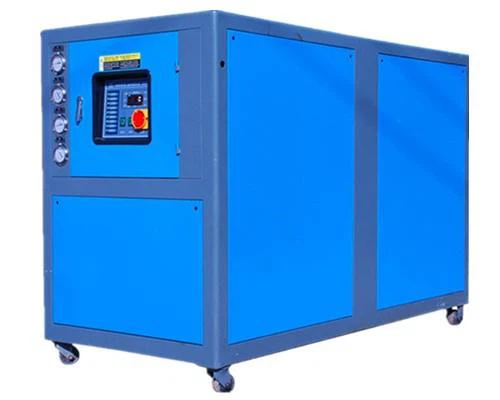
Water cooled chiller units, especially those with large capacities, require a significant amount of space for installation. The chiller unit itself, along with the cooling tower, pumps, and piping, needs to be installed in a well - ventilated area. The cooling tower, in particular, is a large and bulky piece of equipment that needs to be placed outdoors or in a dedicated mechanical room.
This can be a challenge for facilities with limited space, such as small factories or commercial buildings. In some cases, the need for additional space may require costly modifications to the existing infrastructure, such as the construction of a new mechanical room or the relocation of other equipment.

Susceptibility to Water - Related Issues
Water cooled chiller units are highly susceptible to water - related issues such as scale formation, corrosion, and biological growth. Scale is formed when the dissolved minerals in the water precipitate out and adhere to the heat transfer surfaces. This reduces the heat transfer efficiency of the chiller unit, leading to increased energy consumption and reduced cooling capacity.
Corrosion can occur when the water contains oxygen, acids, or other corrosive substances. It can damage the pipes, heat exchangers, and other components of the chiller system, leading to leaks and premature failure. Biological growth, such as algae and bacteria, can also cause problems by clogging the pipes and reducing the flow of water.
These water - related issues can be difficult to detect and correct, especially if the water quality is not properly monitored. They can also have a significant impact on the performance and lifespan of the chiller unit, resulting in increased maintenance costs and downtime.
Energy Consumption
Although water cooled chiller units are generally more energy - efficient than air cooled chillers in certain applications, they still consume a considerable amount of energy. The pumps used to circulate the water in the system require electricity to operate, and the compressor in the chiller unit also consumes a large amount of power.
In addition, the cooling tower fans, which are used to remove heat from the water, also consume energy. The energy consumption of a water cooled chiller unit can be affected by various factors such as the ambient temperature, water flow rate, and load on the chiller. If the chiller unit is not properly sized or operated, it can result in higher energy consumption and increased operating costs.
Noise Pollution
Water cooled chiller units, especially those with large cooling towers, can generate a significant amount of noise. The fans in the cooling tower, as well as the pumps and compressors in the chiller unit, produce noise during operation. This can be a nuisance for nearby residents or employees, especially in commercial or residential areas.
To reduce the noise level, additional noise - reduction measures such as sound enclosures or mufflers may need to be installed. However, these measures can add to the cost and complexity of the system.
Despite these disadvantages, water cooled chiller units still offer many advantages in certain applications, such as large - scale industrial processes and data centers where high - capacity cooling is required. If you are considering a water cooled chiller unit for your specific needs, we offer a wide range of products, including Industrial Water Cooled Chiller, Small Water Chiller, and Scroll Air Cooled Water Chiller.
If you have any questions or would like to discuss your cooling requirements in detail, please feel free to contact us for a consultation. We are committed to providing you with the best cooling solutions and helping you make an informed decision.
References
- ASHRAE Handbook of Refrigeration. American Society of Heating, Refrigerating and Air - Conditioning Engineers.
- Chiller System Design and Control. Trane Company.
- Water Treatment for Chiller Systems. ChemTreat Inc.