

In the realm of modern industrial and commercial cooling systems, chillers play a pivotal role in maintaining optimal temperatures for various processes and environments. A crucial component in ensuring the efficient operation of a chiller is the Programmable Logic Controller (PLC). As a leading PLC Control Chiller supplier, I am well - versed in the numerous functions of a PLC in controlling the refrigerant flow in a chiller. This blog will delve into these functions and highlight the importance of PLCs in enhancing chiller performance.
1. Precise Refrigerant Flow Regulation
One of the primary functions of a PLC in a chiller is to regulate the refrigerant flow precisely. The refrigerant is the lifeblood of the chiller, as it absorbs heat from the water or air being cooled and transfers it to the outside environment. By controlling the flow rate of the refrigerant, the PLC can ensure that the chiller operates at its optimal efficiency.
The PLC uses a series of sensors to monitor various parameters such as temperature, pressure, and flow rate. For example, temperature sensors are placed at key points in the chiller, including the evaporator and condenser. Based on the data collected from these sensors, the PLC can adjust the opening of the expansion valve, which controls the amount of refrigerant entering the evaporator. If the temperature in the evaporator is too high, the PLC will open the expansion valve further to allow more refrigerant to enter, increasing the cooling capacity. Conversely, if the temperature is too low, the PLC will reduce the opening of the valve to decrease the refrigerant flow.
This precise control of the refrigerant flow not only improves the cooling efficiency of the chiller but also helps to prevent issues such as over - cooling or under - cooling. For instance, in a Screw Compressor Water Chiller, proper refrigerant flow regulation ensures that the compressor operates within its designed capacity, reducing wear and tear and extending the lifespan of the equipment.
2. Compressor Protection
The compressor is one of the most critical and expensive components in a chiller. The PLC plays a vital role in protecting the compressor by controlling the refrigerant flow. When the compressor starts, the PLC ensures that the refrigerant flow is gradually increased to prevent a sudden surge in pressure. This soft - start function helps to reduce the mechanical stress on the compressor and other components of the chiller.
During normal operation, the PLC continuously monitors the pressure and temperature of the refrigerant at the compressor inlet and outlet. If the pressure or temperature exceeds the safe operating limits, the PLC will take appropriate action. For example, it may reduce the refrigerant flow by closing the expansion valve or even shut down the compressor to prevent damage.
In addition, the PLC can also detect abnormal operating conditions such as a refrigerant leak. A decrease in refrigerant pressure can indicate a leak, and the PLC can trigger an alarm and shut down the chiller to prevent further damage and ensure the safety of the system. This protection mechanism is especially important in Screw Compressor Chillers, where the compressor operates at high pressures and requires precise control.
3. Energy Efficiency Optimization
Energy efficiency is a major concern in the operation of chillers, as they consume a significant amount of electricity. The PLC can optimize the energy consumption of a chiller by controlling the refrigerant flow based on the actual cooling demand.
The PLC can adjust the refrigerant flow rate in real - time according to the load on the chiller. For example, during periods of low cooling demand, such as at night or during off - peak hours, the PLC can reduce the refrigerant flow to the evaporator. This reduces the workload on the compressor and other components, resulting in lower energy consumption.
Moreover, the PLC can implement advanced control strategies such as variable speed control. By adjusting the speed of the compressor and other pumps based on the refrigerant flow requirements, the chiller can operate more efficiently. For an Air Cooled Screw Water Chiller, this means that the system can adapt to different environmental conditions and cooling loads, maximizing energy savings without sacrificing cooling performance.
4. System Monitoring and Diagnostic Functions
The PLC provides comprehensive monitoring and diagnostic functions for the chiller system. It continuously collects data from various sensors throughout the chiller, including those related to refrigerant flow, temperature, pressure, and vibration. This data is then processed and analyzed by the PLC to provide real - time information about the operation of the chiller.
The PLC can display this information on a user interface, allowing operators to monitor the performance of the chiller at a glance. In addition, the PLC can generate detailed reports on the operation of the chiller, including energy consumption, refrigerant flow rates, and maintenance history. These reports can be used for performance evaluation, troubleshooting, and preventive maintenance.
If a fault occurs in the chiller system, the PLC can quickly identify the problem based on the sensor data. For example, if the refrigerant flow rate suddenly drops, the PLC can analyze other parameters such as pressure and temperature to determine the possible cause, such as a clogged filter or a malfunctioning valve. The PLC can then provide diagnostic information to the operator, guiding them through the troubleshooting process.
5. Integration with Other Systems
In modern industrial and commercial settings, chillers often need to be integrated with other systems such as building management systems (BMS) or process control systems. The PLC in a chiller can easily communicate with these external systems, allowing for centralized control and monitoring.
The PLC can send and receive data from the BMS, enabling the chiller to operate in coordination with other HVAC systems in the building. For example, the BMS can provide information about the overall cooling demand of the building, and the PLC can adjust the refrigerant flow in the chiller accordingly. This integration helps to optimize the energy consumption of the entire building and improve the comfort level of the occupants.
In addition, the PLC can also be integrated with process control systems in industrial applications. For example, in a manufacturing process where a chiller is used to cool a specific process fluid, the PLC can receive instructions from the process control system to adjust the refrigerant flow based on the process requirements. This ensures that the chiller provides the right amount of cooling at the right time, improving the quality and efficiency of the manufacturing process.
Contact for Purchase and Negotiation
As a professional PLC Control Chiller supplier, we are committed to providing high - quality chillers with advanced PLC control technology. Our chillers, including Air Cooled Screw Water Chillers, Screw Compressor Chillers, and Screw Compressor Water Chillers, are designed to meet the diverse needs of our customers.

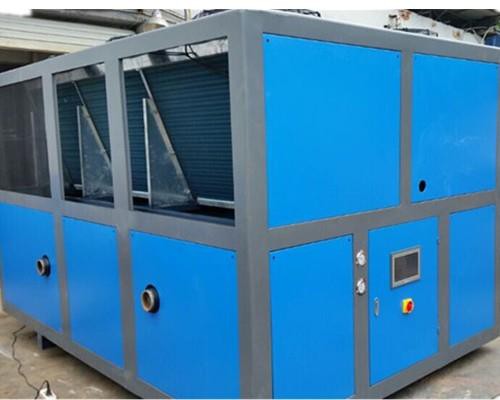
If you are interested in purchasing our chillers or have any questions about the functions of PLCs in controlling refrigerant flow, please feel free to contact us. We look forward to having in - depth discussions with you and providing you with the best cooling solutions.
References
- ASHRAE Handbook - HVAC Systems and Equipment. American Society of Heating, Refrigerating and Air - Conditioning Engineers.
- "Control Strategies for Chiller Systems" by various authors in the Journal of Refrigeration and Air - Conditioning.
- Manufacturer's technical manuals for PLCs and chillers.