

Hey there! As a supplier of Silent Air Compressors, I often get asked about the noise level of these nifty machines. So, let's dive right in and explore what the noise level of a silent air compressor really is.
First off, what makes an air compressor "silent"? Well, it's all about reducing the amount of noise it makes during operation. Traditional air compressors can be pretty loud, like that annoying neighbor who plays their music too loud at night. But silent air compressors are designed to keep the noise down to a minimum, making them a great choice for places where noise is a concern, like workshops in residential areas or quiet offices.
Now, let's talk numbers. The noise level of an air compressor is measured in decibels (dB). A normal conversation usually happens at around 60 dB. A lawnmower, on the other hand, can be as loud as 90 dB. Silent air compressors are engineered to operate at much lower noise levels. Most of the silent air compressors we supply typically have a noise level ranging from 40 dB to 60 dB. That's about as quiet as a library or a gentle breeze rustling through the leaves.
But how do they achieve such low noise levels? There are a few key factors at play. One of the main things is the design of the compressor. Our silent air compressors are built with advanced sound - insulating materials. These materials act like a cozy blanket, wrapping around the internal components and absorbing the sound waves that would otherwise escape and cause a ruckus.
Another important aspect is the motor. We use high - quality, low - vibration motors in our silent air compressors. Motors are often a major source of noise in air compressors because of the mechanical vibrations they produce. By minimizing these vibrations, we can significantly reduce the overall noise output.
The type of compressor also matters. For example, oilless air compressors tend to be quieter than their oil - lubricated counterparts. Oilless compressors don't have the additional noise from the oil sloshing around and the friction it creates. You can check out our Oilless Air Compressor range to see some great options.
In addition, the way the compressor is installed can impact the noise level. If it's placed on a stable, vibration - absorbing surface, it will be quieter. We always recommend installing our silent air compressors on a rubber mat or a soft, flat surface to further dampen any vibrations.
Now, let's talk about some of the applications where the low noise level of our silent air compressors really shines. In dental clinics, for example, a quiet air compressor is essential. Patients are already a bit nervous when they're sitting in the dentist's chair, and a loud compressor would only add to their anxiety. Our silent air compressors ensure a calm and comfortable environment for both patients and dental staff.
In the pet industry, air compressors are used for various purposes, like in pet grooming salons to power airbrushes or in pet hospitals for certain medical equipment. The last thing you want is a noisy compressor scaring the poor furry friends. That's why our Pet Air Compressors are a popular choice. They operate quietly, so the pets can stay relaxed during their treatments or grooming sessions.
For home workshops, many DIY enthusiasts prefer silent air compressors. You don't want to be disturbing your family or neighbors while you're working on your latest project. With our silent air compressors, you can work away to your heart's content without causing any noise pollution.
If you're looking for an even more eco - friendly and quiet option, our 100% Oil Free Compressor is a great pick. These compressors not only operate quietly but also don't require any oil changes, which means less maintenance and a cleaner environment.
When it comes to choosing the right silent air compressor for your needs, there are a few things to consider. First, think about the amount of air you need. This is measured in cubic feet per minute (CFM). Different applications require different CFM ratings. For example, a small airbrush for art projects might only need a low CFM, while a pneumatic tool like a nail gun will require a higher CFM.
You also need to consider the pressure requirements. Air compressors are rated in pounds per square inch (PSI). Make sure the compressor you choose can deliver the right amount of pressure for your specific application.

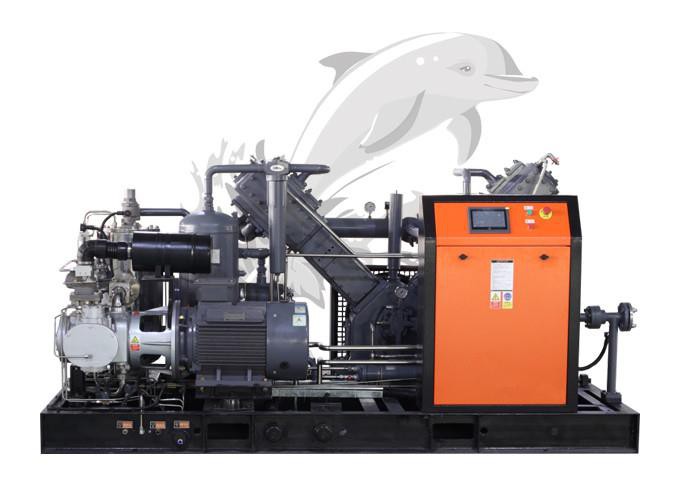
The size and portability of the compressor are also important. If you need to move it around a lot, a smaller, more portable model might be a better choice. But if it's going to stay in one place in a workshop, you might be able to go for a larger, more powerful unit.
In conclusion, the noise level of a silent air compressor is a crucial factor, especially for applications where noise is a concern. Our silent air compressors offer a great solution, with noise levels ranging from 40 dB to 60 dB, thanks to their advanced design, high - quality motors, and smart installation techniques. Whether you're in the dental industry, pet industry, or just a DIY enthusiast at home, we have a silent air compressor that will fit your needs.
If you're interested in learning more about our silent air compressors or are ready to make a purchase, we'd love to hear from you. Feel free to reach out to us to start a conversation about your requirements and how our products can meet them.
References:
- General knowledge about air compressor technology and noise reduction techniques.
- Product specifications and research on our own silent air compressor models.