

What is the power consumption of an air dryer?
As a supplier of air dryers, I often get asked about the power consumption of these essential pieces of equipment. Understanding the power consumption of an air dryer is crucial for businesses looking to manage their energy costs and ensure efficient operation. In this blog post, I'll delve into the factors that influence the power consumption of air dryers, how to calculate it, and some tips on reducing energy usage.
Factors Affecting Air Dryer Power Consumption
Type of Air Dryer
There are several types of air dryers available on the market, each with its own power consumption characteristics. The most common types include refrigerated air dryers, desiccant air dryers, and membrane air dryers.
- Refrigerated Air Dryers: These are the most widely used type of air dryers. They work by cooling the compressed air to remove moisture. The power consumption of a refrigerated air dryer mainly depends on the size of the compressor and the cooling system. Generally, larger capacity dryers will consume more power. For example, a small - scale refrigerated air dryer used in a dental office might consume around 1 - 2 kilowatts (kW), while a large industrial - grade refrigerated air dryer can consume 10 kW or more.
- Desiccant Air Dryers: Desiccant dryers use a desiccant material to adsorb moisture from the compressed air. They typically consume more power than refrigerated dryers, especially during the regeneration process. Some desiccant dryers use heated regeneration, which requires a significant amount of energy to heat the desiccant. On the other hand, heatless desiccant dryers use a portion of the dried compressed air for regeneration, which also has an impact on the overall power consumption of the system. The power consumption of desiccant air dryers can range from 3 - 15 kW depending on the size and design.
- Membrane Air Dryers: Membrane dryers are relatively new in the market. They work by allowing water vapor to pass through a semi - permeable membrane while retaining the compressed air. These dryers are known for their low power consumption, often consuming less than 1 kW, making them an energy - efficient option for small - scale applications.
Compressed Air Flow Rate
The flow rate of the compressed air passing through the air dryer is another significant factor. Higher flow rates require more energy to process the air and remove moisture. For instance, if you have a production line that requires a large volume of compressed air, the air dryer will need to work harder, leading to increased power consumption. As a rule of thumb, for every 10% increase in the compressed air flow rate, the power consumption of the air dryer may increase by approximately 5 - 10%.
Operating Pressure
The operating pressure of the compressed air system also affects the power consumption of the air dryer. Higher operating pressures mean that the air dryer has to work against more resistance to process the air. This results in increased energy usage. For example, if you operate your air dryer at a pressure of 100 psi (pounds per square inch) instead of 80 psi, the power consumption may increase by 10 - 15%.
Ambient Conditions
The ambient temperature and humidity can have a substantial impact on the power consumption of an air dryer. In hot and humid environments, the air dryer has to remove more moisture from the compressed air, which requires more energy. For example, in a tropical climate with high humidity levels, the power consumption of a refrigerated air dryer may be 20 - 30% higher compared to a dryer operating in a dry and cool environment.
Calculating the Power Consumption of an Air Dryer
To calculate the power consumption of an air dryer, you need to know the power rating of the dryer (usually given in kilowatts) and the number of hours it operates per day. The formula for calculating the daily power consumption (in kilowatt - hours, kWh) is:
Daily Power Consumption (kWh)=Power Rating (kW)×Operating Hours per Day
For example, if you have a refrigerated air dryer with a power rating of 5 kW and it operates for 8 hours a day, the daily power consumption would be:
5 kW×8 hours = 40 kWh

To calculate the monthly or annual power consumption, you can simply multiply the daily consumption by the number of days in the month or year.
Reducing the Power Consumption of Air Dryers
As an air dryer supplier, I understand the importance of helping our customers reduce their energy costs. Here are some tips on how to reduce the power consumption of air dryers:
Optimize the Compressed Air System
Ensure that your compressed air system is properly sized and maintained. Leaks in the system can cause the compressor to work harder, which in turn increases the load on the air dryer. Regularly inspect and repair any leaks in the compressed air lines. Also, consider using variable - speed drives (VSD) on your compressors. VSDs can adjust the compressor speed according to the demand, reducing the overall energy consumption of the system.
Choose the Right Type of Air Dryer
Select an air dryer that is suitable for your specific application. If you only need to remove a small amount of moisture from the compressed air, a membrane air dryer may be a more energy - efficient option. For larger industrial applications where a very low dew point is required, a desiccant air dryer may be necessary, but you can choose a model with energy - saving features such as heat - of - compression regeneration.

Control the Operating Conditions
Try to keep the operating pressure and flow rate of the compressed air system as stable as possible. Avoid sudden changes in pressure or flow, as this can cause the air dryer to operate inefficiently. Also, ensure that the air dryer is installed in a well - ventilated area to maintain optimal ambient conditions.
Our Air Dryer Products
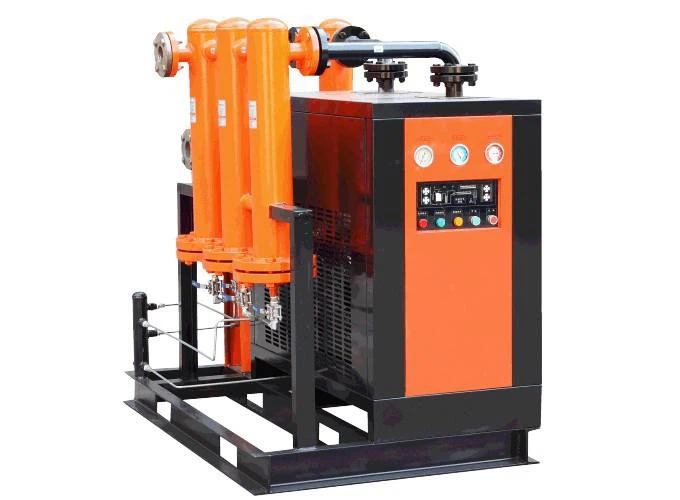
At our company, we offer a wide range of air dryers to meet the diverse needs of our customers. Our Medium Pressure Air Purification System is designed to provide efficient and reliable air drying for medium - pressure applications. It is equipped with advanced technology to minimize power consumption while maintaining high - quality performance.
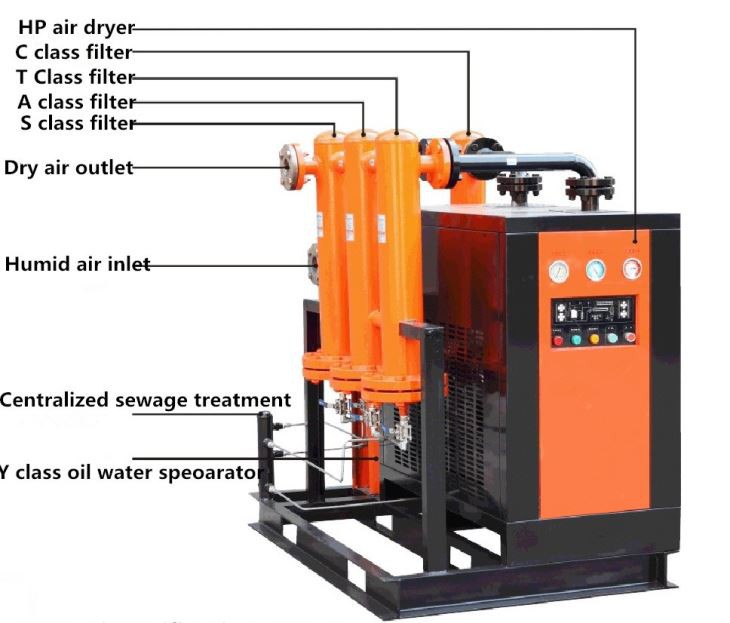
Our Compressed Air Dryer is suitable for a variety of industrial applications. It comes in different sizes and configurations to meet your specific requirements. Whether you need a small - scale dryer for a workshop or a large - scale dryer for a manufacturing plant, we have the right solution for you.
We also offer Air Compressor Air Dryer systems that are integrated with compressors for seamless operation. These systems are designed to provide clean and dry compressed air, reducing the risk of equipment damage and improving the efficiency of your production processes.
Contact Us for Procurement and Negotiation
If you are interested in purchasing an air dryer or have any questions about our products, we encourage you to contact us. Our team of experts is ready to assist you in selecting the right air dryer for your application and providing you with detailed information about power consumption and energy - saving options. We look forward to discussing your needs and finding the best solution for your business.
References
- ASHRAE Handbook - HVAC Systems and Equipment. American Society of Heating, Refrigerating and Air - Conditioning Engineers.
- Compressed Air and Gas Handbook. Ingersoll Rand.