

The control panel in a chiller cooling system serves as the nerve center, orchestrating and regulating all the critical functions that ensure the efficient and reliable operation of the entire system. As a leading supplier of chiller cooling systems, we understand the pivotal role that the control panel plays in optimizing performance, enhancing energy efficiency, and providing seamless user experience.
1. System Monitoring and Data Acquisition
One of the primary functions of the control panel is to monitor various parameters within the chiller cooling system. It continuously collects data on temperature, pressure, flow rate, and other vital metrics from sensors strategically placed throughout the system. This real - time data is crucial for operators to have a comprehensive understanding of the system's status.
For instance, temperature sensors placed at the evaporator and condenser can provide accurate readings of the refrigerant's temperature. High or low temperatures can indicate potential issues such as refrigerant leaks, blockages, or compressor malfunctions. By constantly monitoring these temperatures, the control panel can alert operators to take corrective actions before a minor problem escalates into a major breakdown.
Similarly, pressure sensors help in ensuring that the system operates within the safe pressure limits. Abnormal pressure readings can signal problems like clogged filters or faulty valves. The control panel records and analyzes this data over time, enabling predictive maintenance and reducing the risk of unexpected system failures.
2. System Control and Regulation
The control panel is responsible for regulating the operation of different components in the chiller cooling system. It controls the compressor, fans, pumps, and expansion valves to maintain the desired temperature and pressure levels.
The compressor is the heart of the chiller system, and the control panel manages its start - stop cycles and speed. Based on the cooling demand, the control panel can adjust the compressor's capacity to match the load. For example, during periods of low cooling demand, the compressor can operate at a reduced speed, saving energy and reducing wear and tear.
Fans are used to dissipate heat from the condenser. The control panel adjusts the fan speed according to the temperature of the condenser. When the condenser temperature is high, the fans run at a higher speed to increase the heat transfer rate. Conversely, when the temperature is low, the fan speed can be reduced to save energy.
Pumps are used to circulate the refrigerant and the chilled water. The control panel regulates the pump speed to ensure proper flow rates. It can also control the opening and closing of valves to direct the flow of refrigerant and water to different parts of the system.
3. Safety and Protection
Safety is of utmost importance in any chiller cooling system, and the control panel plays a vital role in ensuring it. It is equipped with various safety features to protect the system from damage and prevent accidents.
Over - temperature protection is a critical safety function. If the temperature in the system exceeds a pre - set limit, the control panel will automatically shut down the compressor or take other corrective actions to prevent overheating. This protects the compressor and other components from damage due to excessive heat.
Over - pressure protection is another essential feature. If the pressure in the system rises above the safe limit, the control panel will activate safety valves to release the excess pressure. It can also shut down the system to prevent further pressure build - up.
The control panel also provides protection against electrical faults. It can detect short - circuits, over - currents, and other electrical problems and isolate the affected parts of the system to prevent damage to the equipment and ensure the safety of the operators.
4. User Interface and Communication
The control panel serves as the interface between the operators and the chiller cooling system. It provides a user - friendly display that shows the system's status, including temperature, pressure, flow rate, and other important parameters. Operators can easily access this information and make informed decisions about the system's operation.
The control panel also allows operators to set and adjust various parameters. They can set the desired temperature, pressure, and other operating conditions according to the specific requirements of the application. For example, in a commercial building, the operators can adjust the chiller's temperature settings based on the occupancy and the outdoor weather conditions.
In addition, the control panel supports communication with other systems. It can be connected to a building management system (BMS) or a remote monitoring system. This enables remote monitoring and control of the chiller cooling system, allowing operators to manage the system from a central location. They can receive real - time alerts and notifications about system faults and take immediate actions to resolve them.
5. Energy Management
Energy efficiency is a key concern in modern chiller cooling systems, and the control panel plays a crucial role in optimizing energy consumption. It uses advanced algorithms to analyze the system's performance and adjust the operation of the components to minimize energy waste.
The control panel can implement load - matching strategies. By continuously monitoring the cooling demand, it can adjust the compressor's capacity, fan speed, and pump speed to match the actual load. This ensures that the system operates at its most efficient point, reducing energy consumption and operating costs.
It can also implement energy - saving modes. For example, during off - peak hours, the control panel can put the system into a low - energy mode, where the components operate at a reduced capacity. This helps to reduce the overall energy consumption of the system without compromising the cooling performance.

Conclusion
In conclusion, the control panel is an indispensable component of a chiller cooling system. It plays a multifaceted role in system monitoring, control, safety, user interface, and energy management. As a [Chiller Cooling System Supplier], we offer state - of - the - art control panels that are designed to provide maximum performance, reliability, and energy efficiency.
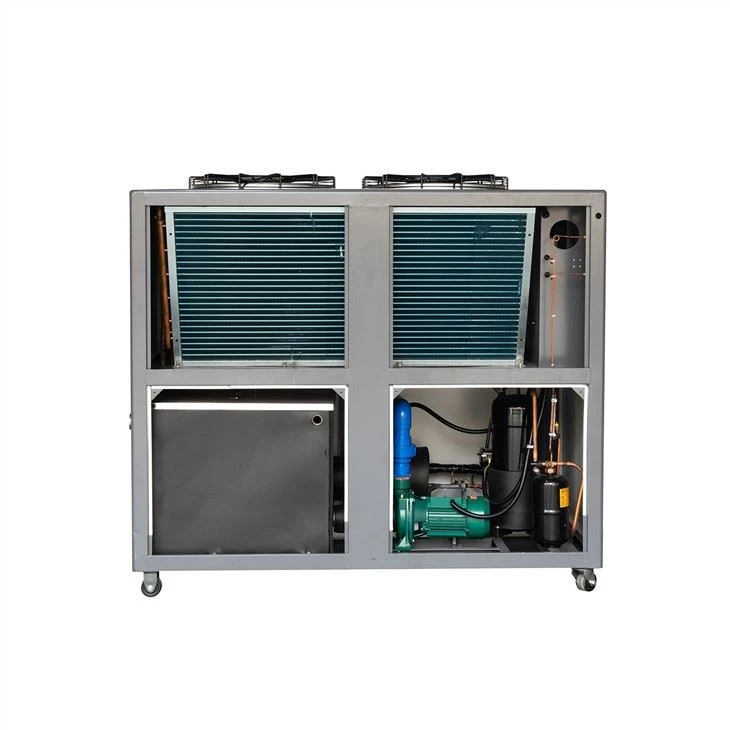
Our Industrial Chiller Units, Chiller Air Cooled Chiller, and Air Cooled Chiller Industrial Water Chiller are equipped with advanced control panels that are tailored to meet the specific needs of different applications. Whether you are looking for a chiller system for a small commercial building or a large industrial facility, our control panels can ensure smooth and efficient operation.
If you are interested in learning more about our chiller cooling systems and the role of our control panels, we invite you to contact us for a detailed discussion. Our team of experts is ready to assist you in selecting the right chiller system for your needs and providing you with comprehensive support throughout the procurement and installation process.
References
- ASHRAE Handbook - HVAC Systems and Equipment. American Society of Heating, Refrigerating and Air - Conditioning Engineers.
- Chiller System Design and Operation: A Guide to Energy Efficiency. United States Department of Energy.
- Refrigeration and Air Conditioning Technology. William C. Whitman, William M. Johnson, John Tomczyk, and Eugene Silberstein.