

What is the Sound Insulation of a Screw Compressor Chiller?
As a supplier of screw compressor chillers, I often receive inquiries about the sound insulation of these essential cooling systems. In this blog, I'll delve into what sound insulation means for screw compressor chillers, why it matters, and how we approach this aspect in our products.

Understanding Sound Insulation in Screw Compressor Chillers
Sound insulation in the context of a screw compressor chiller refers to the measures taken to reduce the noise generated by the chiller during its operation. A screw compressor chiller is a complex piece of equipment that consists of a compressor, condenser, evaporator, and other components. When these components work together, they produce mechanical vibrations and airflow noises, which can be quite loud if not properly managed.
The compressor, in particular, is a major source of noise. The screws inside the compressor rotate at high speeds, compressing the refrigerant gas. This process creates both mechanical noise from the moving parts and aerodynamic noise from the flow of the gas. Additionally, the fans used for air - cooling or the pumps for water - cooling can also contribute to the overall noise level.
Why Sound Insulation is Important
There are several reasons why sound insulation is crucial for screw compressor chillers. Firstly, in commercial and industrial settings, excessive noise can be a nuisance to employees, customers, and nearby residents. High noise levels can cause distractions, reduce productivity, and even lead to long - term hearing damage. For example, in a manufacturing plant where multiple chillers are operating, the cumulative noise can be overwhelming.
Secondly, in some applications, such as hospitals, data centers, and laboratories, a quiet environment is essential. In a hospital, noise can disrupt patient rest and interfere with medical equipment operation. In a data center, excessive noise can make it difficult for technicians to communicate effectively.
Thirdly, from a regulatory perspective, many local and national authorities have set limits on the noise emissions of industrial equipment. Non - compliance with these regulations can result in fines and legal issues for the end - users.
How Sound Insulation is Achieved in Screw Compressor Chillers
1. Design of the Compressor
The design of the screw compressor itself plays a significant role in noise reduction. Advanced manufacturing techniques are used to ensure precise machining of the screws, reducing mechanical vibrations. The use of high - quality bearings and lubrication systems also helps to minimize friction and noise. Some compressors are designed with a hermetic or semi - hermetic structure, which encloses the compressor components in a sealed housing, reducing the transmission of noise.
2. Insulation Materials
We use various insulation materials in our screw compressor chillers to absorb and dampen noise. Acoustic insulation panels made of materials such as fiberglass, mineral wool, or foam are installed inside the chiller cabinet. These materials have high sound absorption coefficients, which means they can effectively convert sound energy into heat energy. For example, fiberglass insulation can absorb a wide range of frequencies, from low - frequency rumbling to high - frequency whistling.
3. Cabinet Design
The design of the chiller cabinet is also optimized for sound insulation. The cabinet is usually made of thick - gauge steel or other strong materials to provide a solid barrier against noise. Seals and gaskets are used around the doors and access panels to prevent sound leakage. Additionally, the internal layout of the chiller is designed to separate noisy components from other parts of the system, reducing the spread of noise.
4. Vibration Isolation
Vibration isolation is another important aspect of sound insulation. Rubber mounts or springs are used to isolate the compressor and other vibrating components from the chiller frame. These isolators absorb the vibrations generated by the components, preventing them from being transmitted to the rest of the chiller and the surrounding environment.
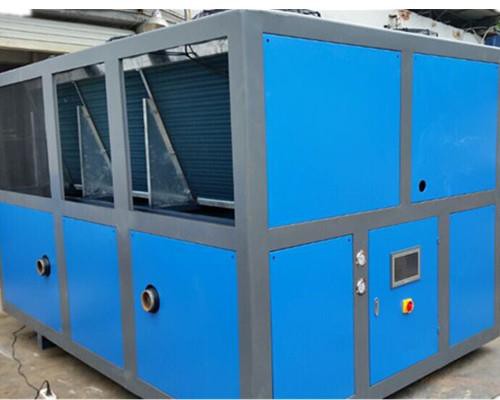
Our Approach as a Screw Compressor Chiller Supplier
At our company, we are committed to providing high - quality screw compressor chillers with excellent sound insulation. We invest in research and development to continuously improve our chiller designs. Our engineers work closely with acoustic experts to ensure that our chillers meet the strictest noise standards.
We offer a range of Water And Air Cooled Screw Chiller models, each designed to provide optimal cooling performance with minimal noise. Our Screw Air Cooled Chiller Refrigeration Cycle is carefully engineered to reduce noise while maintaining high energy efficiency. And our Screw Compressor Water Chiller models are equipped with the latest sound insulation technologies to provide a quiet and reliable cooling solution.
We also understand that every customer's needs are different. That's why we offer customized solutions. We can work with you to determine the best sound insulation options for your specific application, whether it's a small office building or a large industrial complex.
Contact Us for Your Screw Compressor Chiller Needs
If you're in the market for a screw compressor chiller and are concerned about noise levels, we're here to help. Our team of experts can provide you with detailed information about our products, including their sound insulation capabilities. We can also offer guidance on installation, maintenance, and any other questions you may have.
Whether you're looking for a standard chiller or a customized solution, we're confident that we can meet your requirements. Contact us today to start the conversation about your screw compressor chiller needs and let's work together to find the perfect cooling solution for you.

References
- ASHRAE Handbook of Refrigeration. American Society of Heating, Refrigerating and Air - Conditioning Engineers.
- Industrial Noise Control and Acoustics. CRC Press.
- Noise Reduction in HVAC Systems. Technical papers from leading HVAC manufacturers.