

What is the working principle of a water cooled screw chiller?
As a supplier of water cooled screw chillers, I am often asked about the working principle of these remarkable machines. In this blog post, I will delve into the details of how a water cooled screw chiller operates, providing you with a comprehensive understanding of its functionality.
The Basics of a Water Cooled Screw Chiller
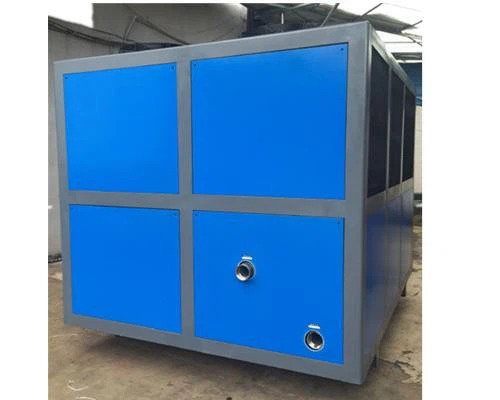
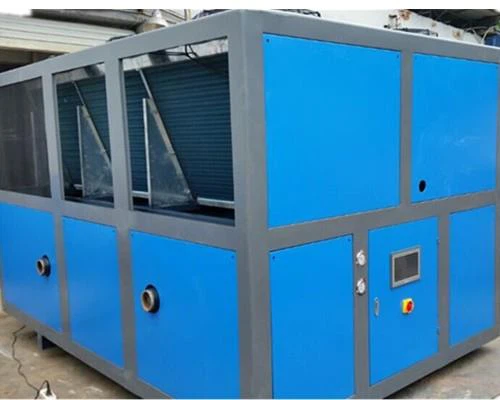
A water cooled screw chiller is a refrigeration system that uses a screw compressor to cool water. It is commonly used in industrial and commercial applications where a large amount of cooling is required, such as in manufacturing plants, data centers, and hospitals. The main components of a water cooled screw chiller include the screw compressor, condenser, evaporator, expansion valve, and control system.
The Refrigeration Cycle
The working principle of a water cooled screw chiller is based on the refrigeration cycle, which consists of four main processes: compression, condensation, expansion, and evaporation. Let's take a closer look at each of these processes.
Compression
The refrigeration cycle begins with the compression process. The screw compressor, which is the heart of the chiller, draws in low-pressure refrigerant vapor from the evaporator. Inside the compressor, the refrigerant vapor is compressed to a high-pressure and high-temperature state. This increase in pressure and temperature is essential for the subsequent heat rejection process.
Condensation
After compression, the high-pressure and high-temperature refrigerant vapor flows into the condenser. The condenser is a heat exchanger that transfers heat from the refrigerant to the cooling water. As the refrigerant releases heat, it condenses into a high-pressure liquid state. The cooling water, which is usually sourced from a cooling tower or a water supply system, absorbs the heat from the refrigerant and carries it away.
Expansion
Once the refrigerant has condensed into a liquid state, it passes through the expansion valve. The expansion valve is a device that regulates the flow of refrigerant into the evaporator. As the refrigerant passes through the expansion valve, its pressure drops suddenly, causing it to expand and evaporate. This expansion process also results in a decrease in temperature.
Evaporation
The low-pressure and low-temperature refrigerant vapor then enters the evaporator. The evaporator is another heat exchanger that transfers heat from the chilled water to the refrigerant. As the chilled water flows through the evaporator, it releases heat to the refrigerant, causing the refrigerant to evaporate. The chilled water, which has now been cooled, is then circulated back to the process or space that requires cooling.
The Role of the Cooling Water
The cooling water plays a crucial role in the operation of a water cooled screw chiller. It is responsible for removing the heat from the refrigerant in the condenser and maintaining the proper operating temperature of the chiller. The cooling water is typically circulated through a cooling tower, where it is cooled by the ambient air. The cooled water is then pumped back to the condenser to repeat the heat rejection process.
Advantages of Water Cooled Screw Chillers
Water cooled screw chillers offer several advantages over other types of chillers, such as air cooled chillers. Some of the key advantages include:
- Higher Efficiency: Water cooled screw chillers are generally more efficient than air cooled chillers because they can reject heat more effectively. The use of water as a cooling medium allows for a larger heat transfer surface area, which results in better heat transfer and lower energy consumption.
- Quieter Operation: Water cooled screw chillers are typically quieter than air cooled chillers because the condenser is located indoors and the noise is muffled by the building structure. This makes them ideal for applications where noise is a concern, such as in hospitals and schools.
- Longer Lifespan: Water cooled screw chillers have a longer lifespan than air cooled chillers because the condenser is protected from the elements and is less prone to damage. This results in lower maintenance costs and a higher return on investment.
Applications of Water Cooled Screw Chillers
Water cooled screw chillers are widely used in a variety of industrial and commercial applications, including:
- Manufacturing: Water cooled screw chillers are commonly used in manufacturing plants to cool industrial processes, such as injection molding, metalworking, and food processing.
- Data Centers: Data centers require a large amount of cooling to maintain the proper operating temperature of the servers and other equipment. Water cooled screw chillers are an ideal solution for data centers because they can provide high-capacity cooling with high efficiency.
- Hospitals and Healthcare Facilities: Hospitals and healthcare facilities require a reliable and efficient cooling system to maintain a comfortable environment for patients and staff. Water cooled screw chillers are often used in these facilities because they can provide precise temperature control and are quiet and reliable.
Related Resources
If you are interested in learning more about the refrigeration cycle of a screw air cooled chiller, you can visit the following link: Screw Air Cooled Chiller Refrigeration Cycle. For information on air cooled chilled water systems, please visit Air Cooled Chilled Water System. And if you are in the market for an 80HP semi-tight screw type compressor industrial water cooled chiller, you can find more details here: 80HP Semi-tight Screw Type Compressor Industrial Water Cooled Chiller.
Conclusion
In conclusion, the working principle of a water cooled screw chiller is based on the refrigeration cycle, which involves compression, condensation, expansion, and evaporation. The cooling water plays a crucial role in the operation of the chiller by removing heat from the refrigerant in the condenser. Water cooled screw chillers offer several advantages over other types of chillers, including higher efficiency, quieter operation, and longer lifespan. They are widely used in a variety of industrial and commercial applications.
If you are in need of a water cooled screw chiller for your application, I encourage you to contact us for more information. Our team of experts can help you select the right chiller for your needs and provide you with professional installation and maintenance services. Let's work together to ensure your cooling system operates efficiently and reliably.
References
- ASHRAE Handbook - Refrigeration. American Society of Heating, Refrigerating and Air-Conditioning Engineers, Inc.
- Refrigeration and Air Conditioning Technology. William C. Whitman, William M. Johnson, John Tomczyk, and Eugene Silberstein.