

Hey there! As a supplier of water cooled chillers, I've had my fair share of dealing with all sorts of questions about these machines. One of the most common ones is how to adjust the temperature of a water cooled chiller. So, I thought I'd share some tips and tricks on this topic.
First off, let's understand what a water cooled chiller is. It's a device that removes heat from a liquid via a vapor - compression or absorption refrigeration cycle. The cooled liquid then circulates through a heat exchanger to cool equipment or a process.
Why Adjust the Temperature?
There are several reasons why you might need to adjust the temperature of your water cooled chiller. Maybe you're running a different process that requires a different temperature range. Or perhaps the ambient conditions have changed, and you need to optimize the chiller's performance. Whatever the reason, knowing how to adjust the temperature is crucial.
Pre - adjustment Checks
Before you start making any adjustments, it's important to do some checks. First, check the chiller's operating manual. Every chiller is a bit different, and the manual will give you specific instructions on temperature adjustment. Also, make sure the chiller is in good working condition. Check for any leaks, unusual noises, or error codes on the control panel.
Basic Temperature Adjustment Steps
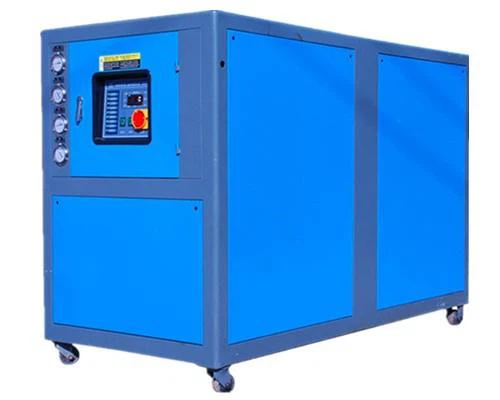
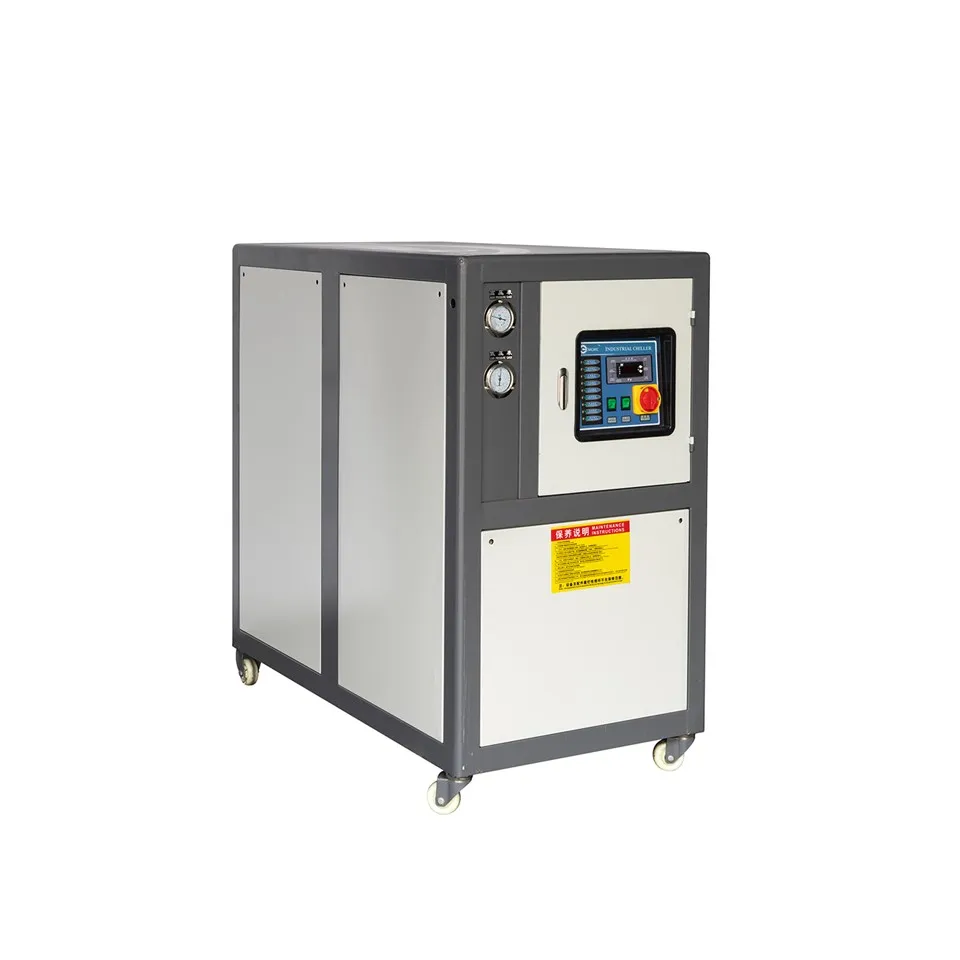
- Access the Control Panel: Most modern water cooled chillers come with a digital control panel. This is where you'll make the temperature adjustments. On the control panel, look for the temperature setting option. It might be labeled as "Set Temperature", "Target Temperature", or something similar.
- Set the Desired Temperature: Once you've found the temperature setting option, use the up and down arrows or the numeric keypad to set the temperature you want. For example, if your process requires a temperature of 10°C, set the target temperature to 10°C.
- Confirm the Setting: After setting the temperature, press the "Enter" or "Confirm" button on the control panel. The chiller will then start working to reach the new temperature.
Factors Affecting Temperature Adjustment
- Load on the Chiller: The amount of heat that the chiller needs to remove (the load) affects how quickly it can reach the set temperature. If the load is high, it might take longer for the chiller to cool the water to the desired temperature. You might need to adjust the chiller's capacity or the flow rate of the coolant to handle the load better.
- Ambient Temperature: The temperature of the surrounding environment also plays a role. If it's very hot outside, the chiller will have to work harder to maintain the set temperature. In such cases, you might need to set a slightly lower target temperature to account for the heat gain from the environment.
- Coolant Flow Rate: The flow rate of the coolant (usually water) through the chiller affects its cooling efficiency. If the flow rate is too low, the chiller might not be able to remove heat effectively. On the other hand, if the flow rate is too high, it can waste energy. You can adjust the flow rate using the valves on the coolant lines.
Advanced Temperature Control
Some water cooled chillers offer more advanced temperature control options. For example, you might be able to set a temperature range instead of a single temperature. This can be useful if your process can tolerate a small variation in temperature. You can also set up a schedule for temperature changes. For instance, if your process only needs cooling during certain hours of the day, you can program the chiller to adjust the temperature accordingly.
Troubleshooting Temperature Adjustment Issues
If you're having trouble getting the chiller to reach the set temperature, here are some things to check:
- Refrigerant Level: Low refrigerant levels can reduce the chiller's cooling capacity. Check the refrigerant gauge on the chiller. If the level is low, it might need to be recharged. However, refrigerant handling should be done by a qualified technician.
- Blocked Filters: Dirty or blocked filters can restrict the flow of air or water through the chiller, reducing its efficiency. Check and clean or replace the filters regularly.
- Faulty Sensors: The temperature sensors in the chiller might be malfunctioning. If the control panel shows a temperature that doesn't seem right, the sensors could be the problem. A technician can test and replace the sensors if necessary.
Our Product Range
We offer a wide range of water cooled chillers to suit different needs. If you're looking for a reliable and efficient chiller, check out our Scroll Air Cooled Water Chiller. It's a great option for many applications. For larger industrial setups, our Industrial Chiller Plant provides high - capacity cooling. And if you need a compact yet powerful chiller, our Hermetic Scroll/Piston Type 15HP Compressor Industrial Water Cooled Chiller is a top choice.
Contact Us for Purchasing
If you're interested in purchasing a water cooled chiller or have any questions about temperature adjustment or our products, feel free to get in touch. We're here to help you find the right chiller for your needs and ensure it operates at its best.
References
- ASHRAE Handbook of Refrigeration.
- Manufacturer's operating manuals for water cooled chillers.