

Hey there! As a supplier of Air Cooled Water Chillers, I've seen firsthand how crucial proper air - flow is for these machines. In this blog, I'm gonna share some tips on how to ensure proper air - flow around an air cooled water chiller.
Why is Proper Air - Flow Important?
First off, let's talk about why proper air - flow matters. Air cooled water chillers work by transferring heat from the chilled water to the surrounding air. If the air can't flow freely around the chiller, the heat transfer process gets disrupted. This means the chiller has to work harder to cool the water, which can lead to increased energy consumption and reduced efficiency. Over time, poor air - flow can also cause wear and tear on the chiller's components, leading to more frequent breakdowns and costly repairs.
Location, Location, Location
The first step in ensuring proper air - flow is choosing the right location for your chiller. You don't want to place it in a cramped corner or a space that's blocked by other equipment. Instead, look for an area that has plenty of open space around it.
Make sure there's at least 3 - 5 feet of clearance on all sides of the chiller. This will allow the hot air to escape easily and fresh air to enter. If possible, place the chiller outdoors where there's natural ventilation. But if you have to install it indoors, make sure the room has good ventilation systems, like exhaust fans or air ducts.
Keep the Area Clean
Another important thing is to keep the area around the chiller clean. Dust, dirt, and debris can accumulate on the chiller's coils and fins, blocking the air - flow. You should regularly inspect the chiller and clean any visible dirt or debris.
Use a soft brush or a compressed air canister to gently remove the dust from the coils and fins. You can also use a mild detergent and water to clean the exterior of the chiller, but make sure to dry it thoroughly afterwards. A clean chiller not only ensures better air - flow but also extends the lifespan of the machine.
Check the Fans
The fans on an air cooled water chiller play a vital role in air - flow. They're responsible for pulling in fresh air and pushing out the hot air. So, it's important to regularly check the fans to make sure they're working properly.
Look for any signs of damage, like bent blades or loose connections. If you notice any issues, replace the damaged parts as soon as possible. You should also check the fan speed and make sure it's set at the right level. A fan that's running too slow won't provide enough air - flow, while a fan that's running too fast can waste energy.
Use Air Deflectors
Air deflectors can be a great addition to your air cooled water chiller. They help to direct the air - flow in the right direction, ensuring that the hot air is expelled efficiently and the fresh air is drawn in properly.
You can install air deflectors on the sides or the top of the chiller. There are different types of air deflectors available, and you can choose the one that suits your chiller's design and your specific needs. They're relatively easy to install and can make a big difference in the air - flow around the chiller.
Consider the Surrounding Environment
The surrounding environment can also affect the air - flow around the chiller. For example, if there are strong winds in the area, it can disrupt the air - flow pattern. In such cases, you might need to take additional measures to protect the chiller.
You can install windbreaks or barriers around the chiller to reduce the impact of the wind. Also, if the area is prone to high humidity, it can cause condensation on the chiller's coils, which can block the air - flow. Make sure the chiller is properly insulated to prevent condensation.
Maintenance is Key
Regular maintenance is essential for ensuring proper air - flow around an air cooled water chiller. You should have a maintenance schedule in place and follow it strictly. This includes checking the air - flow, cleaning the components, and replacing any worn - out parts.
During maintenance, you can also perform some tests to measure the air - flow rate and the temperature differentials. This will help you to identify any potential issues early on and take corrective actions.
The Impact of Air - Flow on Chiller Performance
Proper air - flow has a direct impact on the performance of your air cooled water chiller. When the air - flow is good, the chiller can operate at its optimal efficiency. This means it can cool the water more effectively and use less energy.
On the other hand, poor air - flow can lead to a decrease in cooling capacity. The chiller might not be able to reach the desired temperature, which can affect the quality of your industrial processes. It can also cause the chiller to overheat, which can trigger safety shutdowns and disrupt your operations.
Different Types of Air Cooled Water Chillers
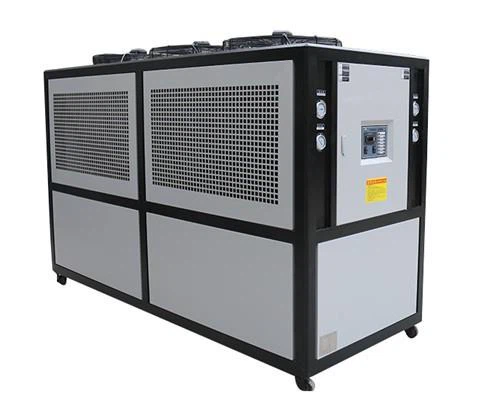
There are various types of air cooled water chillers available in the market, such as the Air Cooled Industrial Water Chiller. Each type has its own unique design and air - flow requirements.
For example, the Air Cooled Chiller Industrial Water Chiller is designed for industrial applications and might have larger fans and more complex air - flow systems. The Air Cooled Chiller 5 Ton Chiller is suitable for smaller applications and might have a more compact design. It's important to understand the specific air - flow needs of your chiller type to ensure optimal performance.
Conclusion
Ensuring proper air - flow around an air cooled water chiller is crucial for its performance, efficiency, and longevity. By choosing the right location, keeping the area clean, checking the fans, using air deflectors, considering the surrounding environment, and performing regular maintenance, you can ensure that your chiller operates at its best.
If you're in the market for an air cooled water chiller or need help with maintaining your existing one, don't hesitate to reach out. We're here to provide you with the best solutions and support. Contact us for more information and let's start a discussion about your specific requirements.

References
- ASHRAE Handbook - HVAC Systems and Equipment
- Manufacturer's manuals for air cooled water chillers