

Hey there! As a supplier of 10 Ton Chillers, I've seen firsthand how crucial proper air flow is for these machines. In this blog, I'm gonna share some tips on how to ensure your air - cooled 10 Ton Chiller gets the right amount of air.
First off, let's understand why proper air flow matters. An air - cooled chiller works by using air to remove heat from the refrigerant. If the air flow is poor, the chiller won't be able to cool effectively. This can lead to higher energy consumption, reduced lifespan of the chiller, and even breakdowns. So, getting the air flow right is super important.
Location, Location, Location
The first thing you need to consider is where you place your chiller. You should install it in an area with plenty of open space. Make sure there are no obstructions around the chiller, like walls, fences, or other equipment. A good rule of thumb is to leave at least 3 feet of clearance on all sides of the chiller. This allows air to circulate freely around the unit.
For example, if you place the chiller too close to a wall, the hot air that's expelled from the chiller will just bounce back and be re - drawn into the unit. This creates a hot air recirculation loop, which is bad news for the chiller's performance. So, pick a spot that gives the chiller room to breathe.
Keep the Condenser Coils Clean
The condenser coils in your air - cooled chiller are responsible for transferring heat from the refrigerant to the air. Over time, these coils can get dirty with dust, dirt, and debris. When this happens, the efficiency of the heat transfer is reduced, and the air flow can be restricted.
You should regularly clean the condenser coils. You can use a soft brush or a low - pressure air compressor to remove the dirt. If the coils are really dirty, you might need to use a coil cleaner. Just make sure to follow the manufacturer's instructions when using any cleaning products. A clean condenser coil allows air to flow smoothly over it, which helps the chiller work more efficiently.
Check the Fans
The fans in your air - cooled chiller are what move the air through the unit. If the fans aren't working properly, the air flow will be affected. You should regularly inspect the fans for any signs of damage, like bent blades or loose connections.
Make sure the fans are spinning freely and at the correct speed. If you notice any unusual noises or vibrations coming from the fans, it could be a sign of a problem. In some cases, you might need to replace the fan motor or the blades. A well - functioning fan is essential for maintaining proper air flow in the chiller.
Use the Right Ductwork
If you're using ductwork to direct the air to and from the chiller, it's important to make sure it's the right size and design. The ductwork should be large enough to allow for adequate air flow. If the ducts are too small, the air will be restricted, and the chiller won't work as efficiently.
Also, make sure the ductwork is properly sealed. Leaky ducts can cause air to escape, which reduces the amount of air that reaches the chiller. You can use duct tape or mastic sealant to seal any leaks in the ductwork.
Monitor the Air Flow
It's a good idea to regularly monitor the air flow in your chiller. You can use an anemometer to measure the air velocity at different points around the chiller. This will give you an idea of how well the air is flowing through the unit.
If you notice that the air flow is lower than normal, it could be a sign of a problem. You might need to check the condenser coils, the fans, or the ductwork to see if there's something blocking the air flow. By monitoring the air flow, you can catch problems early and prevent them from causing major issues.
Consider the Surrounding Environment
The environment around the chiller can also affect the air flow. For example, if the chiller is located in an area with high humidity, the air might be denser, which can make it harder for the chiller to move the air. In this case, you might need to adjust the fan speed or take other measures to ensure proper air flow.
Also, if there are strong winds in the area, it can either help or hinder the air flow. Strong winds can blow the hot air away from the chiller, which is good. But if the winds are blowing in the wrong direction, they can cause the hot air to recirculate. So, you need to take the surrounding environment into account when installing and operating the chiller.
Upgrade Your Chiller
If you're having persistent problems with air flow in your 10 Ton Chiller, you might want to consider upgrading to a newer model. Newer chillers often have better designs and features that improve air flow. For example, some chillers have more efficient fans or better - designed condenser coils.
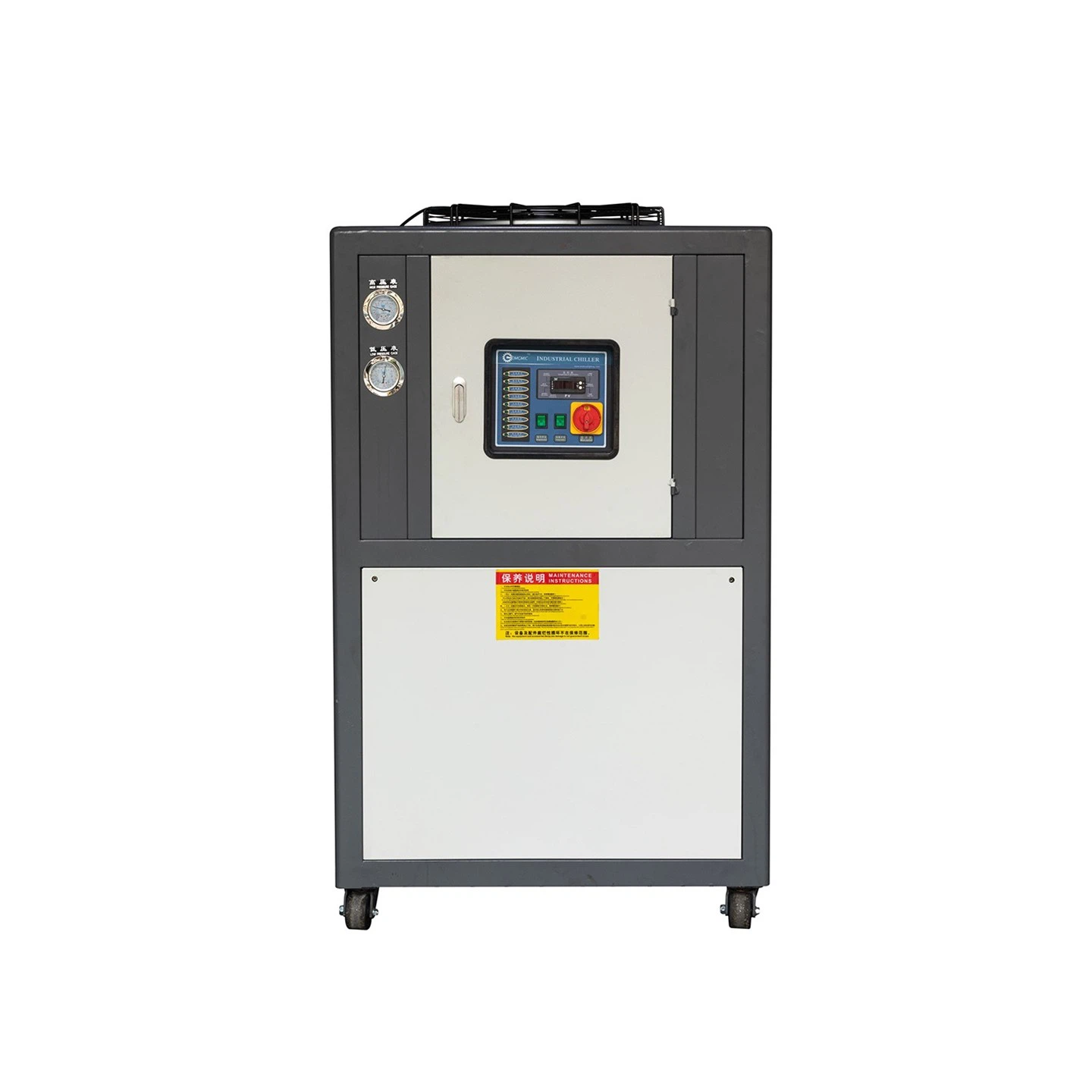
You can check out our Industrial Air Cooled Chiller and Scroll type Air Cooled Chiller for some great options. These chillers are designed to provide optimal air flow and energy efficiency.
Conclusion
Ensuring proper air flow in your air - cooled 10 Ton Chiller is essential for its performance and longevity. By following these tips, you can make sure your chiller gets the right amount of air and works at its best.
If you're in the market for a new chiller or need help with your existing one, don't hesitate to reach out. We're here to assist you with all your chiller needs. Whether you're looking for an Industrial Air Cooled Chiller, a Scroll type Air Cooled Chiller, or a Refrigerated Water Chiller, we've got you covered. Contact us today to start the procurement and negotiation process!

References
- ASHRAE Handbook of Refrigeration.
- Chiller manufacturer's installation and maintenance manuals.