

Hey there! I'm a supplier of air cooled water chillers, and I know firsthand how crucial it is to transport these machines safely. Air cooled water chillers are complex and expensive pieces of equipment, and any damage during transit can lead to significant losses. In this blog, I'll share some tips on how to transport an air cooled water chiller safely, based on my experience in the industry.
Pre - transport Preparation
Before you even think about moving the chiller, you need to do some thorough preparation. First off, you've got to check the chiller inside out. Make sure all the components are in good working order. Look for any loose parts, and if you find any, tighten them up. It's also a must - check that all the electrical connections are secure. Loose wires can not only cause malfunctions but also pose a safety risk.
Drain all the fluids from the chiller. Water and refrigerants can slosh around during transportation and cause internal damage. If there are any filters in the chiller, it's a good idea to remove and store them separately. This way, they won't get clogged or damaged during the move.
Next, you'll need to measure the chiller's dimensions accurately. This is important for choosing the right transportation method and ensuring that the chiller fits properly in the transport vehicle. You should also weigh the chiller. Knowing its weight helps in determining the appropriate lifting equipment and the vehicle's load - bearing capacity.
Choosing the Right Transportation Method
There are several transportation methods available, and choosing the right one depends on various factors like the size and weight of the chiller, the distance of the transport, and the budget.
Road Transport
For short - to medium - distance transportation, road transport is often the most convenient option. If you're using a truck, make sure it's in good condition. Check the tires, brakes, and suspension. The truck should have a flatbed or a trailer that can be secured properly. You can use a flatbed trailer for larger chillers as it provides a stable base.
When loading the chiller onto the truck, use a forklift or a crane. Make sure the lifting equipment is rated to handle the weight of the chiller. Attach the chiller to the trailer using strong straps or chains. You can find more about different types of chillers, like the Scroll Compressor Chiller, which might have specific transportation requirements, on our website.
Rail Transport
For longer distances, rail transport can be a cost - effective option. However, it requires more planning. You'll need to work with a rail freight company. They can help you with the loading and unloading processes. Similar to road transport, the chiller needs to be properly secured in the railcar. Make sure there are no sharp edges or protrusions inside the railcar that could damage the chiller.
Sea Transport
If you're shipping the chiller overseas, sea transport is the way to go. You'll need to pack the chiller in a shipping container. The container should be weather - proof and sturdy. Seal all the openings of the chiller to prevent water from getting in during the journey. When loading the container onto the ship, follow the shipping company's guidelines.
Securing the Chiller
Once you've chosen the transportation method, securing the chiller is of utmost importance. Use high - quality straps, chains, or ropes to hold the chiller in place. Make sure they are tightened properly so that the chiller doesn't move around during transit.
Place padding around the chiller. Foam or rubber padding can absorb shocks and vibrations. You can put it between the chiller and the transport surface, as well as around the edges of the chiller. This helps protect it from scratches and dents.
If possible, use custom - made cradles or fixtures. These are designed to fit the chiller perfectly and provide extra support. They can prevent the chiller from tipping over or shifting during transportation.
Protecting the Chiller from the Elements
Weather conditions can have a big impact on the chiller during transportation. If it's raining or snowing, cover the chiller with a waterproof tarp. Make sure the tarp is secured tightly so that it doesn't blow off.
Extreme temperatures can also affect the chiller. In hot weather, the chiller can overheat if it's not properly ventilated. You might need to provide some form of ventilation during transport. In cold weather, the fluids in the chiller can freeze. Make sure all the fluids are drained, or use anti - freeze solutions if necessary.
Monitoring the Transport
It's a good idea to monitor the chiller during transportation. You can use tracking devices to keep an eye on its location. Some advanced tracking devices can also monitor temperature, humidity, and shock levels. This way, you can be alerted if there are any issues during the journey.
If you're using a third - party transportation service, communicate with them regularly. Ask for updates on the status of the shipment. Make sure they are following all the safety procedures.
Unloading and Installation
Once the chiller arrives at its destination, unloading it safely is just as important as transporting it. Use the same lifting equipment as you did for loading. Make sure the unloading area is flat and stable.

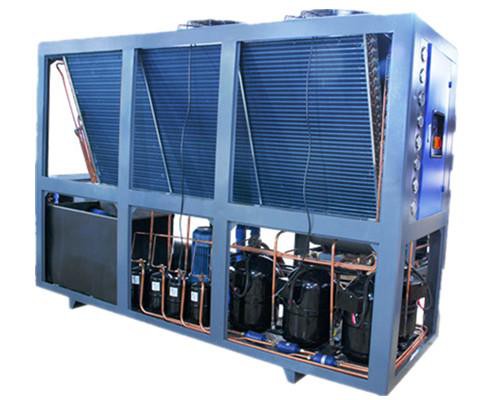
After unloading, install the chiller according to the manufacturer's instructions. Reconnect all the electrical and fluid connections. Test the chiller to make sure it's working properly.
Cost Considerations
Transporting an air cooled water chiller can be expensive. The cost depends on the transportation method, distance, and the size of the chiller. However, it's important not to cut corners on safety. Investing in proper transportation and safety measures can save you a lot of money in the long run by preventing damage to the chiller. You can find more information about the cost aspects, like Air Cooled Water Chiller Price, on our website.
Why Choose Us
As an experienced Air Cooled Water Chiller supplier, we have a deep understanding of the transportation process. We work with reliable transportation partners who are well - versed in handling these types of equipment. We also offer comprehensive support from the moment you purchase the chiller to its installation.
If you're in the market for an air cooled water chiller or need more information about transportation, don't hesitate to get in touch. We're here to help you make the right decisions and ensure a smooth and safe transportation process. We're also one of the leading Industrial Water Chiller Manufacturers, and we pride ourselves on the quality of our products.
References
- "Industrial Refrigeration Handbook" by David Didion
- "Transportation Safety Guidelines for Heavy Equipment" by the National Transportation Safety Board
So, if you're thinking about buying an air cooled water chiller, remember these transportation tips. And if you have any questions or are ready to make a purchase, just reach out to us. We'll be happy to assist you through the whole process.