

As a supplier of water cooled chillers, I've encountered numerous cases where customers report abnormal noises from their equipment. These noises can be a sign of various underlying issues, and troubleshooting them effectively is crucial to ensure the optimal performance and longevity of the chiller. In this blog post, I'll share some insights on how to troubleshoot a water cooled chiller with abnormal noise.
Understanding the Basics of Water Cooled Chillers
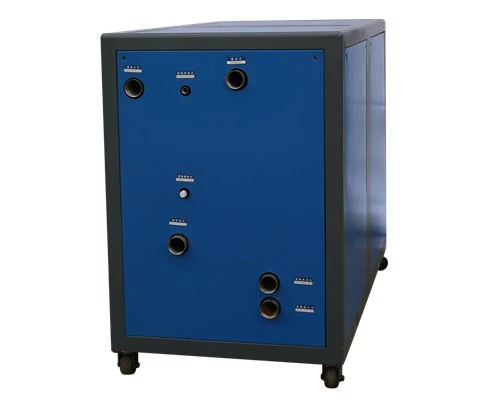
Before diving into troubleshooting, it's essential to have a basic understanding of how water cooled chillers work. A water cooled chiller is a refrigeration system that removes heat from a process or space by circulating chilled water through a heat exchanger. The chiller consists of several key components, including a compressor, condenser, evaporator, and expansion valve. The compressor compresses the refrigerant gas, raising its temperature and pressure. The hot refrigerant then flows through the condenser, where it releases heat to the cooling water. The cooled refrigerant then passes through the expansion valve, where its pressure is reduced, causing it to evaporate and absorb heat from the chilled water in the evaporator. The chilled water is then circulated back to the process or space to remove heat.
Common Causes of Abnormal Noise in Water Cooled Chillers
There are several common causes of abnormal noise in water cooled chillers. Here are some of the most frequent culprits:
1. Compressor Issues
The compressor is the heart of the chiller, and any problems with it can result in abnormal noise. Some common compressor issues include:

- Worn bearings: Over time, the bearings in the compressor can wear out, causing a grinding or whining noise.
- Loose belts or pulleys: If the belts or pulleys on the compressor are loose, they can cause a rattling or squealing noise.
- Compressor motor problems: Issues with the compressor motor, such as a faulty capacitor or a worn-out motor, can also lead to abnormal noise.
2. Fan and Pump Problems
The fans and pumps in the chiller are responsible for circulating the cooling water and air. If these components are not functioning properly, they can generate noise. Some common fan and pump problems include:
- Loose fan blades: Loose fan blades can cause a rattling or vibrating noise.
- Worn pump bearings: Similar to compressor bearings, pump bearings can wear out over time, resulting in a grinding noise.
- Air in the pump: If there is air in the pump, it can cause a cavitation noise, which sounds like popping or crackling.
3. Refrigerant Issues
Problems with the refrigerant can also cause abnormal noise in the chiller. Some common refrigerant issues include:
- Refrigerant leaks: A refrigerant leak can cause a hissing or whistling noise as the refrigerant escapes from the system.
- Overcharged or undercharged refrigerant: If the refrigerant charge is too high or too low, it can cause the compressor to operate inefficiently and generate noise.
4. Structural Issues
Sometimes, the noise may be coming from the chiller's structure itself. Some common structural issues include:
- Loose bolts or screws: Loose bolts or screws can cause the chiller to vibrate and generate noise.
- Damaged or misaligned components: If any of the components in the chiller are damaged or misaligned, they can cause abnormal noise.
Troubleshooting Steps
Now that we've identified some of the common causes of abnormal noise in water cooled chillers, let's discuss the troubleshooting steps you can take to diagnose and fix the problem.
1. Conduct a Visual Inspection
The first step in troubleshooting is to conduct a visual inspection of the chiller. Look for any obvious signs of damage, such as loose belts, worn bearings, or refrigerant leaks. Check the fan blades and pump for any signs of damage or misalignment. Also, make sure all the bolts and screws are tightened.
2. Listen for the Source of the Noise
Try to pinpoint the source of the noise by listening carefully to the chiller. Is the noise coming from the compressor, the fans, the pumps, or somewhere else? This can help you narrow down the possible causes of the problem.
3. Check the Compressor
If the noise is coming from the compressor, check the following:
- Belt tension: Make sure the belts on the compressor are properly tensioned. If they are too loose, they can cause a rattling noise.
- Bearing condition: Inspect the compressor bearings for signs of wear. If the bearings are worn, they will need to be replaced.
- Motor operation: Check the compressor motor for any signs of overheating or abnormal operation. If the motor is faulty, it may need to be repaired or replaced.
4. Examine the Fans and Pumps
If the noise is coming from the fans or pumps, check the following:
- Fan blade condition: Inspect the fan blades for any signs of damage or looseness. If the blades are damaged or loose, they will need to be replaced or tightened.
- Pump bearing condition: Check the pump bearings for signs of wear. If the bearings are worn, they will need to be replaced.
- Air in the pump: If you suspect there is air in the pump, try bleeding the air out of the system.
5. Check the Refrigerant System
If the noise is related to the refrigerant system, check the following:
- Refrigerant level: Use a refrigerant gauge to check the refrigerant level in the system. If the level is too high or too low, adjust it accordingly.
- Refrigerant leaks: Look for any signs of refrigerant leaks, such as oil stains or hissing sounds. If you find a leak, repair it as soon as possible.
6. Address Structural Issues
If the noise is coming from the chiller's structure, check the following:
- Tighten loose bolts and screws: Make sure all the bolts and screws on the chiller are tightened.
- Align components: If any of the components in the chiller are misaligned, realign them to ensure proper operation.
When to Seek Professional Help
While some minor noise issues can be resolved through DIY troubleshooting, there are times when it's best to seek professional help. Here are some situations where you should contact a qualified technician:
- You are unsure of the cause of the noise: If you can't determine the source of the noise or if you're not familiar with the chiller's components, it's best to have a professional diagnose the problem.
- The noise is accompanied by other symptoms: If the abnormal noise is accompanied by other symptoms, such as reduced cooling capacity, high energy consumption, or refrigerant leaks, it could indicate a more serious problem that requires professional attention.
- You don't have the necessary tools or skills: Troubleshooting a water cooled chiller requires specialized tools and knowledge. If you don't have the necessary tools or skills, it's best to leave the job to a professional.
Conclusion
Abnormal noise in a water cooled chiller can be a sign of various underlying issues. By following the troubleshooting steps outlined in this blog post, you can diagnose and fix many of the common causes of abnormal noise. However, if you're unsure of the cause of the noise or if the problem persists after troubleshooting, it's best to seek professional help. As a [Your Company] supplier of water cooled chillers, we have the expertise and experience to help you with any chiller-related issues. If you're experiencing abnormal noise in your water cooled chiller or if you're interested in purchasing a new chiller, please don't hesitate to [Contact Information]. We offer a wide range of Industrial Water Chiller, Air Cooled And Water Cooled Chillers, and Water Cooled Scroll Chiller to meet your specific needs.
References
- ASHRAE Handbook - Refrigeration. American Society of Heating, Refrigerating and Air-Conditioning Engineers.
- Chiller Maintenance and Troubleshooting Guide. Manufacturer's Manual.