

Hey there! As a supplier of water cooled chillers, I've been in the industry long enough to know that while these machines are super useful, they're not without their drawbacks. In this blog, I'm gonna share some of the disadvantages of water cooled chillers that you should keep in mind before making a purchase.
High Initial Cost
One of the first things you'll notice when looking into water cooled chillers is the high upfront cost. Compared to air cooled chillers, water cooled ones require more complex components and installation processes. You're not just buying the chiller unit itself; you also need to invest in a cooling tower, pumps, and a water treatment system. For example, a Water Cooled Scroll Chiller might seem like a great option, but the additional equipment and installation can really add up. This can be a major deterrent for small businesses or those on a tight budget.
Complex Installation
Installing a water cooled chiller is no walk in the park. It involves a lot of technical know - how and proper planning. You need to have a suitable location with enough space for the chiller, cooling tower, and associated piping. The cooling tower needs to be installed in an area with good air circulation to function effectively. And then there's the plumbing work. You have to connect the chiller to the water source, the cooling tower, and the process that needs cooling. Any mistakes during the installation can lead to inefficiencies or even system failures down the line. For instance, improper piping can cause water flow issues, which will affect the chiller's performance.
High Water Consumption
Water cooled chillers use a significant amount of water. The cooling process relies on water to absorb and transfer heat away from the system. This continuous water usage can be a problem, especially in areas where water is scarce or where water costs are high. For an Industrial Water Chiller, the water consumption can be even more substantial due to the larger scale of operation. Not only does this increase your operational costs, but it also has environmental implications. With water being a precious resource, using large amounts of it for cooling purposes might not be the most sustainable option.
Maintenance Requirements
Maintenance is a big deal when it comes to water cooled chillers. They have more components than air cooled chillers, which means there are more things that can go wrong. The cooling tower, for example, needs regular cleaning to prevent the growth of algae and bacteria. If not maintained properly, these organisms can clog the system and reduce its efficiency. The water treatment system also requires constant monitoring and adjustment to ensure the water quality is suitable for the chiller. Scale and corrosion can build up in the pipes and heat exchangers over time, which can lead to reduced heat transfer and increased energy consumption. And let's not forget about the pumps. They need to be inspected regularly for leaks and proper functioning. All this maintenance work takes time and money.
Risk of Water Leaks
Since water cooled chillers deal with large volumes of water, there's always a risk of leaks. A leak can cause damage to the chiller itself, as well as the surrounding area. Water can seep into electrical components, leading to short circuits and potentially dangerous situations. It can also cause structural damage if it goes undetected for a long time. For a Water Cooled Water Chiller, a small leak can quickly turn into a big problem if not addressed promptly. You need to have a proper leak detection system in place and be vigilant about checking for any signs of water leakage.
Energy Consumption
Although water cooled chillers are generally more energy - efficient than air cooled chillers in some cases, they still consume a significant amount of energy. The pumps that circulate the water and the fans in the cooling tower require power to operate. If the chiller is not properly sized or maintained, its energy consumption can be even higher. Inefficient heat transfer due to scale build - up or clogged pipes can force the chiller to work harder, which means more energy is used. And with energy costs on the rise, this can have a big impact on your bottom line.
Dependence on External Factors
Water cooled chillers are highly dependent on external factors such as the quality of the water source and the ambient conditions. If the water source has a high level of impurities, it can cause problems in the chiller system. Hard water, for example, can lead to scale formation, which reduces the efficiency of the heat exchangers. The performance of the cooling tower is also affected by the ambient temperature and humidity. On hot and humid days, the cooling tower may not be able to cool the water as effectively, which can put additional stress on the chiller.
Environmental Impact
As I mentioned earlier, the high water consumption of water cooled chillers is an environmental concern. In addition, the chemicals used in the water treatment system can have a negative impact on the environment if not disposed of properly. These chemicals are used to prevent the growth of organisms and control scale and corrosion, but they can be harmful to aquatic life if they end up in water bodies. The energy consumption of the chiller also contributes to greenhouse gas emissions, especially if the electricity is generated from non - renewable sources.
Despite all these disadvantages, water cooled chillers still have their place in many industries. They offer high cooling capacities and can be more efficient in certain situations. But it's important to weigh the pros and cons before making a decision.

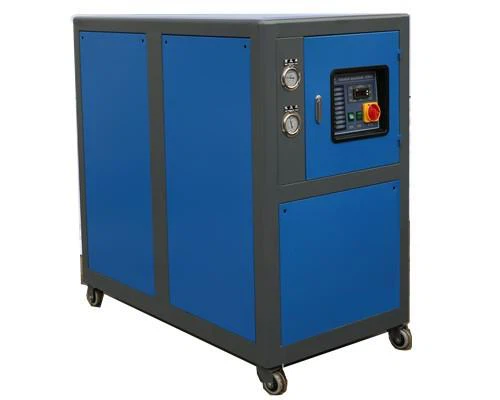
If you're still interested in learning more about water cooled chillers or are thinking about making a purchase, I'd love to have a chat with you. We can discuss your specific needs and see if a water cooled chiller is the right fit for your business. Feel free to reach out to me to start the conversation.
References
- ASHRAE Handbook of HVAC Systems and Equipment.
- Chiller Manufacturer's Technical Manuals.
- Industry Reports on Cooling System Efficiency and Maintenance.