

When it comes to air cooled chiller systems, high altitude operations bring a unique set of challenges and considerations. As a trusted supplier of Scroll Compressor Chiller, Industrial Chiller System, and Industrial Water Air Cooled Chiller, we have in - depth knowledge of how altitude can impact these systems. In this blog, we'll explore the various factors that need to be taken into account when using air cooled chillers at high altitudes.
Air Density and Cooling Capacity
One of the most significant effects of high altitude is the decrease in air density. As altitude increases, the air becomes thinner, which directly affects the performance of an air cooled chiller system. The cooling capacity of an air cooled chiller is largely dependent on the heat transfer process between the refrigerant in the condenser and the surrounding air.
At lower air densities, the amount of air that can come into contact with the condenser coils per unit time is reduced. This means that the heat transfer rate is lower, and the chiller has a harder time dissipating heat. As a result, the cooling capacity of the chiller decreases. For example, at an altitude of 1500 meters, the air density is approximately 15% lower than at sea level. This reduction in air density can lead to a significant drop in the chiller's cooling capacity, potentially up to 10 - 15%.
To compensate for this decrease in cooling capacity, it may be necessary to select a larger - sized chiller than would be required at sea level. When sizing an air cooled chiller for high - altitude applications, it's crucial to work with an experienced supplier who can accurately calculate the required capacity based on the specific altitude and operating conditions.
Compressor Performance
The compressor is the heart of an air cooled chiller system, and high altitude can have a profound impact on its performance. The compressor works by compressing the refrigerant gas, which raises its pressure and temperature. At high altitudes, the lower air density can cause the compressor to work harder to achieve the same pressure ratios.
The compressor's motor may also be affected by the thinner air. The motor relies on air for cooling, and the reduced air density means that there is less air available to carry away the heat generated by the motor. This can lead to overheating of the motor, which can cause premature failure if not addressed.
Some compressors are designed with features to help mitigate these issues at high altitudes. For example, variable - speed compressors can adjust their operating speed based on the actual load and the ambient conditions. This allows the compressor to operate more efficiently at high altitudes, reducing the risk of overheating and improving overall system performance.
Fan Performance
The fans in an air cooled chiller system are responsible for moving air across the condenser coils to facilitate heat transfer. At high altitudes, the performance of the fans is also affected by the lower air density.
The fan's ability to move air is determined by its design and the power input. However, the thinner air means that the fan has to work harder to move the same volume of air. This can lead to increased power consumption and reduced fan efficiency. In some cases, the fan may not be able to move enough air to maintain the required heat transfer rate, further reducing the chiller's cooling capacity.
To address these issues, it may be necessary to use larger - sized fans or fans with higher - power motors. Additionally, fans can be designed with aerodynamic features to improve their performance at high altitudes. For example, fans with optimized blade designs can move more air with less power, improving overall system efficiency.
Refrigerant Pressure and Temperature
The refrigerant pressure and temperature in an air cooled chiller system are also affected by high altitude. The lower air density at high altitudes can cause the refrigerant pressure to be lower than at sea level. This can affect the operation of the expansion valve, which is responsible for regulating the flow of refrigerant into the evaporator.
If the refrigerant pressure is too low, the expansion valve may not open properly, leading to insufficient refrigerant flow into the evaporator. This can result in reduced cooling capacity and poor system performance. On the other hand, if the pressure is too high, it can cause damage to the compressor and other components.
It's important to ensure that the refrigerant system is properly designed and maintained for high - altitude applications. This may involve adjusting the refrigerant charge and the settings of the expansion valve to ensure optimal performance at the specific altitude.
Electrical System Considerations
The electrical system of an air cooled chiller is another area that requires special attention at high altitudes. The lower air density can affect the insulation properties of the electrical components. In a high - altitude environment, the air is a less effective insulator, which means that there is a higher risk of electrical arcing and short - circuits.
Electrical enclosures and components need to be designed to withstand the specific conditions at high altitudes. This may involve using higher - rated insulation materials and ensuring proper sealing to prevent the ingress of dust and moisture. Additionally, the electrical system should be regularly inspected and maintained to detect and address any potential issues before they cause a failure.
Maintenance Requirements
High - altitude operation also places additional demands on the maintenance of an air cooled chiller system. The harsher operating conditions can cause components to wear out more quickly, and the system may be more prone to issues such as overheating and electrical problems.
Regular maintenance is essential to ensure the reliable operation of the chiller at high altitudes. This includes cleaning the condenser coils to remove dirt and debris, checking the refrigerant levels and pressures, and inspecting the electrical components for signs of wear or damage. It's also important to follow the manufacturer's recommended maintenance schedule and use only genuine replacement parts.
Conclusion
In conclusion, high - altitude operation of air cooled chiller systems presents a number of challenges that need to be carefully considered. From reduced cooling capacity and compressor performance to fan efficiency and electrical system issues, every aspect of the chiller system can be affected by the lower air density at high altitudes.

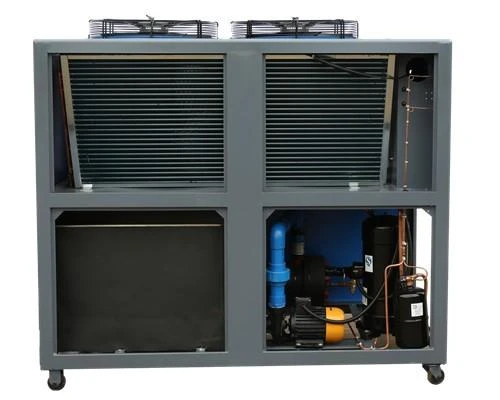
As a leading supplier of Scroll Compressor Chiller, Industrial Chiller System, and Industrial Water Air Cooled Chiller, we have the expertise and experience to help you select the right chiller for your high - altitude application. Our team of experts can work with you to accurately size the chiller, select the appropriate components, and provide ongoing support and maintenance.
If you're considering an air cooled chiller system for a high - altitude location, we encourage you to reach out to us. Our sales team is ready to discuss your specific requirements and provide you with a customized solution. Contact us today to start the conversation about your chiller needs.
References
ASHRAE Handbook - HVAC Systems and Equipment. American Society of Heating, Refrigerating and Air - Conditioning Engineers.
Dossat, R. J. (1991). Principles of Refrigeration. Prentice - Hall.
Stoecker, W. F., & Jones, J. W. (1982). Refrigeration and Air Conditioning. McGraw - Hill.