

Hey there! As a supplier of screw air compressors, I've seen a lot of different setups and accessories over the years. Screw air compressors are super versatile and can be used in a ton of industries, from manufacturing to construction. But to get the most out of your compressor, you'll often need to pair it with some essential accessories. In this blog, I'm gonna walk you through the common accessories for a screw air compressor and explain why they're so important.
Air Filters
First up, air filters. These bad boys are crucial for keeping your compressor running smoothly. When the compressor sucks in air, it also picks up dust, dirt, and other contaminants. If these particles get into the compressor, they can cause all sorts of problems, like wear and tear on the internal components and reduced efficiency. That's where air filters come in. They trap these contaminants before they can reach the compressor, ensuring clean air enters the system.
There are different types of air filters available, with varying levels of filtration. For most industrial applications, you'll want a high-quality filter that can remove even the smallest particles. Regularly replacing your air filter is also key to maintaining its effectiveness. A clogged filter can restrict airflow, making the compressor work harder and consume more energy. So, don't forget to check and replace your air filter as recommended by the manufacturer.
Oil Separators
If you're using an Oil-injected Screw Compressors, oil separators are a must-have accessory. These separators are designed to separate the oil from the compressed air. In an oil-injected compressor, oil is used to lubricate, cool, and seal the compression chamber. But you don't want that oil to end up in your compressed air system, as it can contaminate your end products or damage downstream equipment.
Oil separators work by using a combination of mechanical and coalescing methods to separate the oil droplets from the air. The separated oil is then returned to the compressor's oil sump for reuse. A good oil separator can achieve a very high level of separation efficiency, ensuring that the compressed air is virtually oil-free. Just like air filters, oil separators need to be maintained regularly to prevent clogging and ensure optimal performance.
Aftercoolers
Aftercoolers are another important accessory for screw air compressors. When air is compressed, its temperature rises significantly. High-temperature compressed air can cause problems in your pneumatic system, such as reducing the efficiency of downstream equipment and increasing the risk of corrosion. An aftercooler cools down the compressed air to a more manageable temperature before it enters the air distribution system.
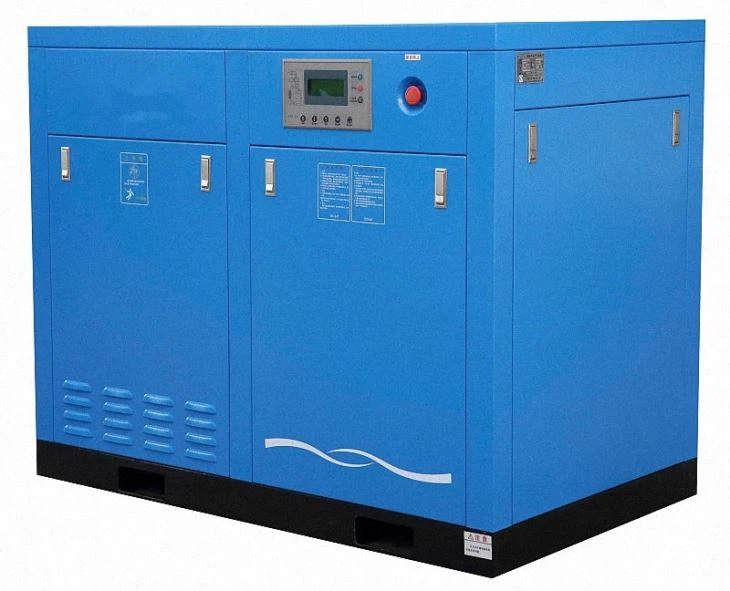
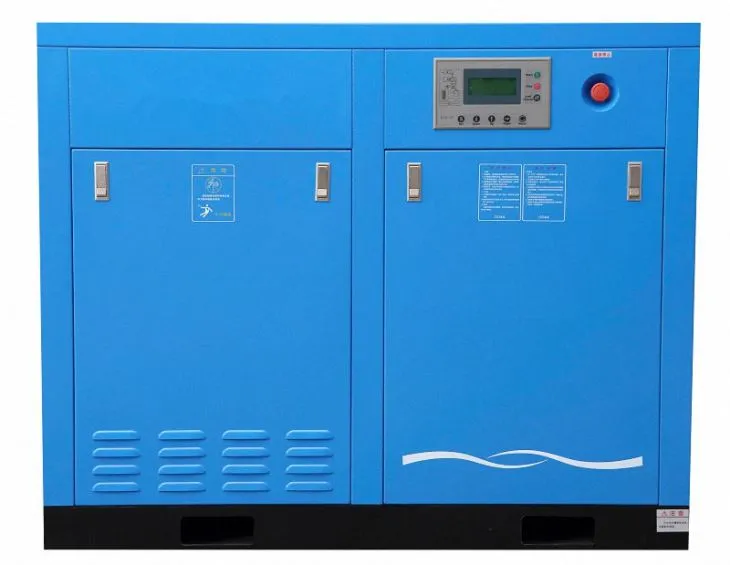
There are two main types of aftercoolers: air-cooled and water-cooled. Air-cooled aftercoolers use ambient air to cool the compressed air, while water-cooled aftercoolers use water as the cooling medium. The choice between the two depends on factors like the available space, the cooling requirements, and the local climate. An effective aftercooler can not only improve the performance of your pneumatic system but also extend the lifespan of your equipment.
Dryers
Once the compressed air has been cooled by the aftercooler, it still contains a significant amount of moisture. This moisture can lead to rust, corrosion, and damage to your pneumatic tools and equipment. That's where dryers come in. Dryers remove the moisture from the compressed air, ensuring that the air in your system is dry and clean.
There are several types of dryers available, including refrigerated dryers, desiccant dryers, and membrane dryers. Refrigerated dryers are the most common type and work by cooling the compressed air to condense the moisture, which is then drained away. Desiccant dryers use a desiccant material to adsorb the moisture from the air, achieving a much lower dew point. Membrane dryers use a semi-permeable membrane to separate the moisture from the air. The type of dryer you choose depends on your specific requirements, such as the desired dew point and the flow rate of the compressed air.
Pressure Regulators
Pressure regulators are essential for controlling the pressure of the compressed air in your system. Different pneumatic tools and equipment require different operating pressures, and a pressure regulator allows you to adjust the pressure to meet these requirements. Without a pressure regulator, the pressure in your system could fluctuate, causing damage to your equipment or affecting the quality of your end products.
A pressure regulator works by reducing the high-pressure air from the compressor to a lower, more stable pressure. It typically consists of a valve that opens and closes to maintain the desired pressure. When choosing a pressure regulator, make sure it has a sufficient flow capacity to meet the demands of your system. Also, regularly check and calibrate your pressure regulator to ensure accurate pressure control.
Air Receivers
Air receivers, also known as air tanks, are used to store compressed air. They act as a buffer between the compressor and the pneumatic system, helping to smooth out pressure fluctuations and provide a reserve of compressed air. When the demand for compressed air suddenly increases, the air receiver can supply the additional air without overloading the compressor.
Air receivers come in different sizes and shapes, depending on your specific needs. The size of the air receiver you need depends on factors like the flow rate of the compressor, the peak demand of your system, and the available space. A properly sized air receiver can improve the efficiency of your compressor and reduce the wear and tear on the equipment. It's also important to install safety valves on the air receiver to prevent overpressure.
Piping and Fittings
The piping and fittings in your compressed air system are just as important as the compressor and its accessories. They are responsible for transporting the compressed air from the compressor to the point of use. Using the right type of piping and fittings is crucial for ensuring a leak-free and efficient system.
For most industrial applications, steel or aluminum piping is commonly used. Steel piping is strong and durable but can be prone to corrosion if not properly coated. Aluminum piping is lightweight, corrosion-resistant, and easy to install. When selecting fittings, make sure they are compatible with the piping material and the operating pressure of your system. Leaks in the piping system can waste a significant amount of energy, so it's important to regularly inspect and maintain your piping and fittings.
Control Systems
Modern screw air compressors often come with advanced control systems that allow you to monitor and control the operation of the compressor. These control systems can adjust the compressor's speed, pressure, and other parameters based on the demand for compressed air, optimizing the energy efficiency of the system.
Some control systems also offer features like remote monitoring and diagnostics, allowing you to keep an eye on the compressor's performance from anywhere. They can alert you to potential problems before they become serious, reducing downtime and maintenance costs. When choosing a compressor, consider the type of control system it comes with and whether it meets your specific requirements.
In conclusion, these are some of the most common accessories for a screw air compressor. Each accessory plays a vital role in ensuring the efficient and reliable operation of your compressor and pneumatic system. By investing in high-quality accessories and maintaining them properly, you can extend the lifespan of your equipment, improve the quality of your end products, and save energy and money in the long run.
If you're in the market for a 150 Psi Air Compressor or an Industrial Air Compressor, or if you need any of the accessories mentioned above, I'd love to help. We offer a wide range of high-quality screw air compressors and accessories to meet your specific needs. Feel free to reach out to us for more information or to discuss your requirements. Let's work together to find the perfect solution for your business!
References
- Compressed Air and Gas Institute (CAGI). Standards and guidelines for compressed air systems.
- Manufacturer's manuals for screw air compressors and related accessories.