

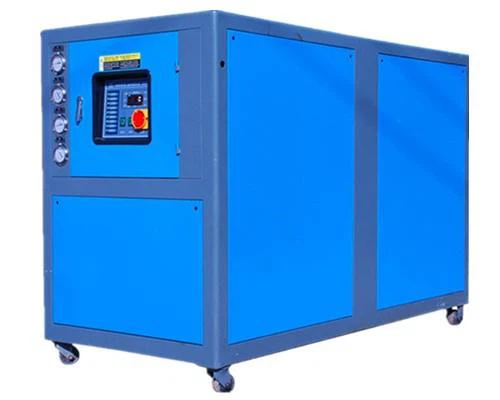
In industrial applications, water cooled chiller units are widely used for their efficient cooling capabilities. However, when these units operate in a corrosive environment, they face significant challenges that can compromise their performance and lifespan. As a reputable water cooled chiller unit supplier, we understand the importance of implementing effective protection measures to ensure the longevity and reliability of our products. In this blog, we will explore the various protection measures for water cooled chiller units in a corrosive environment.
Understanding the Corrosive Environment
Before delving into the protection measures, it is crucial to understand the nature of the corrosive environment. Corrosion can be caused by various factors, including chemical substances, high humidity, and extreme temperatures. In industrial settings, common corrosive agents include acids, alkalis, salts, and oxidizing agents. These substances can react with the materials of the chiller unit, leading to degradation, leakage, and ultimately, system failure.
Material Selection
One of the primary protection measures for water cooled chiller units in a corrosive environment is the careful selection of materials. When designing and manufacturing our chiller units, we prioritize the use of corrosion-resistant materials. For example, the condenser and evaporator coils are often made of copper-nickel alloys or stainless steel, which offer excellent resistance to corrosion. These materials can withstand the harsh conditions of a corrosive environment and prevent the formation of rust and scale.
In addition to the coils, other components such as the pipes, tanks, and frames are also constructed from corrosion-resistant materials. Polyvinyl chloride (PVC) and fiberglass-reinforced plastic (FRP) are commonly used for pipes and tanks due to their high chemical resistance. The frames are often coated with a protective layer of paint or powder coating to prevent rust and corrosion.
Coating and Lining
Another effective protection measure is the application of coatings and linings to the surfaces of the chiller unit. Coatings can provide an additional layer of protection against corrosion by creating a barrier between the metal surface and the corrosive environment. There are various types of coatings available, including epoxy, polyurethane, and ceramic coatings. These coatings can be applied to the exterior and interior surfaces of the chiller unit, including the coils, pipes, and tanks.
Linings are also commonly used to protect the internal surfaces of tanks and pipes. Rubber linings, for example, can provide excellent resistance to abrasion and corrosion. They are often used in applications where the chiller unit is exposed to highly corrosive chemicals or abrasive substances.
Water Treatment
Proper water treatment is essential for the protection of water cooled chiller units in a corrosive environment. The quality of the water used in the chiller system can have a significant impact on the corrosion rate. Hard water, for example, contains high levels of calcium and magnesium ions, which can form scale on the surfaces of the coils and pipes. Scale can reduce the heat transfer efficiency of the chiller unit and increase the risk of corrosion.
To prevent scale formation and corrosion, we recommend the use of water treatment chemicals. These chemicals can be used to adjust the pH level of the water, inhibit the growth of bacteria and algae, and prevent the formation of scale and rust. Water treatment systems, such as water softeners and reverse osmosis systems, can also be installed to remove impurities from the water and improve its quality.

Monitoring and Maintenance
Regular monitoring and maintenance are crucial for the early detection and prevention of corrosion in water cooled chiller units. We recommend conducting regular inspections of the chiller unit to check for signs of corrosion, such as rust, pitting, and leakage. The water quality should also be monitored regularly to ensure that it meets the recommended standards.
In addition to inspections, regular maintenance tasks such as cleaning, lubrication, and filter replacement should be performed to keep the chiller unit in good working condition. The coils and pipes should be cleaned periodically to remove any dirt, debris, or scale that may have accumulated on their surfaces. The lubrication of moving parts can help to reduce friction and wear, while the replacement of filters can prevent the accumulation of contaminants in the system.
Case Studies
To illustrate the effectiveness of these protection measures, let's take a look at some real-world case studies. In a chemical processing plant, a water cooled chiller unit was installed in a highly corrosive environment. The chiller unit was constructed using corrosion-resistant materials, including copper-nickel alloy coils and stainless steel pipes. The surfaces of the unit were also coated with an epoxy coating to provide an additional layer of protection.
After several years of operation, the chiller unit showed no signs of corrosion or degradation. The water treatment system was regularly maintained, and the water quality was monitored to ensure that it met the recommended standards. The regular inspections and maintenance tasks helped to identify and address any potential issues before they could cause significant damage to the unit.
In another case, a food processing plant installed a Scroll Air Cooled Water Chiller in a humid environment. The chiller unit was equipped with a rubber lining on the internal surfaces of the tanks and pipes to prevent corrosion. The water treatment system was also installed to remove impurities from the water and prevent the formation of scale.
Over time, the chiller unit continued to operate efficiently, and there were no reports of corrosion or leakage. The regular monitoring and maintenance tasks ensured that the unit was in good working condition and that any potential issues were addressed promptly.
Conclusion
In conclusion, protecting water cooled chiller units in a corrosive environment requires a comprehensive approach that includes material selection, coating and lining, water treatment, monitoring, and maintenance. As a water cooled chiller unit supplier, we are committed to providing our customers with high-quality products that are designed to withstand the harsh conditions of a corrosive environment.
By implementing these protection measures, we can help our customers extend the lifespan of their chiller units, reduce maintenance costs, and improve the overall efficiency of their cooling systems. If you are in the market for a water cooled chiller unit for a corrosive environment, we invite you to explore our range of products, including the Hermetic Scroll/Piston Type 15HP Compressor Industrial Water Cooled Chiller and the Small Water Chiller.
If you have any questions or would like to discuss your specific requirements, please do not hesitate to contact us. Our team of experts is ready to assist you in selecting the right water cooled chiller unit for your application and providing you with the necessary support and guidance.
References
- ASHRAE Handbook - Refrigeration. American Society of Heating, Refrigerating and Air-Conditioning Engineers.
- Corrosion Handbook. McGraw-Hill Professional.
- Water Treatment Handbook. Elsevier.