

As a supplier of oilless air compressors, I've witnessed firsthand the critical role that frequency plays in the performance of these machines. Oilless air compressors are widely used in various industries, from medical and food processing to electronics manufacturing, where oil contamination is a major concern. Understanding the impact of frequency on their performance is essential for ensuring optimal operation and efficiency.
Understanding Frequency in Oilless Air Compressors
Frequency, in the context of an oilless air compressor, refers to the number of times the compressor's piston or diaphragm moves back and forth in a given period, typically measured in Hertz (Hz). In most power grids around the world, the standard frequency is either 50 Hz or 60 Hz. This frequency determines the speed at which the compressor motor runs and, consequently, the rate at which air is compressed.
Impact on Compression Efficiency
One of the most significant impacts of frequency on the performance of an oilless air compressor is its effect on compression efficiency. Compression efficiency is a measure of how effectively the compressor converts electrical energy into compressed air energy. At the standard operating frequency, the compressor is designed to operate at its peak efficiency.
When the frequency deviates from the standard, the compressor's motor speed changes accordingly. If the frequency is lower than the rated frequency, the motor runs slower, and the compressor takes longer to compress the same amount of air. This results in increased energy consumption and reduced compression efficiency. Conversely, if the frequency is higher than the rated frequency, the motor runs faster, which can lead to overheating and premature wear of the compressor components.
For example, let's consider an oilless air compressor rated for 60 Hz operation. If it is operated at 50 Hz, the motor speed will decrease by approximately 17%. This means that the compressor will take 17% longer to compress the same amount of air, resulting in a significant increase in energy consumption. On the other hand, if the compressor is operated at 70 Hz, the motor speed will increase by approximately 17%, which can cause the compressor to overheat and reduce its lifespan.
Effect on Air Flow and Pressure
Frequency also has a direct impact on the air flow and pressure output of an oilless air compressor. The air flow rate is the volume of air that the compressor can deliver per unit of time, typically measured in cubic feet per minute (CFM) or liters per minute (LPM). The air pressure is the force exerted by the compressed air, typically measured in pounds per square inch (PSI) or bar.
As the frequency increases, the compressor's motor speed increases, which results in a higher air flow rate. However, this also leads to a decrease in air pressure. Conversely, as the frequency decreases, the motor speed decreases, resulting in a lower air flow rate but a higher air pressure.
For instance, if an oilless air compressor is designed to deliver 10 CFM at 90 PSI at a frequency of 60 Hz, operating it at 50 Hz may reduce the air flow rate to 8 CFM but increase the air pressure to 100 PSI. This change in air flow and pressure can have a significant impact on the performance of the equipment that uses the compressed air.
Influence on Component Wear and Tear
The frequency at which an oilless air compressor operates can also affect the wear and tear of its components. When the compressor operates at a frequency different from the rated frequency, the mechanical stress on the components increases. This can lead to premature wear of the pistons, valves, and other moving parts, reducing the compressor's lifespan and increasing the maintenance costs.
For example, if the compressor is operated at a higher frequency, the pistons and valves will move at a faster rate, causing increased friction and wear. This can result in leaks, reduced compression efficiency, and ultimately, compressor failure. On the other hand, if the compressor is operated at a lower frequency, the components may not operate smoothly, leading to uneven wear and potential damage.
Impact on Noise and Vibration
Frequency can also influence the noise and vibration levels of an oilless air compressor. When the compressor operates at a frequency different from the rated frequency, the motor and other components may vibrate more than normal, resulting in increased noise levels. This can be a nuisance in work environments and may also indicate potential problems with the compressor.
Excessive noise and vibration can also be a sign of mechanical stress on the components, which can lead to premature wear and failure. Therefore, it is important to ensure that the compressor is operated at the rated frequency to minimize noise and vibration levels and ensure smooth operation.

Choosing the Right Frequency for Your Application
When selecting an oilless air compressor, it is crucial to choose a model that is compatible with the frequency of your power supply. Most oilless air compressors are designed to operate at either 50 Hz or 60 Hz, depending on the region. However, some models may be available with variable frequency drives (VFDs), which allow the compressor to operate at different frequencies.
VFDs can be a valuable option for applications where the air demand varies or where energy efficiency is a priority. By adjusting the frequency of the compressor motor, the VFD can optimize the compressor's performance and reduce energy consumption. However, VFDs also add to the cost of the compressor and require additional maintenance.
Our Oilless Air Compressor Solutions
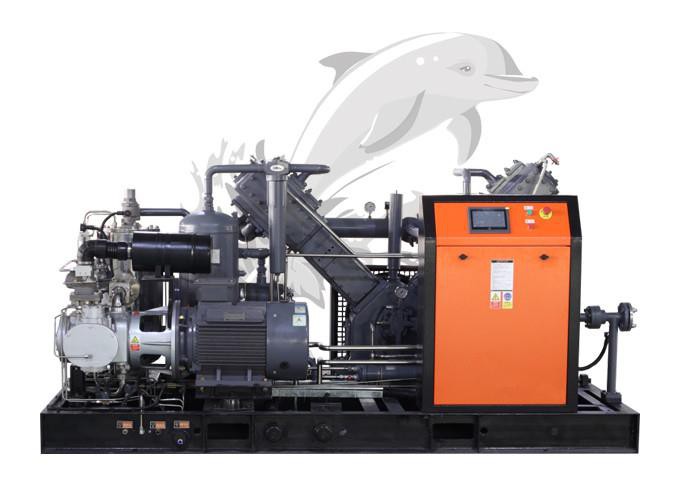
At our company, we offer a wide range of oilless air compressors designed to meet the diverse needs of our customers. Our Oil-less Booster Compressor is ideal for applications that require high-pressure air, such as in the automotive and aerospace industries. Our Oil Free Piston Compressors are known for their reliability and efficiency, making them a popular choice for industrial applications. And our 100% Oil Free Compressor is perfect for applications where oil contamination is a major concern, such as in the food and beverage industry.
We understand the importance of frequency in the performance of oilless air compressors, and our experts can help you choose the right model for your specific application. Whether you need a compressor for a small workshop or a large industrial facility, we have the solution for you.
Conclusion
In conclusion, frequency plays a crucial role in the performance of an oilless air compressor. It affects the compression efficiency, air flow and pressure, component wear and tear, noise and vibration levels, and overall lifespan of the compressor. By understanding the impact of frequency on these factors, you can make informed decisions when selecting and operating an oilless air compressor.
If you are in the market for an oilless air compressor or need assistance with your existing compressor, please don't hesitate to contact us. Our team of experts is ready to help you find the right solution for your needs and ensure that your compressor operates at its best.
References
- ASME PTC 9-2004, Performance Test Code on Compressors and Exhausters
- ISO 1217:2012, Rotary-type positive-displacement compressors - Performance acceptance tests
- Compressed Air and Gas Institute (CAGI) Standards