

Hey there! As a supplier of low temperature chillers, I've seen firsthand how crucial it is to control the temperature of these machines accurately. Whether you're using a chiller for industrial processes, food and beverage production, or any other application, precise temperature control can make a huge difference in the quality and efficiency of your operations. In this blog post, I'm going to share some tips and tricks on how to control the temperature of a low temperature chiller accurately.
Understanding the Basics of Low Temperature Chillers
Before we dive into the details of temperature control, let's take a quick look at how low temperature chillers work. At their core, chillers are designed to remove heat from a process or space and transfer it to the environment. They do this by using a refrigeration cycle, which involves four main components: a compressor, a condenser, an expansion valve, and an evaporator.
The compressor is responsible for compressing the refrigerant gas, which increases its temperature and pressure. The hot, high-pressure gas then flows to the condenser, where it releases heat to the environment and condenses into a liquid. The liquid refrigerant then passes through the expansion valve, which reduces its pressure and temperature. Finally, the cold refrigerant enters the evaporator, where it absorbs heat from the process or space being cooled and evaporates back into a gas. This cycle repeats continuously, allowing the chiller to maintain a consistent temperature.
Factors Affecting Temperature Control
Now that we understand how low temperature chillers work, let's take a look at some of the factors that can affect temperature control. These include:

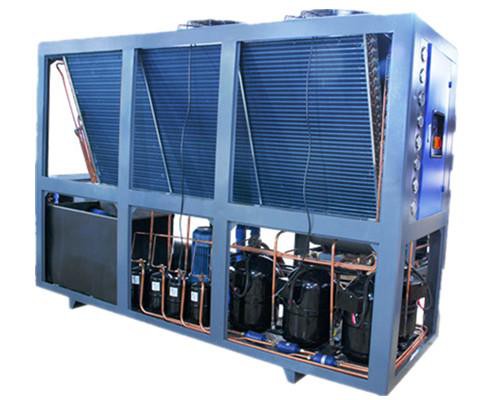
- Ambient Temperature: The temperature of the environment surrounding the chiller can have a significant impact on its performance. If the ambient temperature is too high, the chiller may have to work harder to maintain the desired temperature, which can lead to increased energy consumption and wear and tear on the components.
- Load Requirements: The amount of heat that needs to be removed from the process or space being cooled, also known as the load, can vary depending on the application. If the load is too high, the chiller may not be able to keep up, resulting in inconsistent temperatures.
- Refrigerant Charge: The amount of refrigerant in the chiller's system is critical for proper operation. If the refrigerant charge is too low, the chiller may not be able to cool effectively. On the other hand, if the charge is too high, it can cause the compressor to overwork and potentially fail.
- Component Performance: The performance of the chiller's components, such as the compressor, condenser, and evaporator, can also affect temperature control. If any of these components are not functioning properly, it can lead to temperature fluctuations and reduced efficiency.
Tips for Accurate Temperature Control
Now that we know what factors can affect temperature control, let's take a look at some tips for ensuring accurate temperature control in your low temperature chiller:
- Choose the Right Chiller: The first step in accurate temperature control is choosing the right chiller for your application. Consider factors such as the load requirements, ambient temperature, and required temperature range when selecting a chiller. If you're not sure which chiller is right for you, our team of experts can help you make the right choice.
- Install the Chiller Properly: Proper installation is crucial for the performance of your chiller. Make sure the chiller is installed in a well-ventilated area away from sources of heat and moisture. The refrigerant lines should be properly sized and installed to minimize pressure drops and ensure efficient operation.
- Maintain the Chiller Regularly: Regular maintenance is essential for keeping your chiller in top condition. This includes tasks such as cleaning the condenser and evaporator coils, checking the refrigerant charge, and lubricating the moving parts. By following a regular maintenance schedule, you can prevent problems before they occur and ensure accurate temperature control.
- Use a Temperature Controller: A temperature controller is a device that monitors the temperature of the process or space being cooled and adjusts the chiller's operation accordingly. By using a temperature controller, you can maintain a consistent temperature within a narrow range, even as the load or ambient temperature changes.
- Monitor the Chiller's Performance: Regularly monitoring the chiller's performance can help you identify any issues before they become major problems. Keep an eye on the temperature, pressure, and energy consumption of the chiller, and look for any signs of abnormal operation, such as strange noises or vibrations.
Our Low Temperature Chillers
At our company, we offer a wide range of low temperature chillers to meet the needs of various applications. Our Electric Intelligent Air Cooled Chiller is a popular choice for industrial and commercial applications. It features advanced control technology and energy-efficient components, allowing for precise temperature control and reduced energy consumption.
If you're interested in learning more about the price of our air cooled water chillers, you can visit our Air Cooled Water Chiller Price page. We also offer a Yogurt Process Cooling Chiller specifically designed for the yogurt production industry. This chiller is optimized for the unique cooling requirements of yogurt processing, ensuring high-quality products and efficient operation.
Contact Us for Purchasing
If you're in the market for a low temperature chiller and want to ensure accurate temperature control for your application, we'd love to hear from you. Our team of experts can help you select the right chiller for your needs, provide installation and maintenance services, and offer ongoing support. Contact us today to start the purchasing and negotiation process.
References
- ASHRAE Handbook - Refrigeration. American Society of Heating, Refrigerating and Air-Conditioning Engineers.
- Chiller Systems Operation and Maintenance Guide. Various industry publications.