

Hey there! As a supplier of industrial chiller systems, I often get asked about how long these machines can actually last. It's a super important question, especially when you're making a big investment in a chiller for your industrial operations. So, let's dive right into it and talk about the lifespan of an industrial chiller system.
Factors Affecting the Lifespan
First off, there are several factors that can influence how long an industrial chiller system will last. The quality of the chiller itself is a huge deal. If you go for a high - quality chiller from a reputable manufacturer, it's likely to have a longer lifespan. We make sure that all our chillers, like the Special Chiller Pet Blowing Bottle Machine, are built with top - notch materials and advanced technology. This means they're more durable and better able to withstand the rigors of industrial use.
Another key factor is maintenance. Regular maintenance is like giving your chiller a health check - up. Just like a car needs oil changes and tune - ups, an industrial chiller needs routine inspections, cleaning, and part replacements. If you neglect maintenance, it can lead to all sorts of problems. For example, dirty condenser coils can make the chiller work harder, which not only reduces its efficiency but also shortens its lifespan. On the other hand, if you keep up with maintenance, you can catch small issues before they turn into big, costly problems.
The operating environment also plays a significant role. If the chiller is placed in a harsh environment, such as a place with high humidity, extreme temperatures, or a lot of dust and debris, it's going to face more wear and tear. For instance, in a factory where there's a lot of dust, the air filters in the chiller can get clogged quickly. This restricts airflow and makes the chiller work less efficiently, ultimately affecting its lifespan.
Average Lifespan
So, what's the average lifespan of an industrial chiller system? Well, on average, a well - maintained industrial chiller can last anywhere from 15 to 25 years. However, this is just a ballpark figure. Some chillers might last longer, while others might have a shorter lifespan depending on the factors we just talked about.
Smaller chillers, like our 10 Ton Chiller, which are often used in smaller industrial setups or for specific applications, can have a lifespan on the lower end of the spectrum, around 15 - 20 years. These chillers are usually less complex and have fewer components, but they still need proper care to reach their maximum lifespan.
Larger chillers, such as our 60 Ton Chiller, which are used in big industrial facilities with high cooling demands, can potentially last up to 25 years or more if they're maintained properly. These larger units are built to handle heavy loads, but they also require more extensive maintenance due to their size and complexity.
Signs That Your Chiller Might Need Replacement
Even with the best maintenance, there comes a time when a chiller might need to be replaced. There are a few signs that can indicate it's time for a new chiller.
One sign is a significant decrease in efficiency. If your chiller is using more energy to achieve the same level of cooling as it used to, it could be a sign that it's nearing the end of its lifespan. This can lead to higher energy bills, which can really add up over time.
Another sign is frequent breakdowns. If you find yourself constantly calling for repairs and the cost of repairs is starting to get out of hand, it might be more cost - effective to invest in a new chiller. Continuously patching up an old chiller can be like throwing money down the drain.
Noise is also a tell - tale sign. If your chiller starts making strange noises, such as rattling, grinding, or screeching, it could mean that there are internal components that are worn out or damaged. This is not only annoying but also a sign that the chiller is in trouble.
Extending the Lifespan of Your Chiller
If you want to get the most out of your industrial chiller, there are a few things you can do to extend its lifespan.
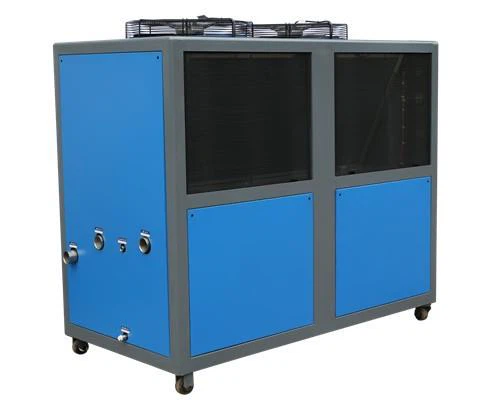

First, as I mentioned earlier, keep up with regular maintenance. Create a maintenance schedule and stick to it. This includes tasks like cleaning the condenser and evaporator coils, checking refrigerant levels, and inspecting electrical components. You can either do this in - house if you have the expertise or hire a professional maintenance service.
Second, invest in high - quality replacement parts. When it's time to replace a part in your chiller, don't skimp on quality. Using cheap, inferior parts can lead to more problems down the road. We offer a wide range of high - quality replacement parts for all our chillers, so you can be sure you're getting the best.
Finally, optimize the operating environment. Make sure the chiller is placed in a clean, well - ventilated area. Keep the area around the chiller free of debris and ensure proper airflow. If possible, control the temperature and humidity in the area where the chiller is located.
Conclusion
In conclusion, the lifespan of an industrial chiller system can vary depending on several factors, including quality, maintenance, and the operating environment. On average, a well - maintained chiller can last 15 to 25 years. By understanding the factors that affect lifespan, recognizing the signs that it's time for a replacement, and taking steps to extend the chiller's life, you can make the most of your investment.
If you're in the market for a new industrial chiller or need help with maintenance and replacement parts, we're here to assist you. Our team of experts can help you choose the right chiller for your specific needs and provide you with all the support you need to keep it running smoothly. Contact us to start a discussion about your chiller requirements and let's find the perfect solution for your industrial cooling needs.
References
- "Industrial Refrigeration Handbook" by Arno Arens
- "HVAC&R Systems and Equipment" by Robert D. Silberstein