

As a supplier of Screw Compressor Chillers, I understand the critical importance of minimizing maintenance time for these complex systems. Reducing maintenance time not only enhances the efficiency of operations but also significantly cuts down on costs, making it a top priority for both suppliers and end - users. In this blog, I'll share some effective strategies and best practices that can help in achieving this goal.
Regular Preventive Maintenance
Preventive maintenance is the cornerstone of reducing overall maintenance time. By scheduling regular check - ups and servicing, potential issues can be identified and addressed before they escalate into major problems. A well - structured preventive maintenance plan should include tasks such as:
- Inspection of Components: Regularly inspecting key components like the compressor, condenser, evaporator, and refrigerant lines can help detect early signs of wear and tear. For example, checking the compressor for abnormal vibrations or unusual noises can indicate potential mechanical problems.
- Lubrication and Fluid Checks: Ensuring that all moving parts are properly lubricated and that refrigerant and oil levels are within the recommended range is crucial. Low refrigerant levels can lead to reduced cooling efficiency and increased compressor stress, while improper lubrication can cause excessive friction and premature component failure.
- Cleaning of Heat Exchangers: Over time, heat exchangers can accumulate dirt, dust, and debris, which can impede heat transfer and reduce the chiller's efficiency. Regular cleaning of the condenser and evaporator coils can prevent this issue and maintain optimal performance.
By investing in preventive maintenance, you can avoid costly and time - consuming breakdowns and keep your Screw Compressor Chiller running smoothly.
Use of High - Quality Components
The quality of components used in a Screw Compressor Chiller has a direct impact on its reliability and maintenance requirements. When selecting components, it's essential to choose those from reputable manufacturers known for their durability and performance. High - quality compressors, motors, valves, and sensors are less likely to fail, reducing the frequency and duration of maintenance activities.

For instance, a high - quality compressor is designed to operate efficiently under various conditions and has a longer service life compared to a lower - quality alternative. Similarly, using reliable sensors can provide accurate data on system parameters, enabling early detection of issues and more precise maintenance.
Employee Training
Well - trained employees are a valuable asset when it comes to reducing maintenance time. Proper training ensures that maintenance personnel have the knowledge and skills required to perform their tasks effectively. Training programs should cover a wide range of topics, including:
- System Operation and Troubleshooting: Employees should be familiar with the normal operation of the Screw Compressor Chiller and be able to identify common problems and their solutions. This includes understanding how to read system gauges, interpret diagnostic codes, and perform basic troubleshooting procedures.
- Safety Procedures: Safety is of utmost importance during maintenance activities. Training should include proper safety protocols for handling refrigerants, electrical components, and other potentially hazardous materials.
- Maintenance Best Practices: Teaching employees the best practices for performing maintenance tasks, such as proper cleaning techniques, lubrication procedures, and component replacement, can help ensure that maintenance is carried out efficiently and effectively.
By investing in employee training, you can improve the quality of maintenance work and reduce the time spent on each maintenance task.

Remote Monitoring and Diagnostic Systems
Remote monitoring and diagnostic systems have revolutionized the way Screw Compressor Chillers are maintained. These systems allow real - time monitoring of the chiller's performance and can alert maintenance personnel to potential issues before they cause a breakdown.
With remote monitoring, technicians can access system data from anywhere, at any time, using a computer or mobile device. This data includes information such as temperature, pressure, flow rate, and energy consumption. By analyzing this data, technicians can identify trends and anomalies that may indicate a problem.
For example, if the system's energy consumption suddenly increases, it could be a sign of a refrigerant leak or a malfunctioning component. Remote monitoring systems can also generate diagnostic reports, which provide detailed information about the chiller's condition and recommend appropriate maintenance actions.
By using remote monitoring and diagnostic systems, maintenance can be scheduled more proactively, reducing the time spent on reactive maintenance and minimizing downtime.
Spare Parts Management
Effective spare parts management is essential for reducing maintenance time. Having the right spare parts on hand when needed can significantly reduce the time required to repair a Screw Compressor Chiller.
- Inventory Management: Maintain an inventory of critical spare parts based on the chiller's make, model, and usage. This includes items such as compressor seals, valves, filters, and electrical components. Regularly review and update the inventory to ensure that it remains accurate and up - to - date.
- Supplier Relationships: Establish strong relationships with reliable spare parts suppliers. This can help ensure quick delivery of parts when needed and may also provide access to technical support and expertise.
- Part Identification and Storage: Properly label and store spare parts to make them easily accessible. Use a well - organized storage system that allows for quick retrieval of parts during maintenance activities.
System Design and Installation
The design and installation of a Screw Compressor Chiller can also have a significant impact on its maintenance requirements. A well - designed system that is properly installed is more likely to operate efficiently and require less maintenance.
- Proper Sizing: Ensure that the chiller is properly sized for the application. An oversized or undersized chiller can lead to increased energy consumption, reduced efficiency, and premature component failure.
- Accessibility: Design the system to allow easy access to all components for maintenance and inspection. This includes providing sufficient space around the chiller, as well as easy - to - reach access panels and service ports.
- Installation Quality: Hire experienced and qualified installers to ensure that the chiller is installed correctly. Improper installation can lead to a variety of problems, including refrigerant leaks, vibration issues, and electrical problems.
Conclusion
Reducing the maintenance time of a Screw Compressor Chiller is a multi - faceted approach that involves preventive maintenance, the use of high - quality components, employee training, remote monitoring, spare parts management, and proper system design and installation. By implementing these strategies, you can improve the reliability and efficiency of your chiller, minimize downtime, and ultimately save time and money.
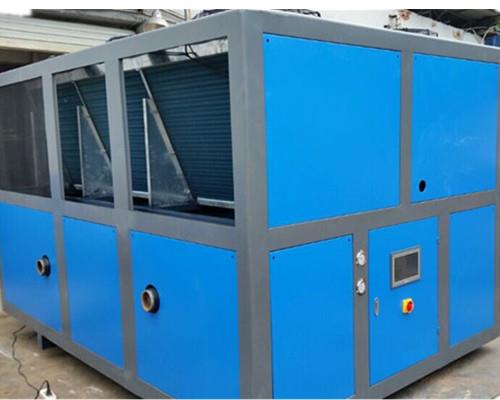
If you are in the market for a Screw Compressor Chiller, we offer a wide range of products, including Air Cooled Screw Water Chiller, 100HP 215KW Industrial Double Screw Compressor Air Cooled Chiller, and Air Cooled Screw Chiller. Our team of experts can provide you with the guidance and support you need to select the right chiller for your application and ensure its long - term performance. Contact us today to start a procurement discussion and take the first step towards a more efficient cooling solution.
References
- ASHRAE Handbook - HVAC Systems and Equipment. American Society of Heating, Refrigerating and Air - Conditioning Engineers.
- Compressor Handbook: Theory and Practice. Author: Ian Hall.
- Refrigeration and Air Conditioning Technology. Author: Eugene Silberstein.