

Humidity control is a critical aspect of many industrial and commercial applications, and low temperature chillers play an important role in this process. As a trusted low temperature chiller supplier, we understand the significance of humidity control and how our chillers can effectively manage it. In this blog, we will delve into the humidity control function of a low temperature chiller and explore its mechanisms and applications.
Understanding Humidity and Its Effects
Before we discuss the humidity control function of a low temperature chiller, it's essential to understand humidity and its impact on various environments. Humidity refers to the amount of water vapor present in the air. High humidity levels can lead to several problems, including discomfort for humans, growth of mold and mildew, corrosion of equipment, and reduced product quality in manufacturing processes. On the other hand, low humidity can cause dry skin, respiratory problems, and damage to sensitive materials such as wood and electronics.
In industrial and commercial settings, maintaining the right humidity level is crucial for optimal performance and productivity. For example, in data centers, high humidity can cause condensation on electronic components, leading to short circuits and equipment failures. In pharmaceutical manufacturing, precise humidity control is essential to ensure the quality and stability of drugs. In food processing, proper humidity control helps prevent spoilage and maintain product freshness.
How Low Temperature Chillers Control Humidity
Low temperature chillers are designed to cool fluids to low temperatures, typically below 0°C. They achieve this by using a refrigeration cycle that involves the compression, condensation, expansion, and evaporation of a refrigerant. While the primary function of a low temperature chiller is to provide cooling, it can also be used to control humidity.
The humidity control process in a low temperature chiller works based on the principle of condensation. When warm, humid air comes into contact with a cold surface, such as the evaporator coil of a chiller, the water vapor in the air condenses into liquid water. This process removes moisture from the air, thereby reducing the humidity level.
Here's a step-by-step breakdown of how a low temperature chiller controls humidity:
- Air intake: The humid air is drawn into the chiller system through an air intake.
- Contact with the evaporator coil: The air passes over the cold evaporator coil, where the water vapor condenses on the coil surface.
- Condensate collection: The condensed water droplets collect at the bottom of the chiller and are drained away.
- Dehumidified air output: The dehumidified air is then recirculated back into the environment or used in a specific process.
Factors Affecting Humidity Control
Several factors can affect the humidity control performance of a low temperature chiller. These include:
- Chiller capacity: The capacity of the chiller determines how much heat it can remove from the air and how much moisture it can condense. A larger chiller capacity is generally required for applications with high humidity levels or large volumes of air to be dehumidified.
- Airflow rate: The airflow rate through the chiller affects the contact time between the air and the evaporator coil. A higher airflow rate may reduce the efficiency of condensation, while a lower airflow rate may increase the risk of frost formation on the coil.
- Evaporator temperature: The temperature of the evaporator coil is a critical factor in humidity control. A lower evaporator temperature will result in more condensation and greater humidity reduction. However, it's important to avoid frost formation on the coil, as this can reduce the chiller's performance and efficiency.
- Ambient conditions: The ambient temperature and humidity levels also affect the chiller's humidity control performance. Higher ambient humidity levels will require more energy and a larger chiller capacity to achieve the desired humidity reduction.
Applications of Low Temperature Chillers for Humidity Control
Low temperature chillers are used in a wide range of applications where humidity control is essential. Some common applications include:
- Data centers: As mentioned earlier, data centers require precise temperature and humidity control to ensure the reliable operation of servers and other electronic equipment. Low temperature chillers can effectively remove the heat generated by the equipment and control the humidity to prevent condensation and equipment failures.
- Pharmaceutical manufacturing: In pharmaceutical manufacturing, strict environmental conditions are required to comply with regulatory standards and ensure the quality of drugs. Low temperature chillers can be used to control the humidity in cleanrooms, laboratories, and manufacturing areas, preventing the growth of microorganisms and maintaining the stability of pharmaceutical products.
- Food processing and storage: Food products are highly sensitive to humidity, and improper humidity control can lead to spoilage, mold growth, and loss of quality. Low temperature chillers are used in food processing plants, cold storage facilities, and supermarkets to maintain the appropriate humidity levels and extend the shelf life of food products.
- HVAC systems: In commercial and industrial buildings, low temperature chillers can be integrated into HVAC systems to provide both cooling and humidity control. This helps create a comfortable and healthy indoor environment for occupants and protects the building's structure and equipment from moisture damage.
- Printing and paper industries: In printing and paper manufacturing, humidity control is crucial to prevent paper shrinkage, warping, and ink smudging. Low temperature chillers can be used to maintain the optimal humidity levels in printing presses, paper storage areas, and finishing processes.
Our Low Temperature Chillers for Humidity Control
As a leading low temperature chiller supplier, we offer a wide range of chillers that are specifically designed for humidity control applications. Our chillers are equipped with advanced features and technologies to ensure efficient and reliable operation, including:
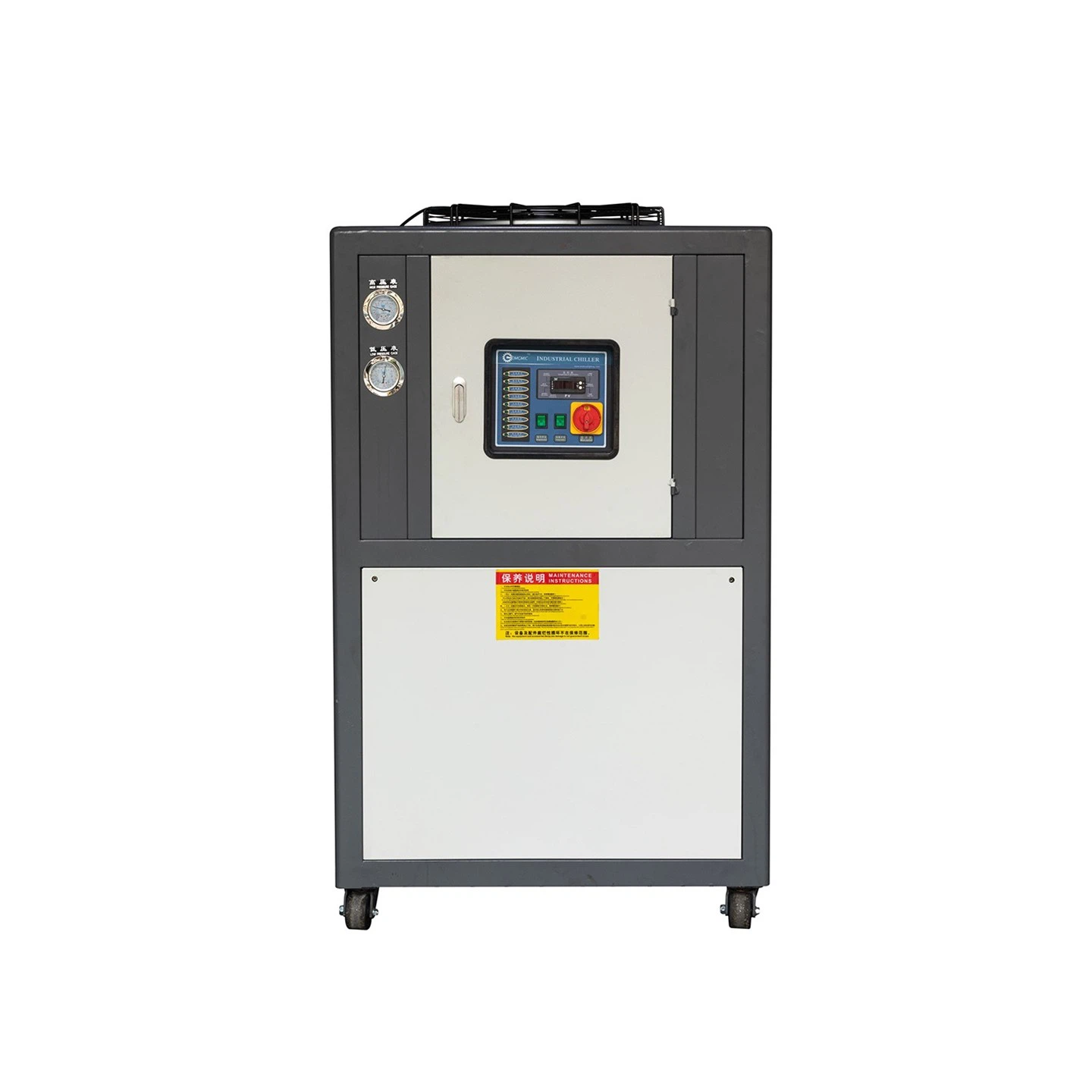

- High-efficiency compressors: Our chillers use high-efficiency compressors that provide superior cooling performance and energy savings.
- Precise temperature and humidity control: Our chiller systems are equipped with advanced control systems that allow for precise temperature and humidity regulation, ensuring optimal environmental conditions for your application.
- Robust construction: Our chillers are built to last, with durable components and a rugged design that can withstand harsh industrial environments.
- Customizable solutions: We understand that every application is unique, and we offer customizable chiller solutions to meet your specific requirements. Whether you need a small-scale chiller for a laboratory or a large industrial chiller for a manufacturing plant, we can provide a solution that fits your needs.
Some of our popular chiller models for humidity control include the Scroll type Air Cooled Chiller, 10 Ton Chiller, and Water Chiller Plant. These chillers are designed to provide reliable and efficient humidity control in a variety of applications.
Contact Us for Humidity Control Solutions
If you're looking for a reliable low temperature chiller for humidity control in your industrial or commercial application, we'd be happy to help. Our team of experts has extensive experience in the chiller industry and can provide you with the best solution for your needs. We offer comprehensive售前咨询, installation, and after-sales service to ensure that your chiller system operates smoothly and efficiently.
Contact us today to discuss your humidity control requirements and learn more about our low temperature chillers. Our dedicated sales team will be glad to assist you and provide you with a detailed quotation. Let's work together to create the ideal environment for your business.
References
- ASHRAE Handbook - HVAC Systems and Equipment. American Society of Heating, Refrigerating and Air-Conditioning Engineers.
- Refrigeration and Air Conditioning Technology, 8th Edition. William C. Whitman, William M. Johnson, John Tomczyk, and Eugene Silberstein.