

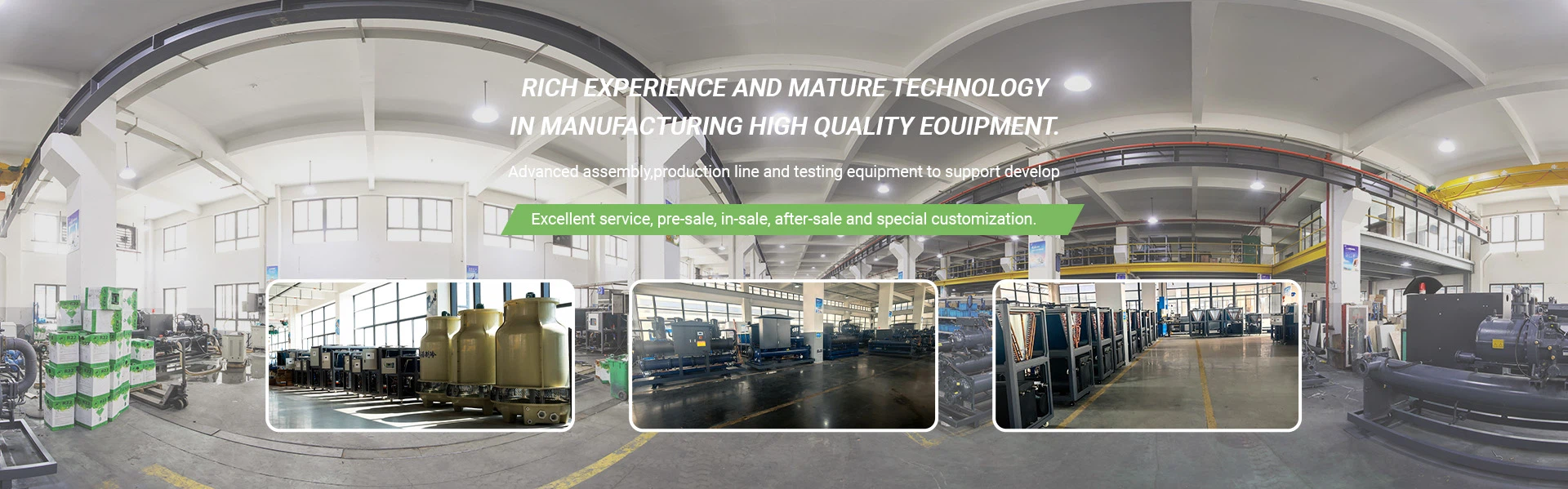
In today's industrial landscape, the efficiency and reliability of cooling systems are crucial. Industrial chillers play a vital role in maintaining optimal temperatures, ensuring smooth operations and high-quality production.
Why Industrial Chillers Matter
Industrial chillers are essential for removing excess heat from various processes. They are used in industries such as manufacturing, food processing, and data centers to maintain precise temperature control. This not only enhances productivity but also ensures product quality and consistency.
Key Types of Chillers
There are two main types of industrial chillers: air-cooled and water-cooled. Air-cooled chillers are suitable for environments with limited water availability and are often used outdoors. Water-cooled chillers, while more efficient, require proper water management and treatment. Choosing the right type depends on specific industrial needs and environmental conditions.
Energy Efficiency and Sustainability
Modern industrial chillers are designed with energy efficiency in mind. They incorporate advanced technologies like variable speed drives to reduce energy consumption and lower operational costs. Additionally, eco-friendly refrigerants are used to minimize environmental impact.
Maintenance for Longevity
Regular maintenance is crucial for the longevity and efficiency of industrial chillers. This includes checking refrigerant levels, inspecting coils, and ensuring all components are in good working order. Proper maintenance not only prevents breakdowns but also ensures peak performance.
Conclusion
Industrial chillers are indispensable for maintaining optimal temperatures in various industrial processes. They enhance efficiency, reduce energy consumption, and contribute to sustainability. By choosing the right chiller and maintaining it properly, businesses can achieve significant cost savings and improve overall operations.